High-Stakes Diplomacy: U.S. Envoy Meets Putin Amidst Ukraine’s Demand for Sovereignty
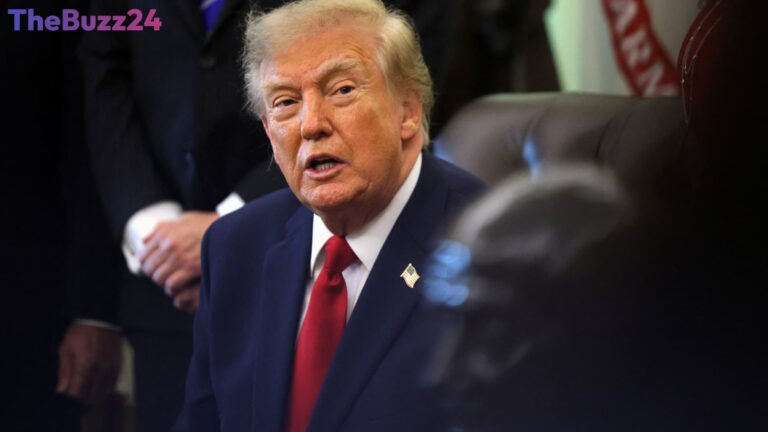
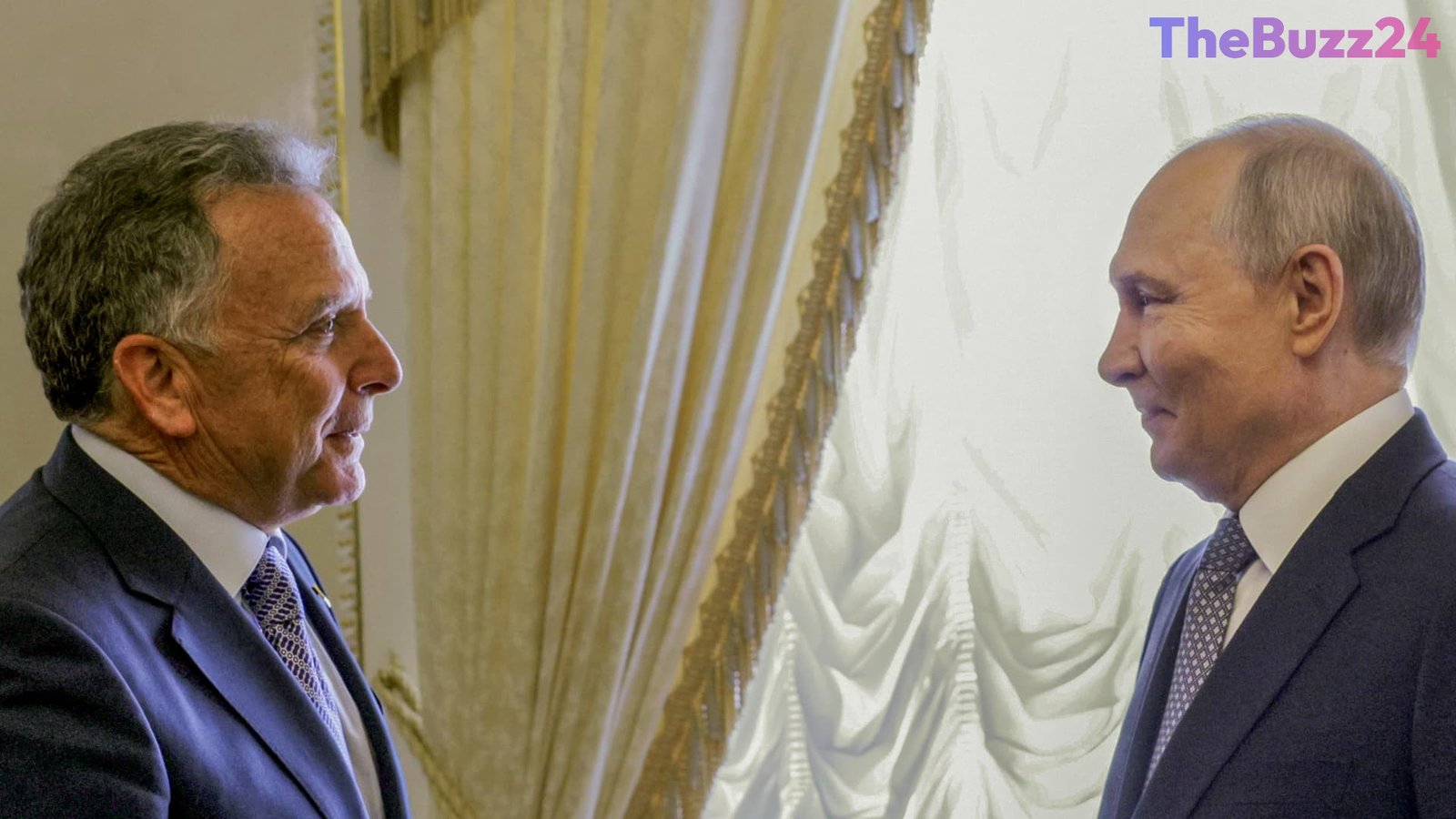
U.S. special envoy Steve Witkoff has arrived in St. Petersburg for high-level discussions with Russian President Vladimir Putin, signaling a potential shift in the diplomatic landscape regarding the ongoing conflict in Ukraine. During the opening of these talks, Witkoff publicly praised Putin, referring to him as a “humanitarian,” a gesture that coincided with the Russian government’s decision to release Stephen Hubbard, an American citizen previously held on charges of acting as a mercenary.
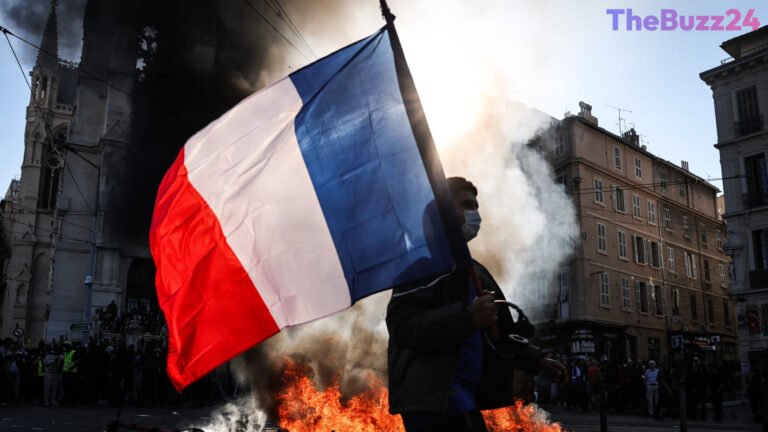
Despite these diplomatic overtures, the path to a resolution remains fraught with tension. Ukrainian President Volodymyr Zelenskyy has maintained a firm stance, asserting that no agreements regarding the future of his nation can be reached without the direct participation of Kyiv. Speaking from Oslo, Zelenskyy emphasized the principle of “nothing about Ukraine without Ukraine,” rejecting any trilateral negotiations between the U.S., China, and Russia that might exclude Ukrainian leadership.
The diplomatic maneuvering occurs against a backdrop of strained relations between Washington and Kyiv. While the U.S. continues to explore security guarantees and potential frameworks for peace, Ukraine remains wary of concessions that could undermine its territorial integrity. Meanwhile, the conflict on the ground persists, with recent Russian strikes on energy infrastructure complicating the fragile ceasefire efforts previously discussed by international stakeholders.
Key Takeaways
- U.S. envoy Steve Witkoff met with Vladimir Putin in St. Petersburg to discuss ending the war in Ukraine.
- Russia released American citizen Stephen Hubbard as a gesture of goodwill during the start of the diplomatic talks.
- President Zelenskyy insists that Ukraine must have a seat at the negotiating table for any future peace agreements.
Editor’s Analysis & Impact
The current diplomatic engagement represents a critical juncture in the nearly five-year conflict. By engaging directly with the Kremlin, the U.S. is attempting to leverage personal diplomacy to secure a breakthrough, yet this approach risks alienating the Ukrainian government, which fears being sidelined in its own peace process. The release of Stephen Hubbard serves as a tactical move by Moscow to demonstrate a willingness to negotiate, though it does not necessarily signal a shift in Russia’s broader strategic objectives. Moving forward, the primary challenge will be reconciling the U.S. desire for a swift resolution with Ukraine’s demand for long-term security guarantees. If the U.S. proceeds with a deal that excludes Kyiv, it could lead to a significant fracture in the Western alliance and undermine the legitimacy of any resulting peace framework.
Frequently Asked Questions
Q: Why is President Zelenskyy insisting on being part of the negotiations?
A: Zelenskyy maintains that any agreement concerning Ukraine's future, sovereignty, and security must involve the Ukrainian government to ensure the country's interests are protected and that no decisions are made without their consent.
Q: What was the significance of the release of Stephen Hubbard?
A: The release of Stephen Hubbard, an American citizen previously detained by Russia, is viewed as a diplomatic gesture intended to facilitate the opening of negotiations between the U.S. and Russia.
AI Disclosure: This article is based on verified data and official reports. Our Team and AI have cross-referenced every financial detail with primary sources to ensure total accuracy.
More from this Category