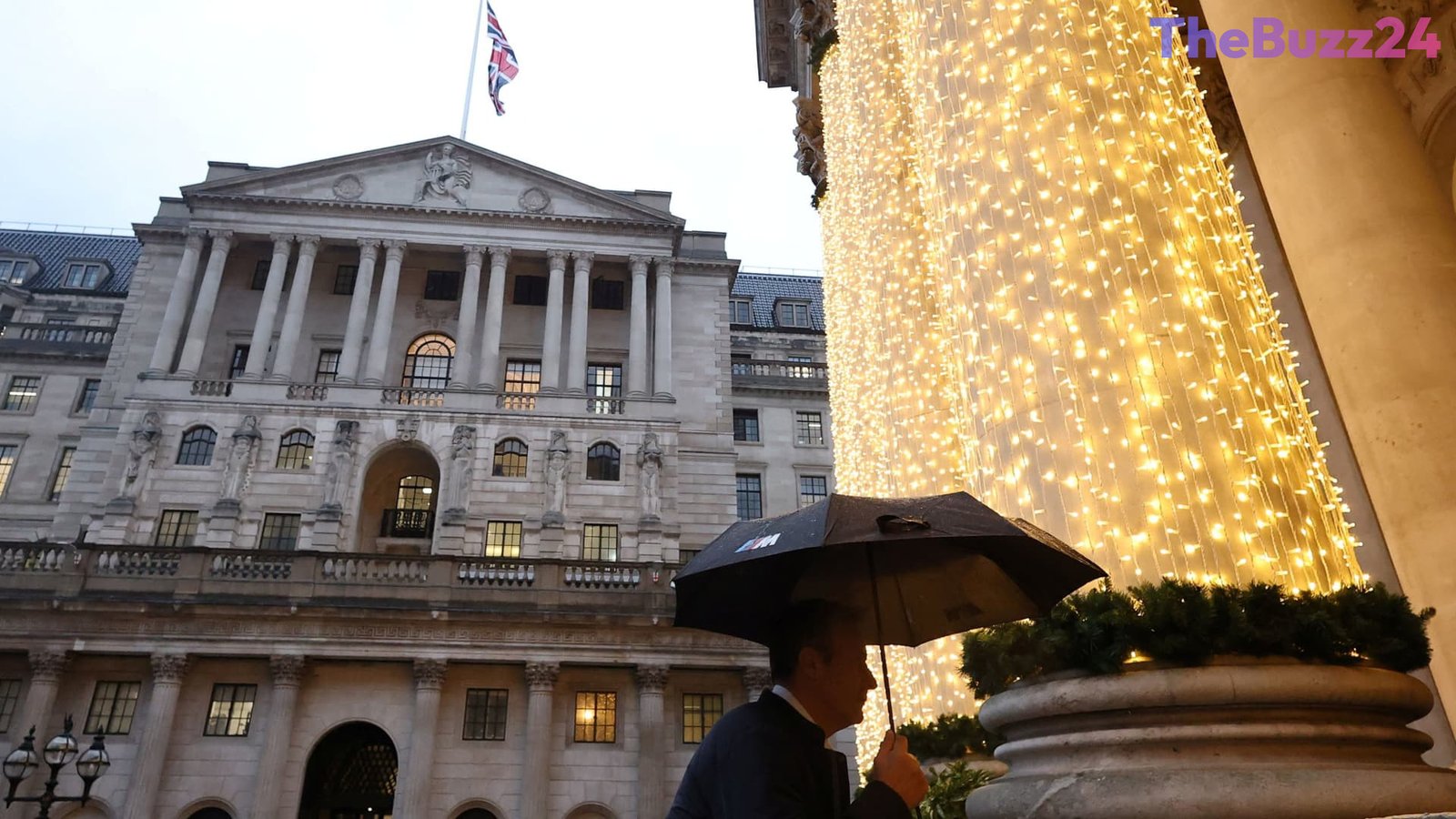
Surging Fuel Prices Push UK Inflation to 3.5%, Solidifying Expectations of Approaching Rate Hikes
Consumer prices in the United Kingdom accelerated faster than anticipated in September, with annual inflation climbing to 3.5% from 3.1% the previous month. The sharp uptick, which pushed inflation to its highest level in nearly a year, was predominantly propelled by escalating vehicle fuel costs amid international energy volatility. With Britain functioning as a net energy importer, ongoing geopolitical instability and disrupted trade routes continue to expose the domestic economy to external commodity spikes, driving motor fuel costs up by 29.8% year-over-year.
The persistent upward trajectory of consumer costs has reignited concerns that broader price pressures are becoming entrenched. Beyond headline energy spikes, accelerating services inflation suggests that secondary inflationary pressures are settling into the wider economy. In response to these lingering price increases, financial markets have all but solidified forecasts for imminent monetary tightening, pricing in a near-certain 25-basis-point interest rate increase by the Bank of England to 4% next month, with strong expectations for an identical hike in December.
The inflation rebound also presents a formidable challenge for the government ahead of the impending Autumn Budget. Chancellor of the Exchequer John Healey faces a delicate balancing act as he prepares his fiscal statement, caught between obligations to uphold stringent fiscal discipline and public demands for relief against escalating living expenses. The policy dilemma is further compounded by recent figures showing the national debt surpassing £3 trillion for the first time, significantly elevating the state’s debt-servicing burdens amid sluggish economic expansion.
Following the release of the inflation data, financial markets remained relatively steady, with the British pound holding stable against both the euro and the U.S. dollar, while government bond yields showed muted movement. However, fiscal planners and monetary policymakers now face mounting pressure to align their strategies, ensuring that upcoming budgetary interventions do not inadvertently exacerbate persistent inflationary headwinds.
Key Takeaways
- UK annual inflation climbed to 3.5% in September, fueled by a 29.8% surge in motor fuel costs.
- Financial markets are pricing in a 98% likelihood of a 25-basis-point rate hike by the Bank of England in November, followed potentially by another in December.
- Surging borrowing costs and national debt exceeding £3 trillion intensify pressure on Chancellor John Healey ahead of the Autumn Budget.
Editor’s Analysis & Impact
The latest inflation figures signal an abrupt halt to the disinflationary momentum observed earlier this year, creating an acute policy headache for both Threadneedle Street and the Treasury. While the immediate catalyst is external energy volatility, the acceleration in core services inflation underscores that price pressures are permeating wage settlements and broader domestic commerce. For the Bank of England, delaying rate hikes risks unanchoring inflation expectations, yet tightening borrowing conditions directly threatens a stagnant economy. Simultaneously, Chancellor John Healey’s fiscal headroom has evaporated under the weight of £3 trillion in national debt and elevated gilt yields. The upcoming Autumn Budget must strike an exceptionally fine balance: fiscal stimulus aimed at easing household distress could trigger further monetary tightening, while severe austerity risks tipping the economy into contraction.
Frequently Asked Questions
Q: What primary factor drove the rise in UK inflation in September?
A: The primary driver was a sharp increase in motor fuel prices, which surged 29.8% year-over-year due to global energy market tensions and supply disruptions.
Q: How is the Bank of England expected to respond to the inflation data?
A: Financial markets have priced in a 98% probability that the Bank of England will raise its benchmark interest rate by 25 basis points to 4.0% in November, with a strong likelihood of an additional hike before the end of the year.
Q: Why does higher inflation complicate the upcoming Autumn Budget?
A: Higher inflation increases debt-servicing costs on the UK's £3 trillion national debt and restricts the Chancellor's fiscal headroom, making it harder to provide household relief without stoking further price increases.
AI Disclosure: This article is based on verified data and official reports. Our Team and AI have cross-referenced every financial detail with primary sources to ensure total accuracy.
More from this Category