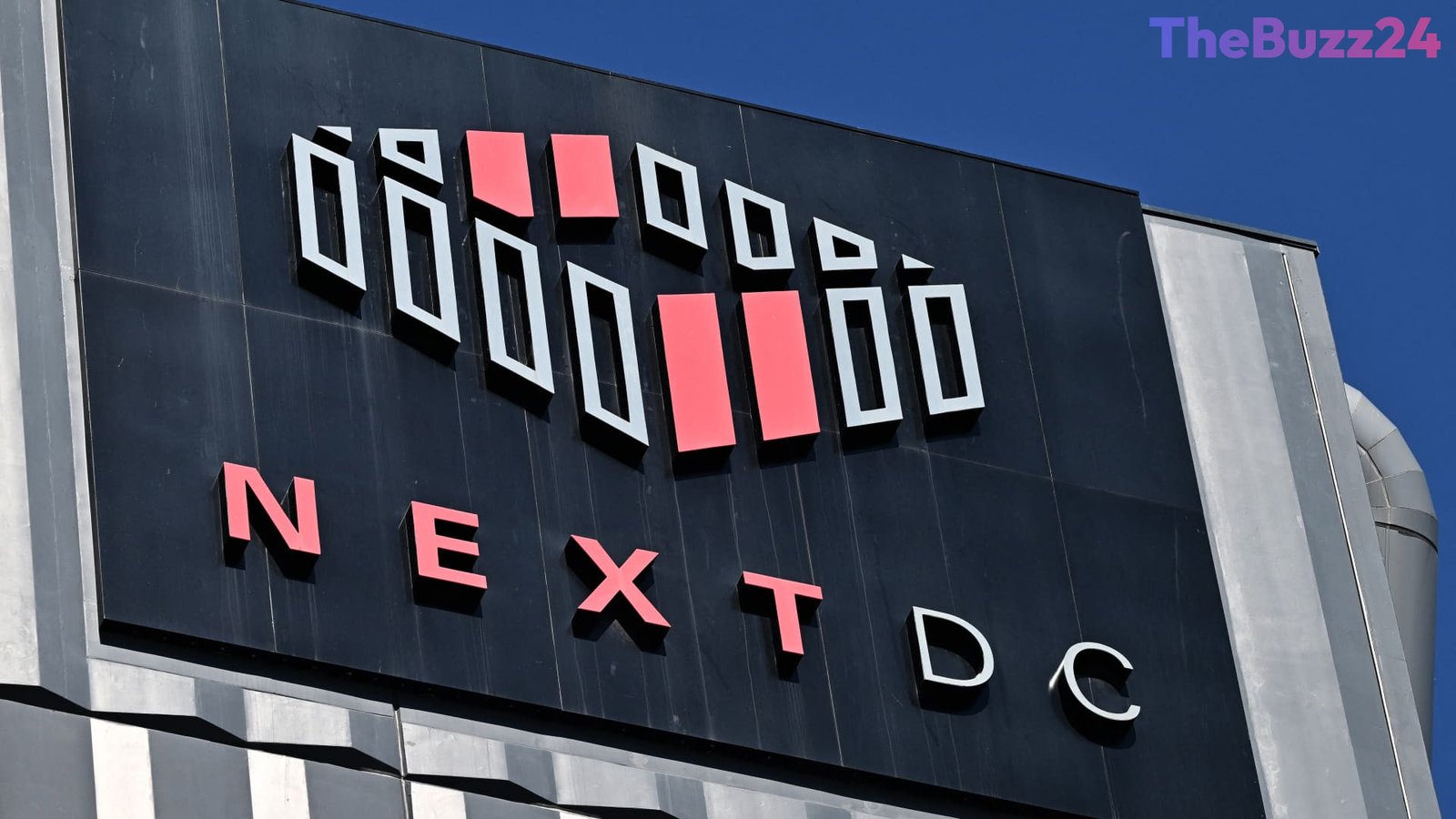
NextDC Shares Plummet 40% Following Melbourne Power Supply Delays and Slashed Forecasts
Australian data center giant NextDC experienced a dramatic 39.5% collapse in its share price following a severe downward revision of its fiscal year 2027 revenue and earnings projections. The massive sell-off was triggered by persistent power supply bottlenecks at the company’s M3 facility in Melbourne, which have been severely hampered by local community pushback and regulatory hurdles.
In light of these infrastructure setbacks, NextDC adjusted its fiscal 2027 revenue forecast down to a range of $475 million to $500 million Australian dollars, a sharp decline from its previous target of up to A$640 million. Furthermore, the firm downgraded its underlying EBITDA expectations to between A$245 million and A$265 million. The root cause of the power delivery paralysis stems from suspended infrastructure upgrades by electricity distributor Jemena, driven by safety concerns, restricted site access, and a lack of local council consent.
Financial analysts warn that the fallout could stretch far beyond 2027, given prolonged timelines for transformer upgrades and delayed expansion approvals. The situation highlights a broader global challenge for the digital infrastructure sector, as surging energy demands for artificial intelligence clash with rising local environmental and community opposition. In response, the Australian government is moving to introduce national investment standards to balance technological expansion with community interests.
Key Takeaways
- NextDC shares plummeted nearly 40% after slashing its fiscal 2027 revenue and earnings guidance.
- Delays at the M3 Melbourne data center are caused by community opposition and suspended power infrastructure upgrades.
- Financial analysts warn that the negative earnings impact could persist well beyond 2027 due to approval bottlenecks.
Editor’s Analysis & Impact
The sharp drop in NextDC’s valuation underscores a critical friction point in the current digital infrastructure boom: the physical and political limits of rapid scaling. As artificial intelligence and cloud computing drive unprecedented demand for data centers, operators are increasingly colliding with local communities concerned about grid capacity, environmental impact, and aesthetic disruptions. This incident serves as a bellwether for the industry, signaling that future capital expenditures must heavily factor in social license to operate. Governments stepping in to create national standards may introduce regulatory compliance costs, but they will ultimately be necessary to provide long-term certainty for investors and developers alike.
Frequently Asked Questions
Q: Why did NextDC shares plunge?
A: NextDC shares plunged nearly 40% after the company significantly reduced its fiscal year 2027 revenue and earnings forecasts due to power supply delays at its Melbourne facility.
Q: What is causing the power supply delays at the Melbourne data center?
A: The delays are primarily caused by community opposition, safety concerns, restricted site access, and a lack of local council consent which forced electricity distributor Jemena to suspend infrastructure upgrades.
Q: How is the Australian government responding to data center opposition?
A: The Australian government is working to finalize national investment standards to ensure data center and AI infrastructure investments align with the national interest while addressing local community concerns.
AI Disclosure: This article is based on verified data and official reports. Our Team and AI have cross-referenced every financial detail with primary sources to ensure total accuracy.
More from this Category