Nato Border Security Under Scrutiny After Russian Drone Strike in Romania
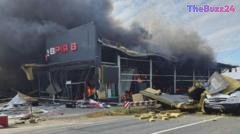
A residential apartment complex in the Romanian town of Galați was struck by a Russian-made drone on Friday, marking a significant and alarming escalation in the ongoing conflict. The impact, which occurred on the 10th floor of the building, resulted in the first confirmed civilian injuries on Romanian soil. Emergency responders were forced to evacuate approximately 70 residents, while two individuals required medical treatment for injuries sustained during the blast. Defense experts identified the projectile as a Geran 2, commonly known as a Shahed 136, which detonated its full payload upon impact.
Romanian authorities have characterized the incident as the most severe security breach since the onset of the war in Ukraine. Preliminary investigations suggest that the drone was likely intercepted by Ukrainian air defenses, causing the device to veer off its intended trajectory and cross the border into Romanian territory. In a decisive diplomatic move, the Romanian government has ordered the expulsion of the Russian consul in Constanța and the immediate closure of the consulate. Simultaneously, the Ministry of Defense is urgently requesting the transfer of advanced anti-drone technology from Nato allies to bolster the nation’s border defenses.
Nato leadership has issued a formal condemnation of the strike, labeling it a dangerous and unacceptable escalation. While the alliance has reaffirmed its commitment to the collective defense of its member states, the incident underscores the complex tactical challenges of securing the Danube border region. Current operational constraints prevent Romanian forces from engaging targets within Ukrainian airspace, leaving the border susceptible to stray munitions. With nearly 50 instances of drone debris discovered in Romania since the conflict began, this latest strike has intensified pressure on the alliance to develop more robust strategies for mitigating the risks of spillover.
Key Takeaways
- A Russian Shahed-136 drone hit a residential building in Galați, Romania, causing civilian injuries and forcing mass evacuations.
- Romania responded by expelling the Russian consul in Constanța and closing the consulate, while seeking advanced anti-drone support from Nato.
- The incident highlights the persistent vulnerability of Nato's Eastern flank to stray munitions resulting from the conflict in Ukraine.
Editor’s Analysis & Impact
The strike in Galați represents a critical inflection point for Nato’s Eastern flank. While the drone appears to have been diverted by Ukrainian defensive fire rather than being a deliberate attack on a Nato member, the resulting civilian casualties force the alliance into a difficult strategic position. The incident exposes the limitations of current border security protocols, which are hampered by legal and operational constraints regarding cross-border engagement. Moving forward, we can expect increased pressure on Nato to deploy more sophisticated electronic warfare and kinetic intercept systems along the Danube. Furthermore, this event will likely accelerate diplomatic friction between Russia and the European Union, potentially leading to a broader closure of Russian diplomatic outposts in the region as security concerns continue to outweigh traditional diplomatic norms.
Frequently Asked Questions
Q: Why did the Russian drone hit a building in Romania?
A: Preliminary investigations suggest the drone was targeted by Ukrainian air defenses, which caused it to malfunction or deviate from its original flight path, leading it to cross the border into Romania.
Q: What actions has Romania taken in response to the strike?
A: Romania has ordered the expulsion of the Russian consul in Constanța, closed the consulate, and requested urgent assistance from Nato allies to provide advanced anti-drone technology to secure its borders.
AI Disclosure: This article is based on verified data and official reports. Our Team and AI have cross-referenced every financial detail with primary sources to ensure total accuracy.
More from this Category