Ukraine’s AI-Driven Drone Strategy Disrupts Russian Supply Chains
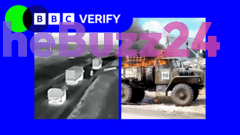
The Ukrainian military has significantly ramped up its efforts to dismantle Russian logistics by deploying advanced AI-enabled drone technology. By focusing on supply convoys carrying fuel, ammunition, and food, Kyiv is systematically degrading the operational capacity of Russian forces within occupied territories. Recent field reports and visual evidence indicate a marked increase in successful strikes along vital supply routes connecting Russia to southern Ukraine and the Crimean Peninsula, signaling a major evolution in tactical warfare.
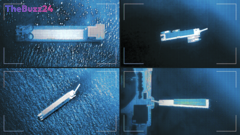
At the heart of this campaign is the Hornet drone system, which utilizes sophisticated artificial intelligence trained on extensive battlefield data. These autonomous munitions can travel over 100 miles to reach their targets, where they independently identify and engage military assets. The effectiveness of these drones is bolstered by the Starlink satellite network, which provides a resilient communication link that remains largely immune to Russian electronic warfare and jamming attempts, allowing for precision strikes at previously unreachable distances.
These persistent attacks have forced Russian commanders to drastically alter their logistical movements, often resorting to smaller convoy sizes and less efficient, secondary dirt roads to avoid detection. This disruption is placing significant strain on front-line units that rely on consistent, large-scale resource deliveries to maintain offensive momentum. By pushing Russian operating bases further from the front lines, Ukraine is effectively complicating the enemy’s ability to sustain long-term combat operations.
While this technological edge currently provides a tactical advantage, military experts caution that the window for exploiting these autonomous systems may be temporary. As the conflict continues to evolve, it is anticipated that Russia will eventually develop effective countermeasures to neutralize these AI-driven threats. For the time being, however, the integration of autonomous munitions has provided Ukraine with a vital tool to disrupt enemy command and control infrastructure and challenge the current battlefield stalemate.
Key Takeaways
- Ukraine is utilizing AI-powered Hornet drones to autonomously target and destroy Russian supply lines deep behind enemy lines.
- The integration of Starlink satellite connectivity allows Ukrainian operators to maintain control of drones despite Russian electronic jamming efforts.
- Russian forces are being forced to adapt by using smaller, less efficient supply routes, which is hindering their ability to sustain long-term offensive operations.
Editor’s Analysis & Impact
The deployment of AI-integrated drone systems marks a pivotal shift in modern asymmetric warfare. By effectively weaponizing autonomous navigation and target identification, Ukraine is demonstrating how low-cost, high-tech solutions can neutralize traditional, resource-heavy military logistics. This ‘logistics lockdown’ strategy forces the adversary into a defensive posture, increasing the cost of operations and creating a bottleneck in the supply chain that is difficult to secure. From a broader industry perspective, this conflict is serving as a real-world laboratory for autonomous defense technology, likely accelerating global investment in AI-driven munitions and electronic warfare resilience. However, the rapid pace of innovation in this space suggests a ‘cat-and-mouse’ cycle where defensive countermeasures will soon catch up, necessitating constant iteration and software updates to maintain the current tactical advantage.
Frequently Asked Questions
Q: What is the primary role of the Hornet drone system in the conflict?
A: The Hornet drone system uses AI to autonomously navigate long distances and identify military assets, specifically targeting Russian supply convoys to disrupt logistics.
Q: How does Starlink contribute to the success of these drone operations?
A: Starlink provides a robust and resilient satellite communication network that allows Ukrainian operators to maintain control of their drones even when Russian forces attempt to use electronic warfare to jam signals.
AI Disclosure: This article is based on verified data and official reports. Our Team and AI have cross-referenced every financial detail with primary sources to ensure total accuracy.
More from this Category