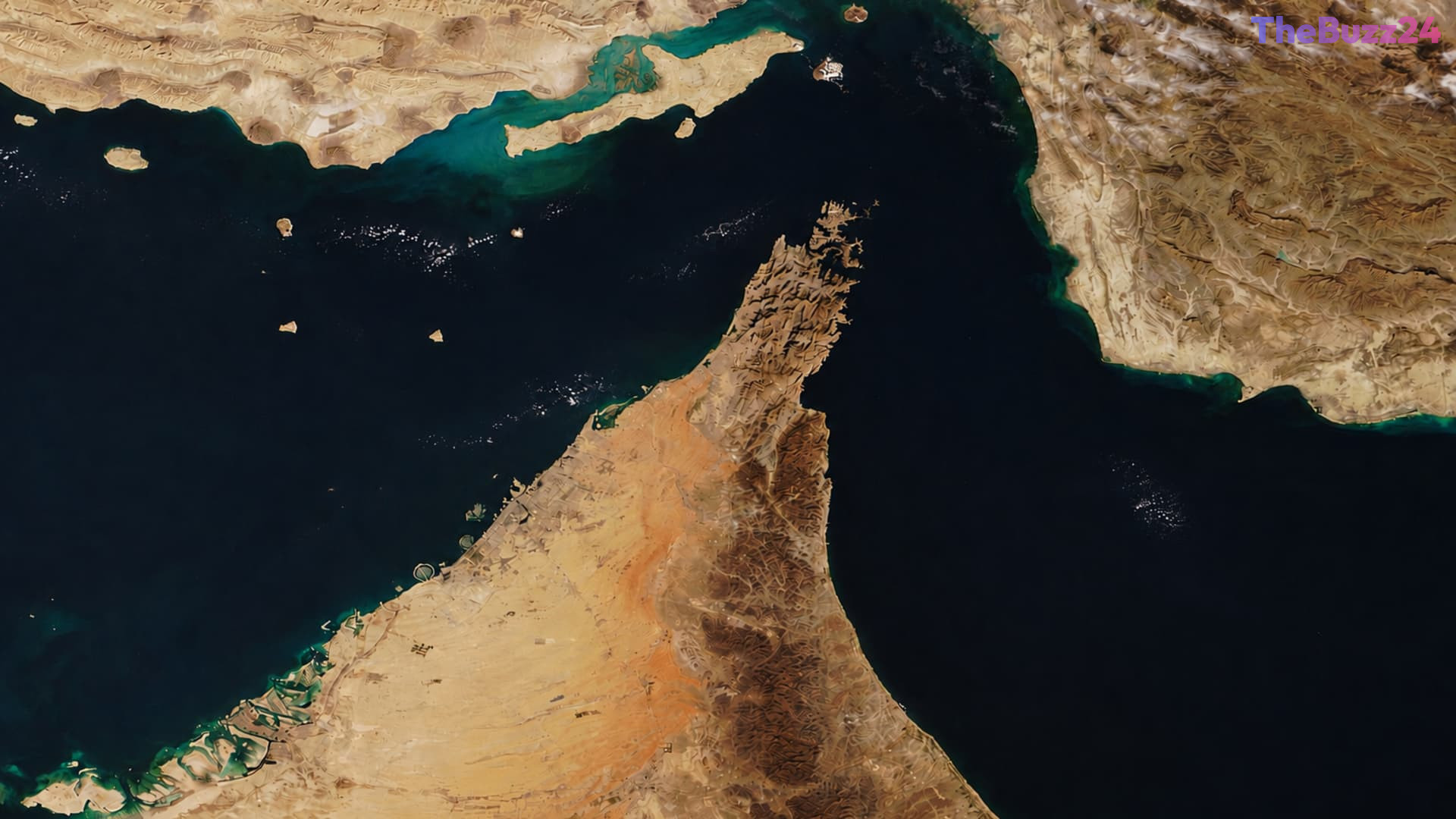
The Strategic Decline of the Strait of Hormuz: A New Era for Global Energy Transit
The global energy landscape is undergoing a fundamental transformation as the Strait of Hormuz, historically the world’s most critical maritime chokepoint, faces a permanent decline in transit reliability. Despite potential diplomatic shifts, industry analysts suggest that the era of high-volume, unfettered transit through this region has likely concluded. Shipowners are increasingly prioritizing risk mitigation over traditional routes, driven by fears that geopolitical volatility could leave vessels vulnerable to regional interference.
This cautious approach is largely influenced by the precedent of the Red Sea crisis, where prolonged militant activity permanently altered shipping patterns. The Strait of Hormuz is now viewed through a similar lens of instability. Western commercial operators, in particular, are grappling with the complexities of navigating a waterway under significant regional influence, which complicates international compliance and raises the cost of insurance and operations.
Looking ahead, the maritime industry anticipates a bifurcated future for the strait, where access is increasingly determined by political alignment rather than the principle of freedom of navigation. While vessels with specific regional ties may continue to transit with relative ease, Western operators are expected to maintain a reduced presence. This shift is compelling energy-producing nations in the Persian Gulf to fast-track the development of alternative infrastructure, such as expanded pipeline networks, designed to bypass the strait entirely.
Ultimately, the strategic importance of the Strait of Hormuz is being systematically downgraded as global energy markets prioritize supply chain security. The reliance on this single maritime artery is being replaced by a diversified strategy, ensuring that while energy exports will persist, the logistical pathways they follow will be fundamentally and permanently altered.
Key Takeaways
- The Strait of Hormuz is experiencing a permanent shift in traffic patterns due to heightened geopolitical risk and the fear of vessel interference.
- Western shipping operators are increasingly avoiding the region, leading to a bifurcated transit model based on political alignment.
- Persian Gulf energy producers are accelerating the construction of alternative pipeline infrastructure to bypass the strait and ensure export security.
Editor’s Analysis & Impact
The decline of the Strait of Hormuz as a primary energy artery represents a significant pivot in global logistics. For decades, the strait was considered an immutable fixture of the global economy; however, the current trend toward ‘de-risking’ suggests that energy security is now being decoupled from traditional maritime routes. This shift will likely lead to higher long-term operational costs for energy importers as they move away from low-cost tanker transit toward more expensive, fixed-infrastructure alternatives like pipelines. Furthermore, the bifurcation of maritime access could exacerbate geopolitical tensions, as nations are forced to align their shipping interests with regional power brokers. Investors should monitor the capital expenditure of Gulf nations on pipeline projects, as these will serve as the new benchmarks for energy export stability in the coming decade.
Frequently Asked Questions
Q: Why are shipowners avoiding the Strait of Hormuz?
A: Shipowners are avoiding the strait due to the high risk of geopolitical volatility, potential vessel seizure, and the operational complexities of navigating a region under significant political influence.
Q: What are the alternatives to shipping oil through the Strait of Hormuz?
A: Energy-producing nations are increasingly investing in expanded pipeline networks that allow oil and gas to be transported overland to alternative ports, effectively bypassing the maritime chokepoint.
AI Disclosure: This article is based on verified data and official reports. Our Team and AI have cross-referenced every financial detail with primary sources to ensure total accuracy.
More from this Category