Oklahoma Voters to Decide on Landmark Minimum Wage Hike in June Ballot Initiative
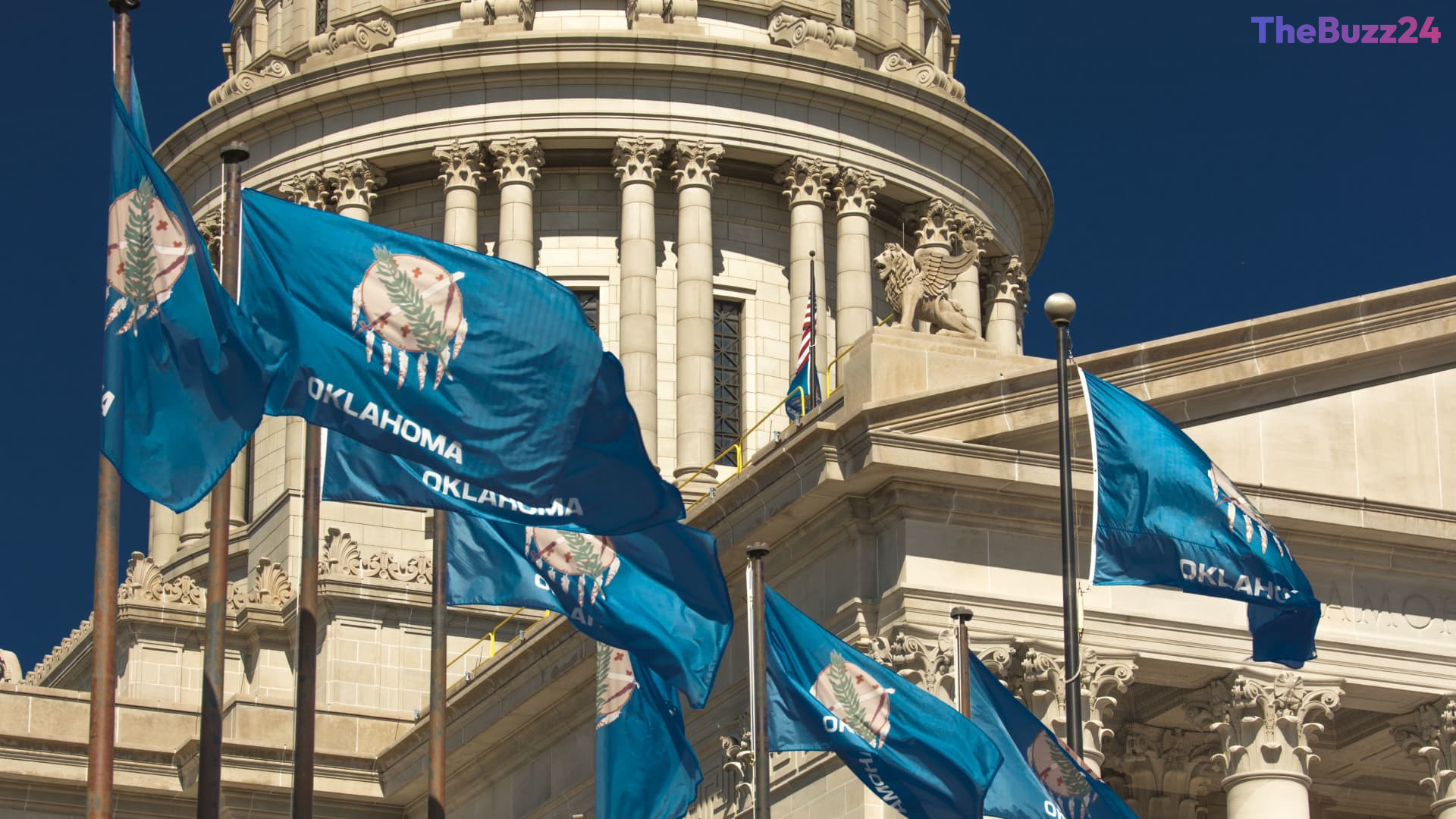
Oklahoma is set to become the latest battleground for labor policy as voters prepare to head to the polls on June 16 for a special election. At the center of the debate is State Question 832, a ballot measure that proposes a significant increase to the state’s minimum wage. If approved, the initiative would raise the current rate of $7.25—which has remained stagnant since 2009—to $12 per hour by 2027, eventually reaching $15 by 2029, with subsequent annual adjustments tied to the cost of living.
The proposal has ignited a fierce debate between grassroots advocates and a coalition of business interests. Supporters argue that the increase is a necessary step to address affordability and improve the livelihoods of over 350,000 workers across the state. Conversely, opponents, including various chambers of commerce and agricultural groups, contend that the mandate would place undue financial strain on small businesses and family farms, potentially leading to job losses, reduced hours, and higher consumer prices.
Political leaders, including Governor Kevin Stitt, have voiced strong opposition to the measure, citing concerns that mandatory, escalating wage hikes could trigger inflationary pressures and harm the state’s economic competitiveness. The outcome of the vote is being closely watched by political analysts, who view it as a potential bellwether for how voters across the political spectrum are reconciling their economic anxieties with traditional party platforms in the current climate.
While historical data shows that minimum wage increases have enjoyed broad support in both red and blue states, recent trends suggest a potential shift in voter sentiment. The failure of a similar high-profile wage initiative in California in 2024 has introduced uncertainty into the Oklahoma race. As the election approaches, both sides are intensifying their efforts to mobilize voters, with turnout expected to be the decisive factor in determining whether Oklahoma joins the growing list of states that have moved to raise their wage floors.
Key Takeaways
- Oklahoma voters will decide on State Question 832 on June 16, which proposes raising the state minimum wage to $15 by 2029.
- The measure faces opposition from business groups and Governor Kevin Stitt, who argue it will hurt small businesses and increase inflation.
- The vote is considered a critical test of whether voter support for minimum wage hikes remains strong despite recent economic concerns and the failure of similar measures in other states.
Editor’s Analysis & Impact
The Oklahoma minimum wage vote represents a significant intersection of grassroots labor activism and conservative economic policy. The outcome will provide vital data on whether the ‘inflation fatigue’ observed in recent national elections is beginning to override the historically popular support for wage increases. If the measure passes, it could signal a shift in the political landscape of the American South, potentially emboldening labor movements in other states with stagnant wage floors. However, the risk of legislative interference—as seen in Missouri—remains high. Even if the ballot initiative succeeds, the long-term implementation may face legal and legislative hurdles, suggesting that the battle for wage reform in conservative-leaning states will likely remain a protracted, multi-year struggle rather than a single-event victory.
Frequently Asked Questions
Q: What is the current minimum wage in Oklahoma?
A: The current minimum wage in Oklahoma is $7.25 per hour, which is equal to the federal minimum wage.
Q: What happens if the ballot measure passes?
A: If passed, the minimum wage would increase in stages: $12 in 2027, $13.50 in 2028, and $15 in 2029, with annual cost-of-living adjustments thereafter.
Q: Can the state legislature overturn the result if voters approve it?
A: While the ballot initiative is a direct vote by the people, legal experts note that state legislatures in similar regions have previously moved to limit or repeal parts of such measures after they were passed.
AI Disclosure: This article is based on verified data and official reports. Our Team and AI have cross-referenced every financial detail with primary sources to ensure total accuracy.
More from this Category