President Trump Signals Patience in Ongoing Negotiations with Iran
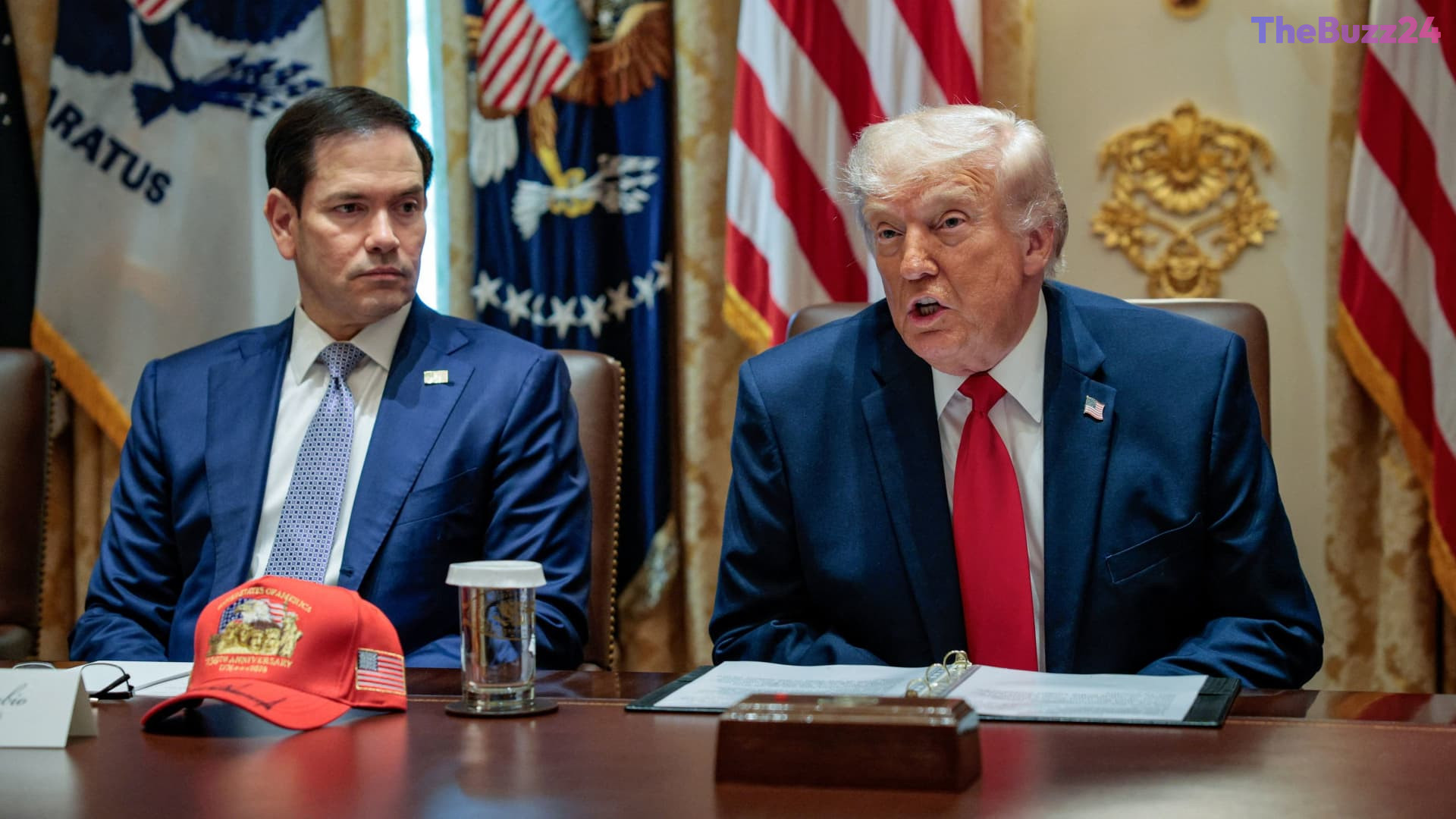
The diplomatic standoff between the United States and Iran continues as the conflict enters its fourth month. Despite ongoing efforts by negotiators to secure a lasting peace, President Donald Trump stated over the weekend that he is under no immediate pressure to finalize an agreement, emphasizing that a rushed deal would likely be a poor one. The administration remains focused on securing long-term concessions rather than settling for a quick resolution.
Central to the negotiations are two primary U.S. demands: a permanent prohibition on Iran acquiring or developing nuclear weapons and the immediate reopening of the Strait of Hormuz. The closure of this vital maritime chokepoint has significantly disrupted global energy markets, contributing to a sharp rise in inflation and elevated gasoline prices across the United States. The President has indicated that he is personally reviewing the terms of the proposed deal, specifically requesting stricter language regarding nuclear material handling and maritime access.
While the current ceasefire remains fragile, the administration has maintained a firm stance regarding potential outcomes. President Trump warned that if diplomatic channels fail to yield the desired results, the United States is prepared to resume military operations to resolve the conflict. As the White House continues to deliberate on the final terms, the global economy remains in a state of uncertainty, awaiting a resolution that could stabilize energy supplies and de-escalate regional tensions.
Key Takeaways
- President Trump has stated he is in no hurry to finalize a peace deal with Iran, prioritizing the quality of the agreement over speed.
- The U.S. is demanding that Iran permanently renounce nuclear weapon capabilities and reopen the Strait of Hormuz to global shipping.
- The administration has warned that if negotiations fail to meet these requirements, the U.S. is prepared to pursue further military action.
Editor’s Analysis & Impact
The ongoing impasse between the U.S. and Iran represents a significant geopolitical risk factor for the global economy. By linking the reopening of the Strait of Hormuz—a critical artery for global oil transit—to the nuclear non-proliferation agreement, the administration has effectively tied energy market stability to high-stakes national security objectives. The President’s ‘no hurry’ rhetoric suggests a strategy of maximum pressure, intended to force concessions while managing domestic expectations regarding inflation and gas prices. However, this approach carries the inherent risk of prolonging market volatility. Should the ceasefire collapse, the resulting military escalation would likely trigger a severe supply shock in energy markets, potentially pushing inflation to new highs and complicating the global economic outlook for the remainder of the year.
Frequently Asked Questions
Q: Why is the Strait of Hormuz significant to the current conflict?
A: The Strait of Hormuz is a vital maritime chokepoint that carries approximately one-fifth of the world's oil supply. Its closure has caused significant disruptions to global energy markets and contributed to rising fuel prices.
Q: What are the primary conditions the U.S. is seeking in a deal with Iran?
A: The U.S. is demanding that Iran agree to never acquire or develop nuclear weapons and that they immediately reopen the Strait of Hormuz to international shipping.
AI Disclosure: This article is based on verified data and official reports. Our Team and AI have cross-referenced every financial detail with primary sources to ensure total accuracy.
More from this Category