Hope Emerges as Ebola Survivors Discharged in DR Congo
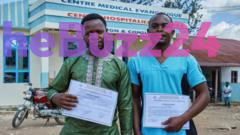
Five individuals, including four healthcare workers, have been officially discharged from a hospital in Bunia, the capital of Ituri province, following their successful recovery from Ebola. This milestone serves as a rare moment of optimism in a region currently grappling with an outbreak that has resulted in over 1,000 suspected cases and at least 246 fatalities. The survivors, who were honored during a ceremony, represent a testament to the efficacy of early medical intervention and dedicated care.
Health officials emphasize that these recoveries highlight the critical importance of early detection, contact tracing, and community cooperation. Despite the severity of the current crisis—the 17th outbreak in the nation’s history—the successful treatment of these patients demonstrates that the virus is not an automatic death sentence if medical assistance is sought promptly. The recovery of these frontline workers, who are often at the highest risk of exposure, has provided a significant morale boost to the medical teams operating in the region.
However, the path to containment remains fraught with challenges. Authorities continue to struggle with community resistance, particularly regarding strict burial protocols that conflict with local traditions. Furthermore, the outbreak has faced complications due to regional conflict and public fear. While schools and markets in some areas remain operational, the international community is closely monitoring the situation as suspected cases have been investigated as far away as Brazil, and public protests have emerged in Kenya over proposed quarantine facilities.
Key Takeaways
- Five patients, including four nurses, have successfully recovered from Ebola in the Ituri province of the DR Congo.
- Early detection and professional medical care are identified as the primary factors in surviving the virus.
- Containment efforts face ongoing hurdles, including community distrust of burial regulations and the logistical difficulties of operating in conflict-prone areas.
Editor’s Analysis & Impact
The recent recoveries in the DR Congo underscore a critical turning point in the management of the current Ebola outbreak. While the death toll remains high, the successful treatment of these patients validates the current medical protocols and the necessity of frontline healthcare workers. The broader implication here is the urgent need for a shift in strategy: moving from purely clinical intervention to a more nuanced approach that integrates community engagement and cultural sensitivity. Without addressing the friction between public health mandates—such as safe burial practices—and local customs, the virus will continue to find pockets of transmission. Future outlooks remain cautious; until a widely available, approved vaccine is deployed and community trust is fully solidified, the risk of regional spread remains a significant threat to global health security.
Frequently Asked Questions
Q: Why is the current Ebola outbreak in the DR Congo particularly difficult to manage?
A: The outbreak is complicated by a combination of regional conflict, community resistance to medical protocols like safe burials, and the fact that the specific strain involved, the Bundibugyo species, currently lacks an approved vaccine.
Q: What role do local communities play in stopping the spread of Ebola?
A: Local communities are considered the heart of the solution. Success depends on their trust in medical staff, their willingness to seek early care, and their adherence to hygiene and safety guidelines, such as allowing for safe and dignified burials.
AI Disclosure: This article is based on verified data and official reports. Our Team and AI have cross-referenced every financial detail with primary sources to ensure total accuracy.
More from this Category