Mette Frederiksen Secures Third Term as Danish Prime Minister Following Lengthy Coalition Talks
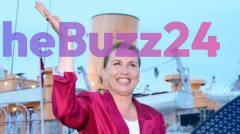
After months of political uncertainty following an inconclusive general election, Mette Frederiksen, leader of the Social Democratic Party, has successfully negotiated the formation of a new centre-left coalition government. The agreement concludes a 69-day period of political limbo, during which the nation lacked a formal administration. Frederiksen is set to present her new cabinet to King Frederik X at the Amalienborg palace this Wednesday.
The path to this third term has been historically difficult. In the March election, the Social Democrats secured only 38 seats, their weakest electoral performance since 1903. With no single party reaching the 90-seat threshold required for a majority, Frederiksen was forced to build a diverse coalition comprising the Socialist People’s Party, the centre-left Radikale Venstre, and the centrist Moderates.
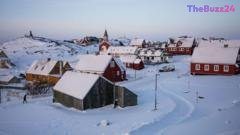
As the new government takes office, it faces a complex agenda that balances international tensions with pressing domestic issues. Among the most prominent challenges is navigating diplomatic relations with the United States regarding the status of Greenland, which has become a focal point of strategic interest for the Trump administration. Domestically, the administration must address rising costs of living, economic stability, and public concerns regarding environmental policy, specifically the impact of industrial agriculture on water quality and climate goals.
Key Takeaways
- Mette Frederiksen will lead a new centre-left coalition government after 69 days of negotiations following a fragmented election result.
- The coalition includes the Social Democrats, Socialist People's Party, Radikale Venstre, and the Moderates.
- Key priorities for the new administration include managing diplomatic relations over Greenland and addressing domestic economic and environmental concerns.
Editor’s Analysis & Impact
The formation of this coalition marks a significant shift in Danish politics, reflecting a broader European trend of fragmented parliaments and the decline of traditional dominant parties. By bridging the gap between centrist and left-leaning factions, Frederiksen has managed to maintain power despite her party’s historic electoral weakness. However, the stability of this government remains precarious; the diverse ideological makeup of the coalition suggests that future policy decisions—particularly regarding environmental regulations and agricultural reform—will be subject to intense internal debate. Internationally, the government’s ability to maintain a firm stance on Greenland while managing the strategic demands of the United States will be a defining test of Frederiksen’s diplomatic acumen. The administration’s success will ultimately depend on its ability to deliver on welfare and cost-of-living promises to a skeptical electorate.
Frequently Asked Questions
Q: Why did it take so long to form a government in Denmark?
A: The March general election resulted in a highly fragmented parliament where no single party or traditional bloc secured the 90 seats necessary for a majority, necessitating complex and lengthy negotiations between multiple parties.
Q: What are the primary domestic issues the new government must address?
A: The government is expected to focus on the rising cost of living, the state of the national economy, welfare concerns, and environmental issues, including water quality and the climate impact of the agricultural sector.
AI Disclosure: This article is based on verified data and official reports. Our Team and AI have cross-referenced every financial detail with primary sources to ensure total accuracy.
More from this Category