Stalemate in the Gulf: The High-Stakes Diplomacy Between Washington and Tehran
The ongoing military standoff between the United States and Iran remains in a precarious state of suspended animation. Despite a ceasefire established on April 8, both nations continue to engage in a tense game of posturing, with the U.S. maintaining a significant naval and air presence in the region while Iran utilizes the lull to reorganize its defensive capabilities. The risk of miscalculation remains high, as both sides navigate a complex diplomatic landscape mediated by international partners including Qatar and Pakistan.
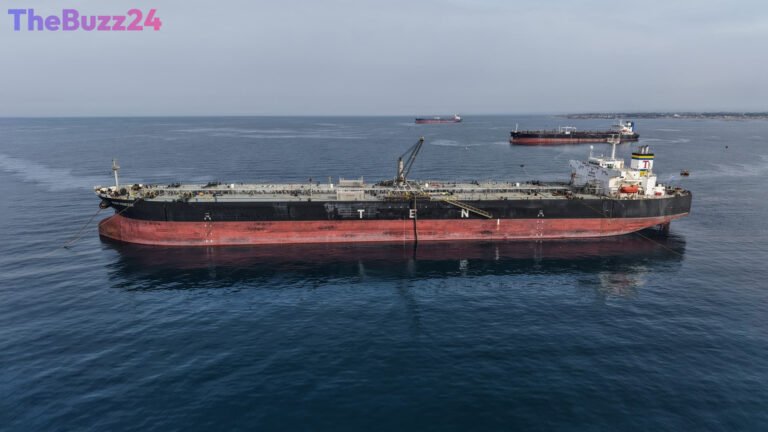
Central to the current impasse is the closure of the Strait of Hormuz, a critical global maritime artery that has remained largely shuttered since late February. The economic fallout is significant, with approximately 20% of global oil and gas supplies disrupted. While the U.S. has reduced its direct reliance on Gulf energy, the globalized nature of the market ensures that American consumers remain vulnerable to price volatility. Iran has signaled that any movement toward reopening the waterway will be contingent upon substantial concessions, including sanctions relief and the release of frozen assets—demands that currently clash with the political objectives of the Trump administration.
Adding to the complexity is the role of Israel, whose ongoing military operations in Lebanon have complicated the path toward a broader U.S.-Iran agreement. Prime Minister Benjamin Netanyahu has expressed skepticism toward any deal with Tehran, viewing it as fundamentally detrimental to regional security. Meanwhile, the Iranian leadership continues to support its proxies in the region, insisting that any long-term resolution must address the broader conflict involving Israeli forces. As the U.S. faces domestic pressure to avoid further escalation, the administration finds itself in a difficult position: needing to secure a diplomatic victory without appearing to mirror the policies of previous administrations.
Regional powers, including Saudi Arabia and the United Arab Emirates, are increasingly wary of the long-term economic damage inflicted by the conflict. While these nations have taken varying approaches—ranging from deepening security ties with Israel to attempting independent diplomatic signaling to Tehran—there is a collective desire to restore the Gulf as a stable hub for global investment. As the current stalemate persists, the fundamental miscalculation by U.S. and Israeli leadership regarding the resilience of the Iranian regime continues to shape the geopolitical reality of the Middle East.
Key Takeaways
- The closure of the Strait of Hormuz continues to disrupt 20% of global energy supplies, creating significant economic pressure.
- Iran is demanding sanctions relief and asset unfreezing as a prerequisite for serious negotiations and the reopening of vital shipping lanes.
- The U.S. and Israel face a diplomatic deadlock, as their initial strategy of rapid regime destabilization failed to account for the Iranian government's resilience.
Editor’s Analysis & Impact
The current U.S.-Iran conflict represents a significant failure in strategic intelligence and diplomatic forecasting. By underestimating the Iranian regime’s capacity to absorb military strikes and maintain internal cohesion, the U.S. and Israel have inadvertently created a protracted crisis that threatens global economic stability. The market implications are severe; energy prices remain tethered to the volatility of the Gulf, and the ‘stability premium’ for foreign investment in the region has evaporated. Moving forward, the administration faces a ‘lose-lose’ scenario: either accept a deal that mirrors the political optics of the 2015 nuclear agreement—which would alienate domestic hawks—or continue a policy of containment that risks further economic damage and regional instability. The long-term outlook suggests a shift toward a multi-polar regional security architecture as Gulf states increasingly seek to hedge their bets between Western alliances and local realities.
Frequently Asked Questions
Q: Why is the closure of the Strait of Hormuz significant?
A: The Strait of Hormuz is a vital maritime chokepoint for global energy. Its closure has cut off roughly 20% of the world's oil and gas supply, leading to increased global energy prices and economic instability.
Q: What is the primary obstacle to a U.S.-Iran deal?
A: The primary obstacles include Iran's demand for sanctions relief, the U.S. administration's desire to avoid political comparisons to previous nuclear deals, and the complicating factor of Israel's ongoing military operations in Lebanon.
AI Disclosure: This article is based on verified data and official reports. Our Team and AI have cross-referenced every financial detail with primary sources to ensure total accuracy.
More from this Category