Uber Deploys Fleet of Sensor-Heavy Hyundai EVs to Build Ultimate Self-Driving Dataset
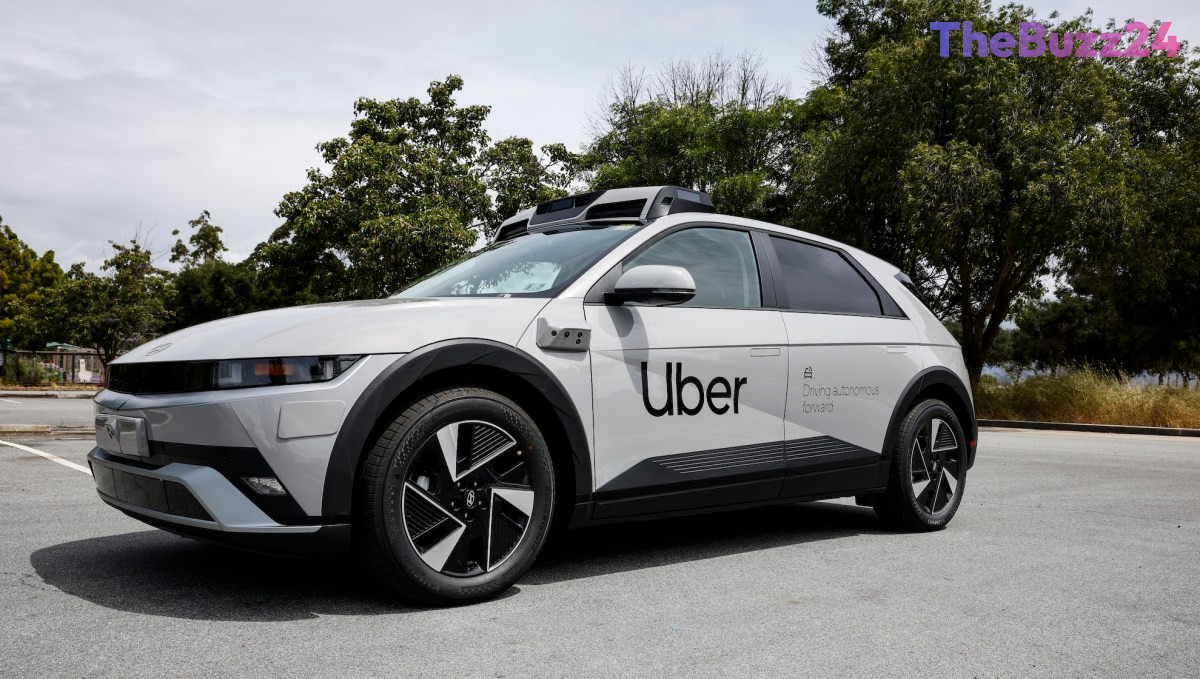
Uber is stepping up its autonomous vehicle ambitions with the unveiling of a specialized prototype vehicle designed to gather massive amounts of real-world driving data. In collaboration with Roush Performance, the ride-hailing giant has retrofitted Hyundai Ioniq 5 electric vehicles with an extensive array of sensors. This initiative marks a significant milestone, representing the first time Uber has assembled its own vehicles since selling its self-driving division to Aurora in 2020.
The company plans to deploy 500 of these high-tech electric vehicles globally by the end of the year, with the first 50 expected to hit the streets by this summer. Each vehicle is equipped with 14 cameras, eight solid-state lidar sensors, and nine radar units, all powered by Nvidia’s Dual Drive Thor autonomous vehicle computer. This sophisticated setup is projected to generate approximately two million miles of high-fidelity data every month, which will be shared with Uber’s network of over 30 autonomous vehicle partners, including Waymo, Avride, and WeRide.
This massive data-collection effort is being spearheaded by Uber’s newly established AV Labs division. Rather than just passing along raw sensor feeds, AV Labs aims to synthesize the information into a highly detailed, 360-degree, time-synchronized stitched view. This will create one of the most geographically diverse training datasets in the world, helping self-driving software developers refine their algorithms across various urban environments.
Uber is already leveraging data from thousands of fleet partner vehicles equipped with outward-facing cameras, as well as hundreds of Lucid Air vehicles operating across the United States and Europe. Combined with the new Hyundai fleet, this data pipeline feeds into Uber’s broader strategy. Alongside AV Labs, the company recently launched Uber Autonomous Solutions to manage the daily operations of robotaxis, autonomous delivery trucks, and sidewalk robots, positioning itself as the central infrastructure provider for the self-driving industry.
Key Takeaways
- Uber is deploying 500 custom-retrofitted Hyundai Ioniq 5 EVs globally this year to collect 2 million miles of driving data per month.
- The vehicles feature an advanced sensor suite including 14 cameras, 8 lidar sensors, and 9 radars, powered by Nvidia's Dual Drive Thor computer.
- The collected data will be processed by Uber's AV Labs to create a highly diverse, 360-degree training dataset for over 30 autonomous vehicle partners.
Editor’s Analysis & Impact
Uber’s shift from developing its own self-driving hardware to becoming the ultimate data and operational partner for the autonomous vehicle (AV) industry is a masterclass in strategic pivoting. By leveraging its massive global footprint to collect high-fidelity, geographically diverse driving data, Uber is positioning itself as an indispensable backbone for AV developers like Waymo and WeRide. Training self-driving algorithms requires astronomical amounts of real-world data, which is incredibly expensive to gather. Uber’s fleet-based approach democratizes access to this data for its partners while securing its role as the primary platform for future robotaxi deployment. This asset-light, data-heavy strategy minimizes Uber’s capital expenditure on hardware development while maximizing its long-term influence over the autonomous transportation ecosystem.
Frequently Asked Questions
Q: Why is Uber collecting this driving data?
A: Uber is collecting high-fidelity driving data to build a geographically diverse training dataset. This dataset will help its autonomous vehicle partners train and improve their self-driving software.
Q: What technology is installed on these data-collection vehicles?
A: The modified Hyundai Ioniq 5 vehicles are equipped with 14 cameras, eight solid-state lidar sensors, and nine radars, all integrated using Nvidia's Dual Drive Thor autonomous vehicle computer.
Q: Does Uber still build its own self-driving cars?
A: No, Uber sold its dedicated autonomous vehicle development division to Aurora in 2020. Instead of building its own self-driving cars, Uber now partners with existing AV companies, providing them with data, fleet management, and dispatch services.
AI Disclosure: This article is based on verified data and official reports. Our Team and AI have cross-referenced every financial detail with primary sources to ensure total accuracy.
More from this Category