Europe Reels as Wildfires Force Mass Evacuations and Threaten Cities
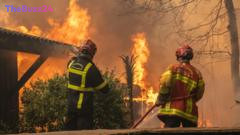
Wildfires are raging across southern Europe, forcing hundreds of thousands of residents and tourists to flee their homes and holiday destinations. In France, firefighters are battling intense blazes in the country’s southwest, with strong winds fanning flames perilously close to Bordeaux. Over 200,000 people have been evacuated from the Gironde and Landes regions alone, prompting the mobilization of military resources to aid in containment efforts. The French government has described the situation as unprecedented, with numerous fires erupting across the nation.
Spain is also grappling with severe wildfires, particularly around Madrid and Ávila, where a state of emergency has been declared. While a shift in weather conditions has provided some relief near the capital, the overall situation remains critical, with nearly 60,000 people evacuated from affected areas. Tragically, one fatality has been confirmed in València, where a man was found deceased by firefighters. The scale of the devastation is significant, with vast tracts of land already burned this year, exceeding the decade-long average.
Across the continent, the impact of these fires is far-reaching. The final stage of the Tour de France has been shortened to allow security forces to be redeployed to wildfire-affected areas. The European Union has activated its civil protection mechanism, sending firefighting aircraft and personnel from various member states to assist France and Spain. Officials warn that the damage from wildfires this year could surpass previous records, with forecasters predicting further heatwaves and an increased likelihood of more outbreaks as the summer progresses.
Key Takeaways
- Over 250,000 people have been evacuated in France and Spain due to widespread wildfires.
- Military and international aid, including resources from the EU, have been mobilized to combat the blazes.
- Officials warn that this year's wildfire season could set new records for land burned, with more heatwaves expected.
Editor’s Analysis & Impact
The escalating wildfire crisis in Europe underscores the growing threat posed by climate change and extreme weather events. The sheer scale of evacuations and the strain on emergency services highlight the vulnerability of communities in fire-prone regions. The economic impact, from tourism disruption to agricultural losses and firefighting costs, will be substantial. This situation demands a multi-faceted approach, including enhanced preventative measures, improved resource allocation for emergency response, and a global commitment to mitigating climate change to avert future catastrophes.
Frequently Asked Questions
Q: What is causing these wildfires?
A: While specific ignition sources vary, the current widespread and intense wildfires are largely attributed to a combination of prolonged heatwaves, high temperatures, and dry conditions, exacerbated by strong winds. Climate change is considered a significant contributing factor to the increased frequency and severity of such events.
Q: What international aid is being provided?
A: The European Union has activated its civil protection mechanism, coordinating the deployment of firefighting aircraft, including water bombers, and ground crews from various member states to assist France and Spain. This international cooperation aims to bolster local firefighting capacities.
Q: What is the long-term outlook for wildfires in Europe?
A: Experts and officials warn that the wildfire season has started earlier and is likely to be more severe this year, potentially setting new records for land burned. With further heatwaves predicted, the risk of more outbreaks remains high throughout the summer and beyond, necessitating ongoing vigilance and preparedness.
AI Disclosure: This article is based on verified data and official reports. Our Team and AI have cross-referenced every financial detail with primary sources to ensure total accuracy.
More from this Category