Final Sprint: Brazil’s Presidential Contenders Make Last-Minute Appeals Ahead of Runoff
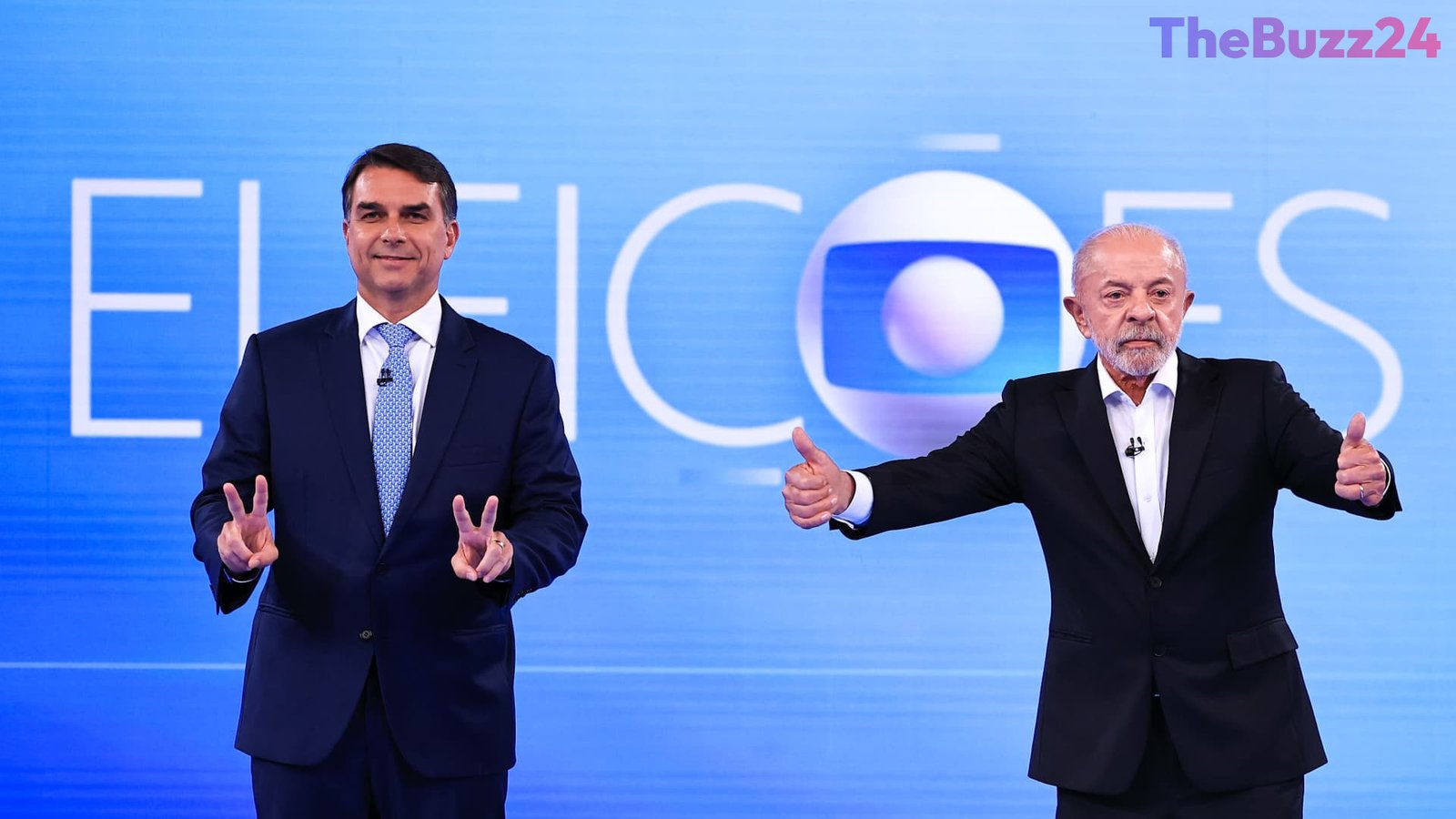
Brazil’s high-stakes presidential race reached its climax on Saturday as incumbent President Luiz Inacio Lula da Silva and right-wing Senator Flavio Bolsonaro executed final, high-energy campaigns across key regions. With opinion polls indicating a virtually tied race following a surprisingly robust showing by the challenger in the initial round, both camps poured immense resources into mobilizing their base and persuading crucial undecided voters just hours before the ballot boxes opened.
Lula, aiming to secure another term, centered his final push in dense urban centers. The incumbent launched his day with a massive gathering along the famous Copacabana beach in Rio de Janeiro, surrounded by thousands of enthusiastic followers. Emphasizing a theme of national progress, Lula expressed confidence in his electoral prospects. Later in the day, he traveled to Sao Paulo for another major demonstration on Paulista Avenue, a historic backdrop for political gatherings in the nation’s largest metropolis. For many attendees, the event carried a distinct sense of historic gravity, reflecting on the veteran leader’s enduring political career.
Meanwhile, Bolsonaro concentrated his strategic efforts on the critical battleground state of Minas Gerais, participating in a prominent motorcycle caravan through Belo Horizonte. Historically viewed as a bellwether for presidential bids, Minas Gerais holds immense sway, and the senator previously secured a notable lead there during the first round. Bolsonaro also engaged supporters through digital platforms and staged a subsequent march in his home territory of Rio de Janeiro, rallying his constituents to define the country’s trajectory for decades to come.
The frantic Saturday events followed a tense, final televised debate where both contenders clashed over economic pressures, inflation, and personal records. As Sunday’s runoff vote approaches, the nation stands deeply divided, awaiting the outcome of an electoral battle that promises to shape South America’s largest economy for years.
Key Takeaways
- Incumbent President Luiz Inacio Lula da Silva and Senator Flavio Bolsonaro held final campaign rallies across Brazil ahead of the Sunday runoff.
- Polls indicated a dead heat between the two candidates following a strong first-round performance by the challenger.
- Lula campaigned heavily in Rio de Janeiro and Sao Paulo, while Bolsonaro focused on the crucial battleground state of Minas Gerais.
Editor’s Analysis & Impact
The 2025 Brazilian presidential runoff represents a defining moment for Latin America’s largest economy and its democratic institutions. The razor-thin margins in the polls underscore a deeply polarized electorate caught between the incumbent’s vision of social continuity and the challenger’s conservative reform platform. Beyond the immediate political ramifications, the election outcome will heavily influence Brazil’s fiscal policies, environmental stances, and its geopolitical positioning on the global stage. Investors and international partners are closely monitoring the results, as the incoming administration will need to navigate complex economic challenges, tame inflation, and bridge deep societal divides to achieve long-term stability.
Frequently Asked Questions
Q: Who are the main candidates in the Brazilian presidential runoff?
A: The runoff election features incumbent President Luiz Inacio Lula da Silva and right-wing Senator Flavio Bolsonaro.
Q: Why is the state of Minas Gerais important in Brazilian elections?
A: Minas Gerais is a critical battleground state; historically, no candidate has won the Brazilian presidency without carrying this state since the return to democracy in the 1980s.
Q: What issues dominated the final days of the campaign?
A: The final days and the last televised debate were heavily focused on the cost of living, inflation, economic policies, and direct exchanges between the candidates.
AI Disclosure: This article is based on verified data and official reports. Our Team and AI have cross-referenced every financial detail with primary sources to ensure total accuracy.
More from this Category