Autonomous Horizon: Regulators Propose Distinct AV Lighting as Tech Giants Accelerate AI Integration
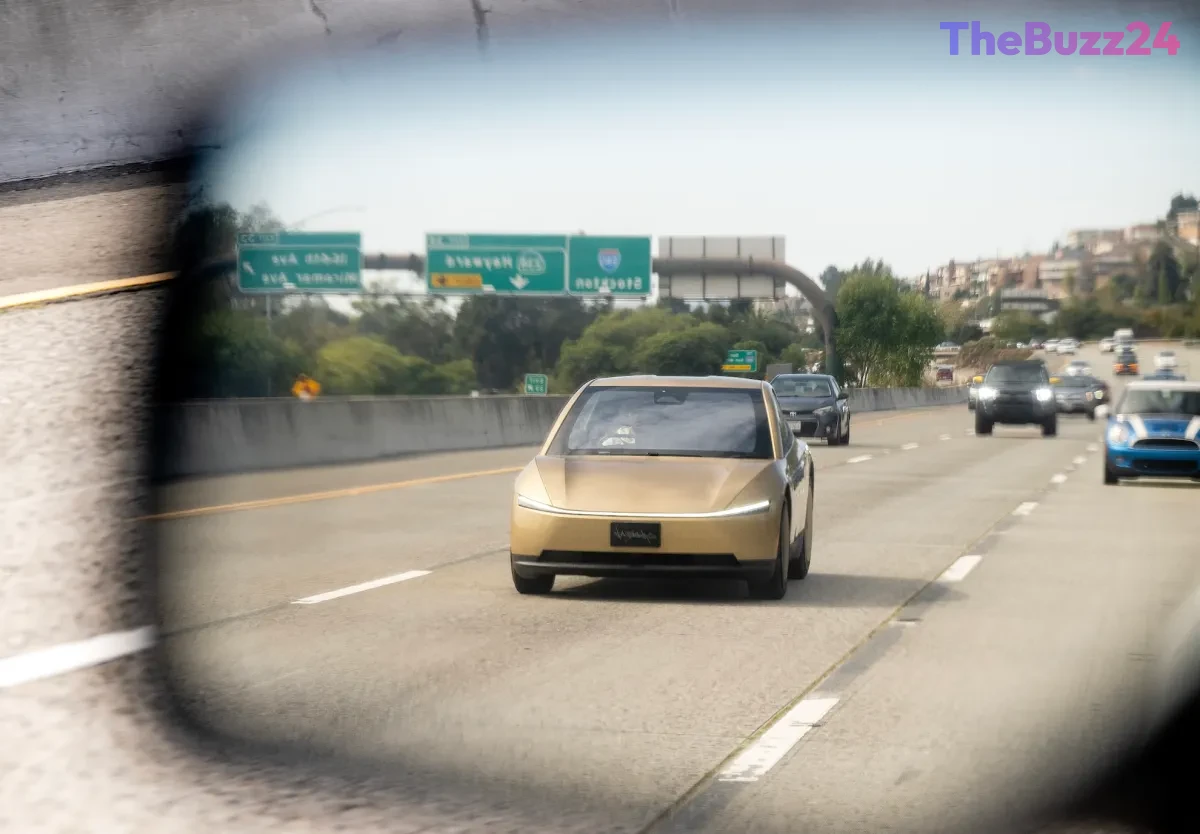
The landscape of autonomous vehicle (AV) technology is rapidly evolving, marked by new regulatory proposals and significant advancements from leading automotive and tech companies. U.S. federal safety regulators are addressing the challenge of public identification for AVs, with the National Highway Traffic Safety Administration (NHTSA) proposing new lighting requirements. This initiative suggests the use of cyan-colored lights to signal when a vehicle is operating autonomously without a human occupant actively monitoring the road. While not a mandate, the proposal outlines equipment specifications for these lights, including mounting locations, color, activation methods, and even suggests removing requirements for certain manually operated controls in fully autonomous designs. This move is part of a broader effort by NHTSA to update regulations, aiming to facilitate AV adoption while upholding safety standards, particularly for innovative vehicle designs like the Tesla Cybercab and Zoox robotaxi that lack traditional controls, as noted by NHTSA administrator Jonathan Morrison.
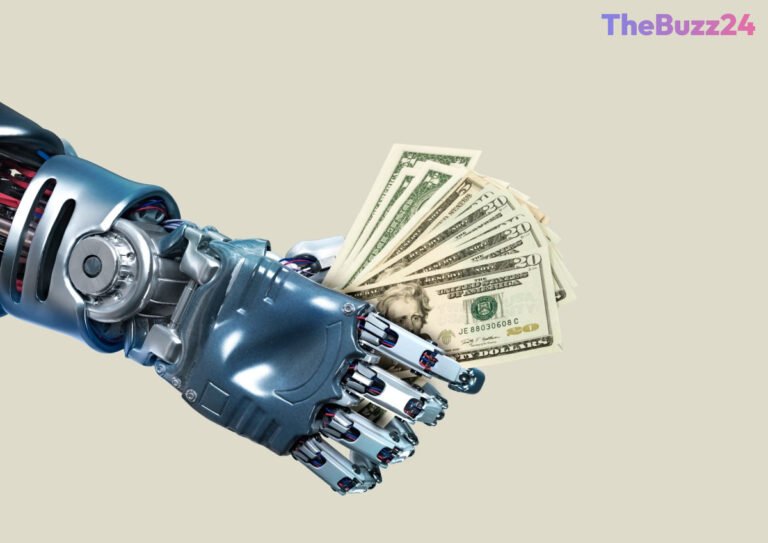
In parallel with regulatory developments, major automakers are accelerating their investments in artificial intelligence and autonomous capabilities. General Motors (GM) recently detailed its strategy to overhaul the electrical and computational architecture of its future vehicles. This ambitious plan, set to debut with the Cadillac Escalade IQ in 2028, aims to deliver faster software, enhanced automated driving features, and a bespoke conversational AI assistant to modernize its OnStar service. GM also intends to roll out an autonomous highway driving feature by 2028, allowing for hands-off, eyes-off operation. Similarly, Tesla, under CEO Elon Musk, is intensely focused on its AI and robotics future, having begun production of its Optimus humanoid robot and planning to sell its Cybercab robotaxi to customers by year-end. Musk also revealed that the boards of Tesla and SpaceX are reviewing a potential merger, highlighting the deep integration of AI across his ventures, with SpaceX’s AI business reportedly generating substantial revenue.
Beyond the established giants, the autonomous sector is witnessing dynamic growth through strategic acquisitions and significant funding rounds. Rivian, for instance, acquired Third Dimension, a U.K. startup specializing in using AI to convert images and videos into realistic 3D virtual environments, crucial for advanced simulation in autonomous driving development to close the “sim-to-real gap.” In the ride-hailing space, inDrive is collaborating with Chinese autonomous driving firm Pony.ai and Nvidia to pilot robotaxi services in Kazakhstan by 2027. Furthermore, Reliable Robotics, a company developing autonomous flying technology for existing aircraft, secured an additional $115 million in funding, pushing its valuation past $1 billion.
These developments underscore a concerted industry-wide push towards both ground and air autonomy, supported by continuous technological innovation and strategic partnerships. Meanwhile, Google is enhancing its in-vehicle Gemini AI with personal intelligence features that draw on user data from various Google services. Waymo is also expanding its robotaxi services, including a planned launch in Madrid by 2027 and new operations at Harry Reid International Airport in Las Vegas. Separately, GM announced the closure of a plant south of Detroit, which assembled battery packs and electric drive units, citing the expiration of its lease rather than a shift in its electric vehicle strategy.
Key Takeaways
- U.S. regulators are proposing cyan-colored lights to visually identify autonomous vehicles operating without human oversight, aiming for standardization and safety.
- Major automakers like GM and Tesla are heavily investing in AI and autonomous technology, with GM overhauling vehicle architecture and Tesla focusing on humanoid robots and robotaxis.
- The autonomous vehicle sector continues to see significant investment and expansion, including Rivian's acquisition of an AI simulation startup, new robotaxi partnerships, and substantial funding for autonomous flight technology.
Editor’s Analysis & Impact
The proposed regulatory framework for AV lighting signals a maturing industry moving towards public integration and safety standardization. This, coupled with aggressive AI and autonomy investments from automotive giants like GM and Tesla, indicates a rapid acceleration in the development and deployment of self-driving technologies. The focus on simulation (Rivian) and global expansion (Waymo, inDrive) highlights the industry’s push to overcome technical hurdles and broaden market reach. While regulatory clarity is emerging, the competitive landscape is intensifying, with companies vying for leadership in both consumer vehicles and specialized autonomous services like robotaxis and even autonomous flight. The long-term implications point to a significant transformation in transportation, potentially impacting urban planning, logistics, and personal mobility.
Frequently Asked Questions
Q: What is the proposed new lighting requirement for autonomous vehicles?
A: The National Highway Traffic Safety Administration (NHTSA) has proposed that autonomous vehicles use cyan (blue-green) colored lights, steadily illuminated and visible from all sides, to indicate when they are operating in autonomous mode without human monitoring.
Q: How are major automakers like GM and Tesla advancing in autonomous technology?
A: GM is overhauling its vehicle electrical and computational systems to integrate advanced software, more capable automated driving features, and a custom conversational AI assistant, with plans for hands-off highway driving by 2028. Tesla is heavily focused on AI and robotics, including the production of its Optimus humanoid robot and plans to sell its Cybercab robotaxi to customers soon, alongside continued development of its Full Self-Driving (FSD) system.
Q: What role does AI play in the broader autonomous vehicle industry?
A: AI is central to the autonomous vehicle industry, powering everything from advanced driving features and conversational assistants (GM, Google Gemini) to sophisticated simulation environments for vehicle development (Rivian's acquisition of Third Dimension) and the core intelligence behind robotaxis (Pony.ai, Waymo) and autonomous flight (Reliable Robotics).
AI Disclosure: This article is based on verified data and official reports. Our Team and AI have cross-referenced every financial detail with primary sources to ensure total accuracy.
More from this Category