Ultrahuman Reports Data Breach Following Employee Credential Theft
Health technology startup Ultrahuman has confirmed a security breach that resulted in unauthorized access to customer wellness data. The incident, which occurred on March 27, was traced back to an employee whose laptop was compromised by malware, allowing attackers to steal credentials and gain entry to an internal analytics system.
Upon detecting the intrusion, the company stated that it immediately took the affected systems offline and revoked all unauthorized access. While the startup has not provided an exact count of impacted individuals, it noted that the breach affected approximately 0.1% of its user base. Given the company’s reported monthly active user count of roughly 700,000, this suggests that at least 700 customers may have had their personal health information exposed.
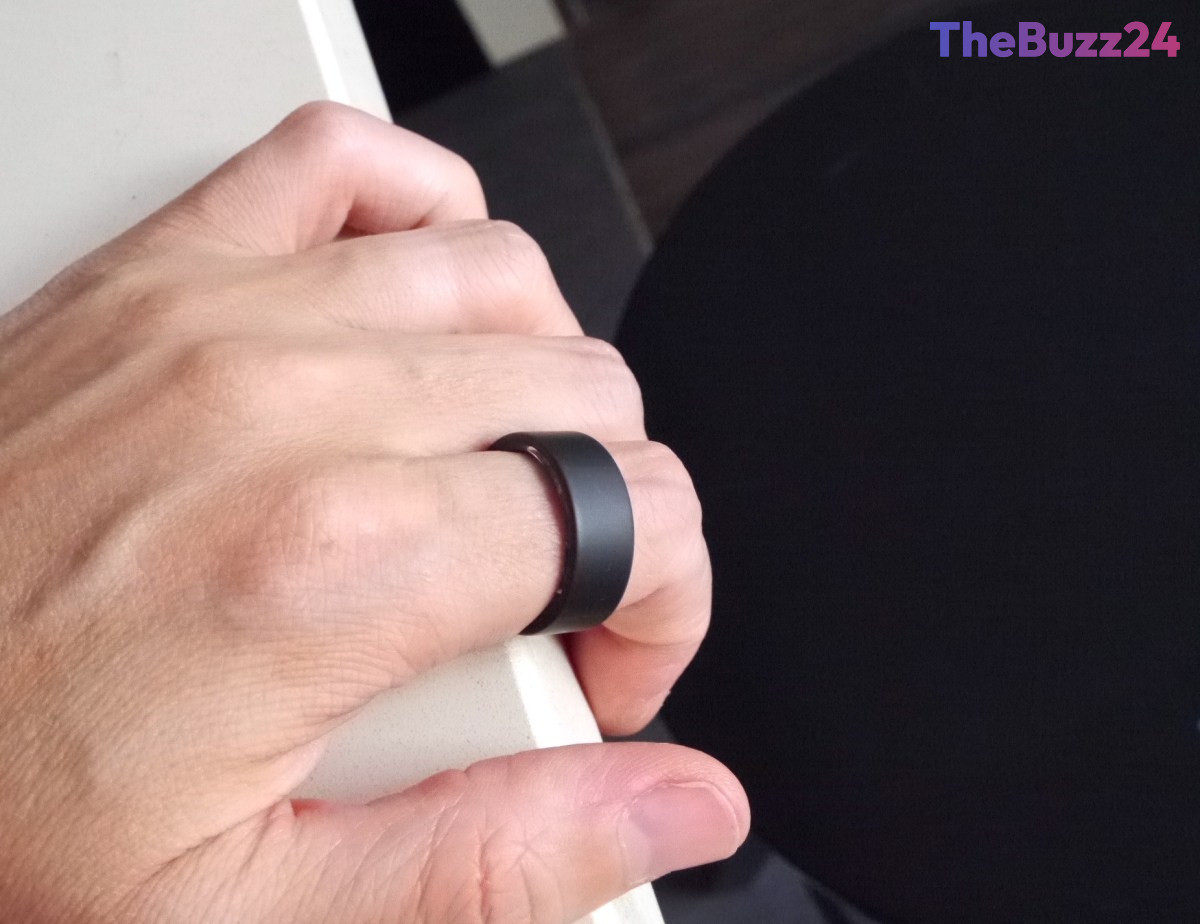
Ultrahuman emphasized that the breach was limited to an internal analytics tool and did not compromise sensitive financial information, user passwords, or the core production systems that manage the company’s smart rings. The startup has since initiated an audit to determine the full scope of the data exposure and has begun notifying relevant regulatory bodies. While the company maintains that the attackers only obtained ‘read-only’ access, it has not yet confirmed whether any specific customer data was exfiltrated during the window of unauthorized access.
Key Takeaways
- Ultrahuman suffered a data breach after an employee's credentials were stolen via malware.
- Approximately 0.1% of the company's user base, or at least 700 customers, were affected by the incident.
- The company confirmed that no payment information, passwords, or device production systems were compromised.
Editor’s Analysis & Impact
The Ultrahuman breach serves as a stark reminder of the vulnerabilities inherent in the rapidly expanding wearable health technology sector. As these companies aggregate massive amounts of sensitive biometric data, they become prime targets for cybercriminals. The incident highlights a critical industry-wide challenge: balancing the need for internal data accessibility for analytics with the necessity of robust, granular security protocols. For startups in this space, the reputational damage of a data leak can be significant, potentially eroding user trust in devices designed to monitor intimate health metrics. Moving forward, we expect to see increased regulatory scrutiny regarding how health-tech firms store and access user data, likely forcing companies to implement stricter zero-trust architectures and more rigorous endpoint security for remote employees to prevent similar credential-based attacks.
Frequently Asked Questions
Q: What kind of data was accessed during the Ultrahuman breach?
A: The breach involved 'wellness data' stored in an internal analytics system. The company confirmed that no passwords, payment information, or production systems were compromised.
Q: How did the attackers gain access to the system?
A: The attackers gained access by using credentials stolen from an employee's laptop, which had been infected with malware.
AI Disclosure: This article is based on verified data and official reports. Our Team and AI have cross-referenced every financial detail with primary sources to ensure total accuracy.
More from this Category