Asia-Pacific Markets Retreat Amid Escalating Middle East Geopolitical Tensions
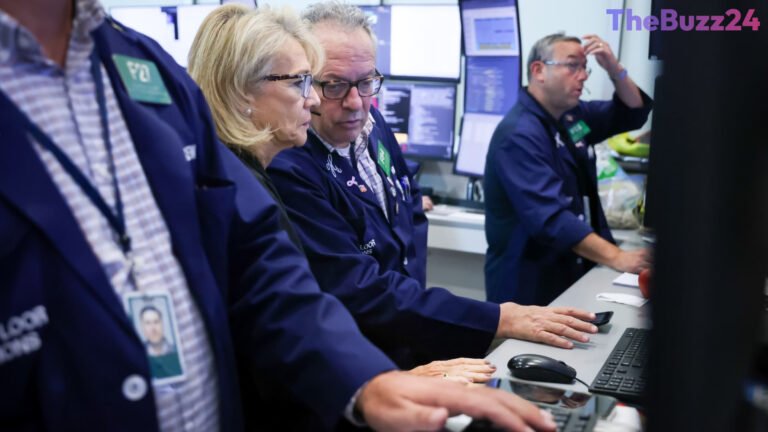
Asia-Pacific financial markets experienced a broad downturn on Thursday, mirroring a negative trend set by Wall Street as investors grapple with the economic fallout of intensifying hostilities between Iran and the United States. The market sentiment has been heavily influenced by concerns that the ongoing conflict could sustain elevated oil prices, thereby exacerbating global inflationary pressures.
Recent military developments have heightened regional instability, following reports of strikes involving Iranian assets and U.S. defensive maneuvers in the Persian Gulf. Israeli Prime Minister Benjamin Netanyahu has signaled that both Israel and the U.S. remain prepared to conduct further operations against Iran if necessary, warning that Tehran is “playing with fire.” This rhetoric has kept energy markets volatile, with crude oil benchmarks seeing significant fluctuations throughout the week.
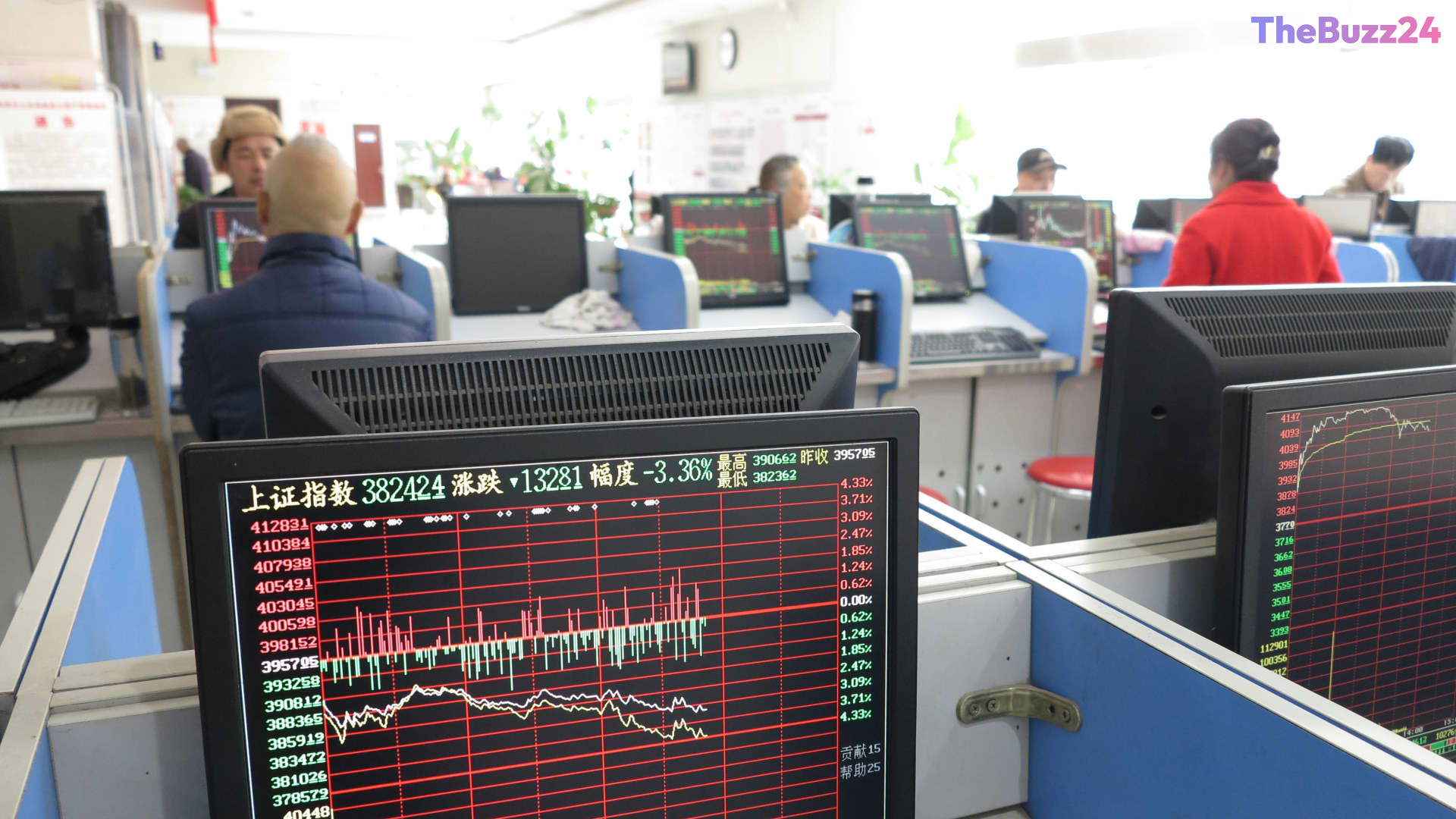
Regional indices reflected this uncertainty, with Japan’s Nikkei 225 retreating 1.77% following a record-breaking session, while South Korea’s Kospi dropped 1.24%. Other major markets, including Australia’s S&P/ASX 200, Hong Kong’s Hang Seng, and mainland China’s CSI 300, also posted losses. Additionally, SoftBank Group saw a notable decline of over 11% following the divestment of a stake in Lenskart Solutions. As futures for U.S. indices remain under pressure, investors are closely monitoring the situation for any signs of de-escalation that might stabilize global energy costs.
Key Takeaways
- Asia-Pacific markets declined as investors reacted to rising geopolitical tensions between Iran and the U.S.
- Concerns over sustained high oil prices and their impact on global inflation are driving market volatility.
- Major regional indices, including the Nikkei 225 and Kospi, saw significant pullbacks following negative momentum from Wall Street.
Editor’s Analysis & Impact
The current market volatility underscores the extreme sensitivity of global financial systems to geopolitical instability in the Middle East. Because the region remains a critical hub for energy production, any threat of conflict immediately translates into upward pressure on oil prices, which complicates central bank efforts to manage inflation. The ‘risk-off’ sentiment observed in Asia-Pacific markets suggests that investors are prioritizing capital preservation over growth until there is greater clarity on the duration and intensity of the current military standoff. Looking ahead, if the conflict persists or expands, we can expect continued downward pressure on equity markets and increased volatility in energy-dependent sectors. The broader implication is a potential slowdown in global economic recovery as supply chain disruptions and energy costs weigh on corporate margins and consumer purchasing power.
Frequently Asked Questions
Q: Why are Asia-Pacific markets falling?
A: Markets are declining primarily due to renewed geopolitical tensions between Iran and the U.S., which have sparked fears of higher oil prices and persistent inflation.
Q: How do Middle East tensions affect global stock markets?
A: Geopolitical instability in the Middle East often leads to higher oil prices, which increases operational costs for businesses and fuels inflation, causing investors to move away from riskier assets like stocks.
AI Disclosure: This article is based on verified data and official reports. Our Team and AI have cross-referenced every financial detail with primary sources to ensure total accuracy.
More from this Category