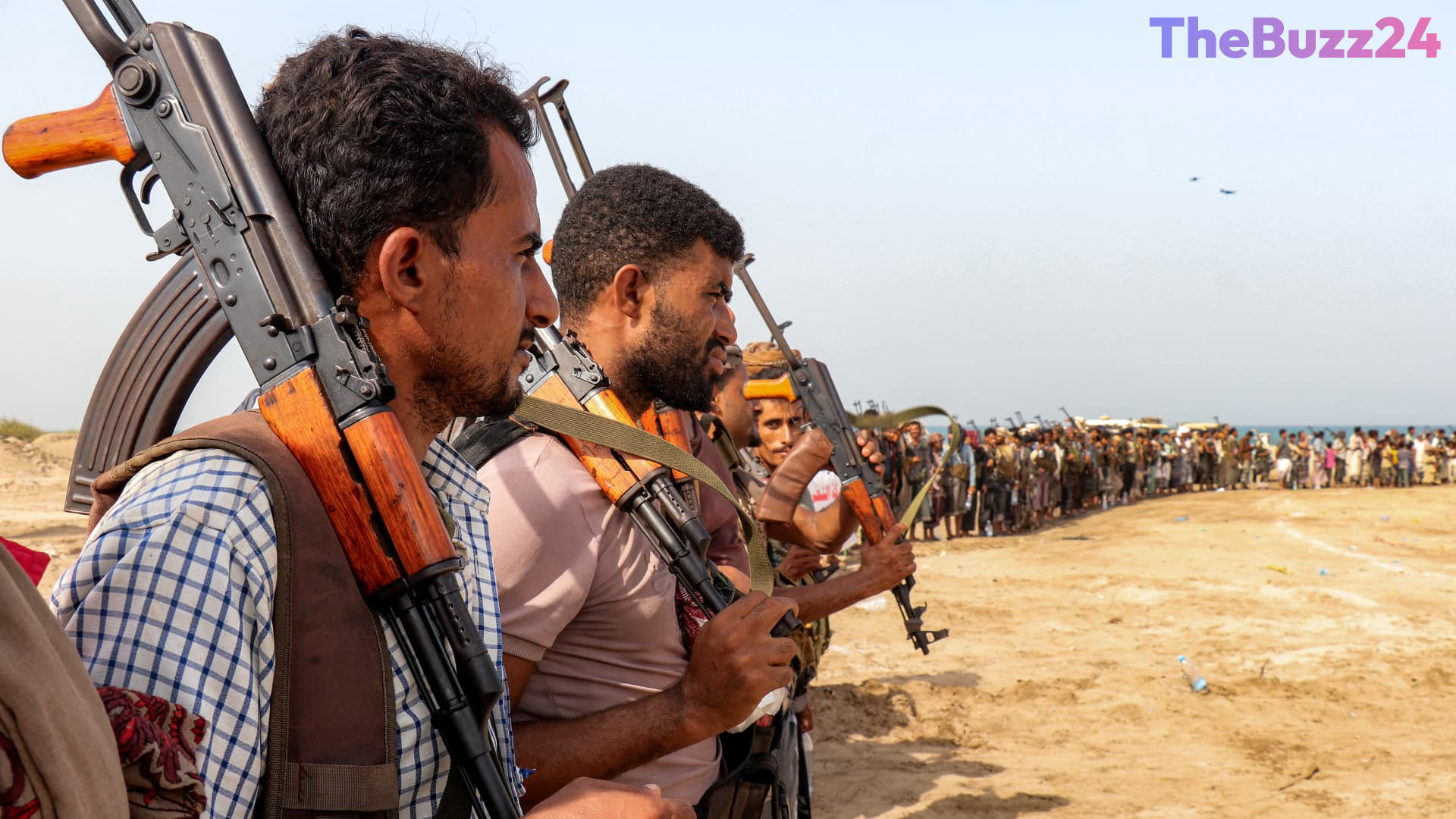
Red Sea Tensions Escalate as Saudi Forces Strike Houthi Targets
Saudi-led coalition forces have launched a series of targeted military strikes against Houthi militia positions in Yemen. The operation follows a period of heightened aggression in the Red Sea, where the Iran-backed group claimed responsibility for attacking two Saudi oil tankers. According to coalition officials, the strikes were strictly aimed at neutralizing military infrastructure used by the Houthis to threaten international commercial shipping lanes.
The regional instability has intensified following a declaration by the Houthis of a maritime embargo, which threatens to disrupt oil exports passing through the Red Sea and the Bab el-Mandeb Strait. In response to the ongoing threats, Saudi air defense systems successfully intercepted two ballistic missiles launched from Yemen that were reportedly targeting oil refineries in the city of Yanbu. While the interceptions were successful, the incident highlights the growing vulnerability of critical energy infrastructure in the region.
International pressure is mounting as the United States warns of potential consequences for those supporting the militia. President Donald Trump has explicitly stated that the U.S. will hold Iran accountable for the actions of its proxies, warning that further provocations could lead to significant military repercussions. As diplomatic efforts led by nations like Pakistan attempt to facilitate peace talks, the situation remains volatile, with the threat of a broader conflict looming over the Middle East.
Key Takeaways
- Saudi coalition forces conducted strikes against Houthi military targets in Yemen following attacks on commercial oil tankers.
- Houthi militants have declared a maritime embargo in the Red Sea, threatening global oil supply chains.
- The U.S. government has issued a stern warning to Iran, indicating that it will be held responsible for the actions of its regional proxies.
Editor’s Analysis & Impact
The recent escalation in the Red Sea represents a significant shift in the regional security landscape, moving from localized conflict to a direct threat against global energy logistics. By targeting oil tankers and critical infrastructure in Yanbu, the Houthi militia is effectively weaponizing international trade routes, which forces a more aggressive posture from both Saudi Arabia and the United States. The explicit linkage of Houthi actions to Iranian state policy by the U.S. administration suggests that the conflict is moving toward a potential direct confrontation between major powers. Investors and energy markets should anticipate continued volatility in oil prices as the risk of a sustained blockade or further military engagement remains high. The success of diplomatic interventions, such as those proposed by Pakistan, will be the primary indicator of whether this conflict can be contained or if it will spiral into a broader regional war.
Frequently Asked Questions
Q: Why did Saudi Arabia launch strikes against Houthi targets?
A: The strikes were a response to Houthi attacks on Saudi oil tankers and the group's declaration of a maritime embargo, which threatened commercial shipping in the Red Sea.
Q: What is the U.S. position regarding the Houthi attacks?
A: The U.S. has stated it views the Houthis as a proxy for Iran and has warned that it will hold Iran directly responsible for any further attacks, potentially leading to significant military action.
AI Disclosure: This article is based on verified data and official reports. Our Team and AI have cross-referenced every financial detail with primary sources to ensure total accuracy.
More from this Category