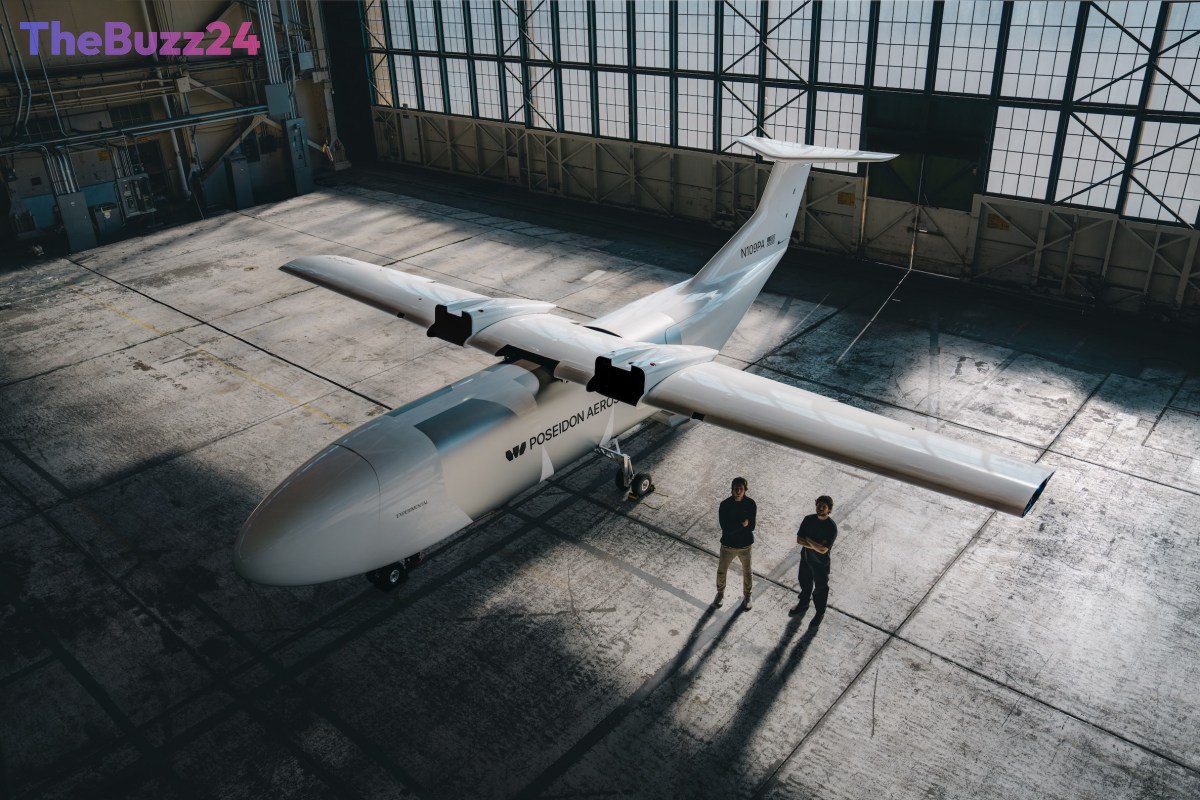
Poseidon Aerospace Secures $60 Million for Pilotless Cargo Flights
Poseidon Aerospace, a burgeoning player in the advanced air mobility sector, has successfully closed a $60 million Series A funding round. This significant investment comes as the company gears up for the inaugural test flight of its uncrewed cargo aircraft, dubbed ‘Egret,’ anticipated by the end of the year. The funding aims to accelerate the company’s mission to revolutionize aerologistics by focusing on cost-effective cargo transportation.
The funding round was spearheaded by TQ Ventures, with participation from new investors including Hanwha Asset Management, G Squared, and JAWS. Existing supporters such as Starship Ventures, Draper Associates, and Drover Ventures also contributed, underscoring confidence in Poseidon’s vision. The company’s co-founder and CEO, David Zagaynov, previously at Amazon, emphasized a strategic departure from the trend of prioritizing novel technologies. Instead, Poseidon is dedicated to enhancing cargo delivery efficiency and affordability.
Poseidon’s approach eschews some of the more complex technologies favored by competitors, such as vertical takeoff and landing (VTOL) systems or electric powertrains. The Egret aircraft, along with its seaplane variant ‘Heron,’ will utilize traditional combustion engines, chosen for their superior energy density. This pragmatic choice allows the company to focus on creating a highly efficient, fixed-wing design optimized for lower operational costs and increased utilization. The company is targeting both defense applications, aiming to serve remote and underserved regions, and the commercial cargo market, with plans to operate its own regional air cargo service.
The absence of a pilot onboard is a key factor in Poseidon’s cost-reduction strategy. Eliminating cockpits and life support systems significantly reduces aircraft weight, thereby improving the payload-to-empty weight ratio. This design philosophy enables the use of lighter, more efficient engines, creating a positive feedback loop for cost savings. Poseidon Aerospace is expanding its operations into an old Navy hangar in Alameda, California, to accommodate the development of its full-scale aircraft, which features a 50-foot wingspan. The company is also actively expanding its team to support its ambitious flight testing schedule.
Key Takeaways
- Poseidon Aerospace has raised $60 million in Series A funding to advance its pilotless cargo aircraft technology.
- The company's 'Egret' aircraft will use traditional combustion engines and a fixed-wing design for cost-effective cargo transport.
- Poseidon aims to serve both defense and commercial markets, focusing on improving cargo delivery efficiency and reducing costs through automation.
Editor’s Analysis & Impact
The substantial Series A funding for Poseidon Aerospace highlights a growing investor appetite for pragmatic solutions in the advanced air mobility space. By focusing on cost reduction through established technologies like combustion engines and fixed-wing designs, Poseidon is positioning itself to challenge traditional air cargo models. This strategy, coupled with the inherent cost benefits of uncrewed operations, could significantly disrupt regional logistics. The company’s dual focus on defense and commercial sectors provides a diversified revenue stream and addresses critical needs for resilient supply chains in remote areas. As regulatory frameworks evolve, Poseidon’s approach may prove more scalable and commercially viable than ventures prioritizing cutting-edge but unproven technologies.
Frequently Asked Questions
Q: What is Poseidon Aerospace's primary goal?
A: Poseidon Aerospace's primary goal is to build the future of aerologistics by significantly improving the cost-effectiveness and efficiency of cargo transportation through the development of uncrewed aircraft.
Q: Why is Poseidon Aerospace using combustion engines instead of electric or hydrogen?
A: Poseidon Aerospace is using combustion engines because they offer superior energy density, which is crucial for efficient and cost-effective cargo transport. This pragmatic choice allows them to focus on a lighter, cheaper aircraft design.
Q: What markets is Poseidon Aerospace targeting?
A: Poseidon Aerospace is targeting both the defense sector, to service remote and underserved areas, and the commercial regional cargo market, aiming to compete with established carriers.
AI Disclosure: This article is based on verified data and official reports. Our Team and AI have cross-referenced every financial detail with primary sources to ensure total accuracy.
More from this Category