Silent Escapes: Stranded Commercial Ships Quietly Coordinate with U.S. Navy to Exit Strait of Hormuz
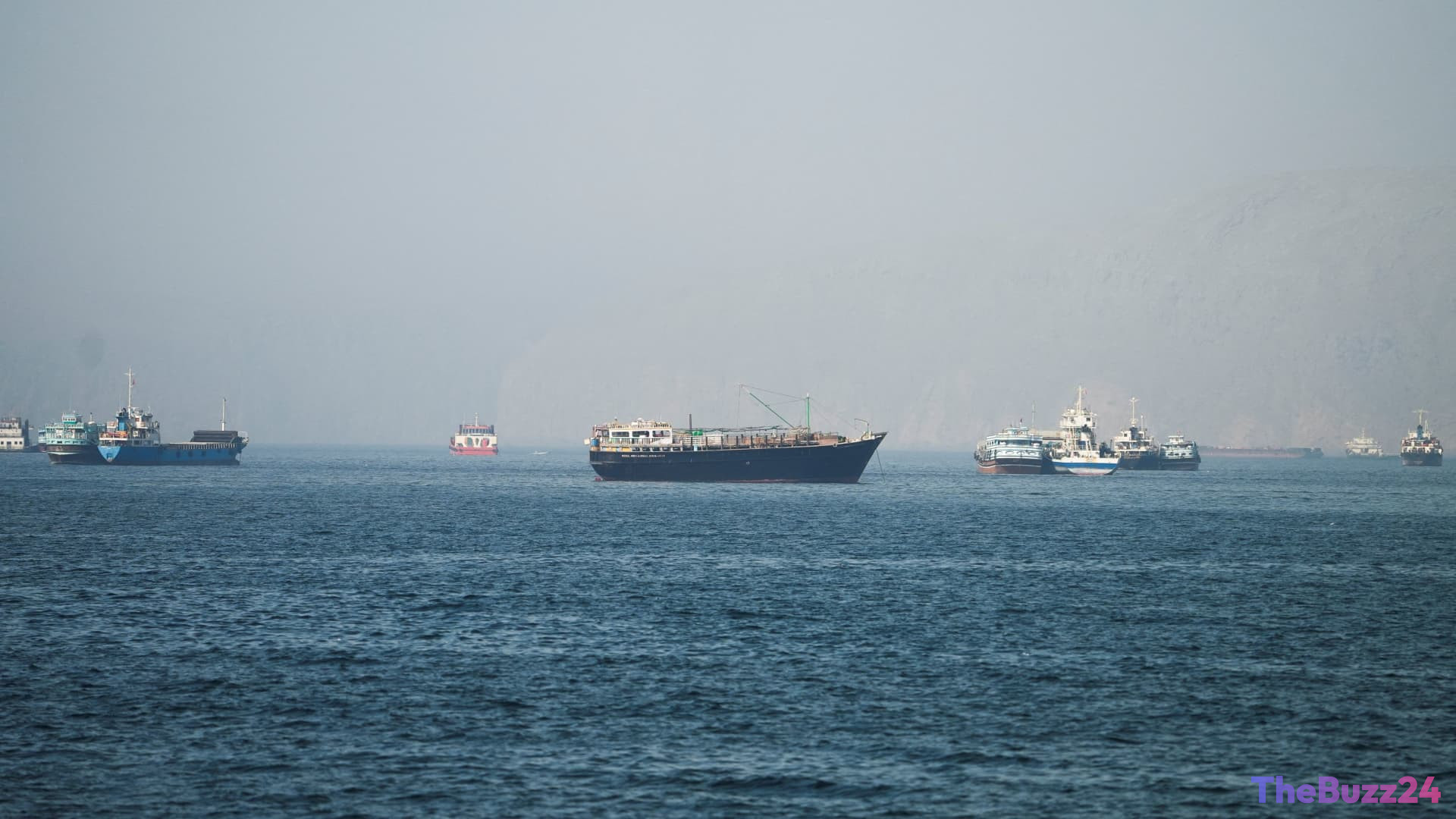
Dozens of commercial vessels previously trapped in the Persian Gulf have successfully navigated their way out through the highly contested Strait of Hormuz over the past three weeks. This movement is the result of discreet coordination between ship operators and the U.S. Navy, specifically through the Bahrain-based Naval Cooperation and Guidance for Shipping group. While the Navy is not providing direct physical escorts, it is offering limited assurances that it will step in to intercept potential hostile threats, allowing operators to make their own transit decisions.
This quiet collaboration follows the abrupt termination of “Project Freedom” last month, a short-lived U.S. military initiative championed by President Donald Trump that aimed to actively escort stranded vessels. Despite the recent successful exits of nearly 40 ships, maritime traffic through the critical waterway remains significantly below pre-conflict levels. Shipowners face a double-edged sword: navigating the strait without Tehran’s approval risks direct aggression from Iranian forces, while cooperating with Iran to secure safe passage risks triggering severe U.S. sanctions.
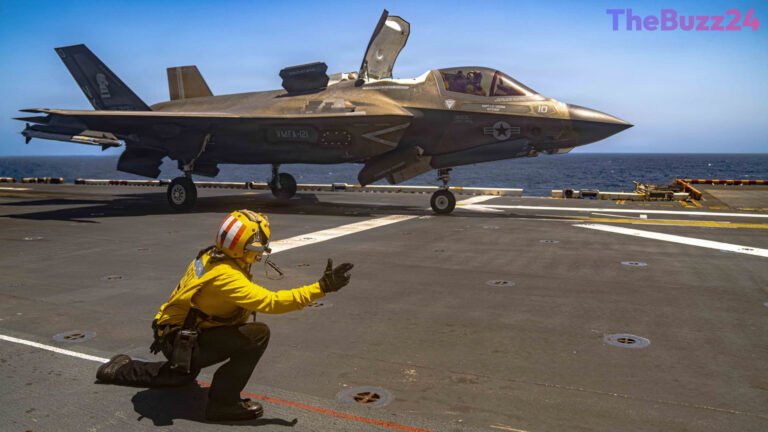
The delicate situation is further complicated by recent military skirmishes in the region. Earlier this week, U.S. and Iranian forces engaged in direct combat near the strait, briefly causing global oil prices to spike amid fears of a collapsed ceasefire. The hostilities began when Iranian forces launched attack drones toward commercial vessels. U.S. forces intercepted the drones and launched retaliatory strikes on Qeshm Island. In response, Iran fired ballistic missiles toward Bahrain and Kuwait, with one missile striking Kuwait International Airport, resulting in casualties.
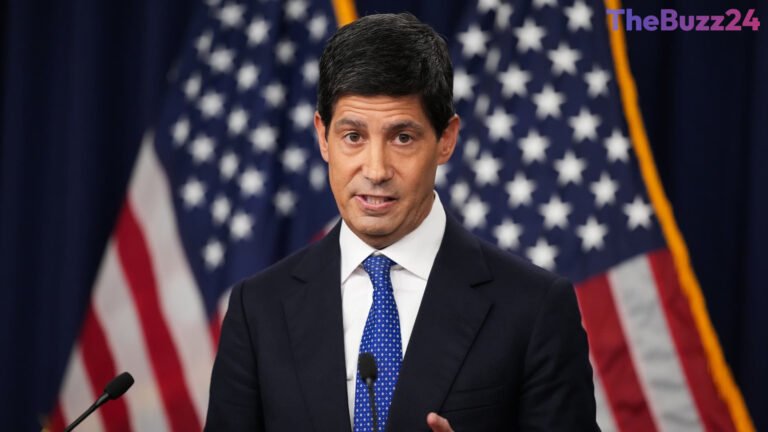
Addressing the escalating tensions, Secretary of State Marco Rubio emphasized the necessity of defending commercial shipping lanes. Speaking before the House Foreign Relations Committee, Rubio warned that imprecise drone attacks pose severe ecological and human risks to the region. He asserted that while the U.S. does not seek to initiate conflict, it must and will respond to any hostile actions directed at civilian mariners.
Key Takeaways
- Nearly 40 stranded commercial vessels have successfully exited the Persian Gulf by sharing transit plans with the U.S. Navy.
- The U.S. Navy is providing threat-monitoring and interception assurances rather than direct physical escorts, following the cancellation of Project Freedom.
- Recent military clashes, including Iranian drone attacks and U.S. retaliatory strikes, have heightened regional tensions and caused temporary spikes in global oil prices.
Editor’s Analysis & Impact
The quiet coordination between commercial shipowners and the U.S. Navy highlights the extreme fragility of global energy supply chains. The Strait of Hormuz remains one of the world’s most critical maritime chokepoints, and any disruption immediately reverberates through global oil markets. While the current informal security arrangement has allowed some vessels to escape, it is a temporary band-aid rather than a long-term solution. The cancellation of formal escort programs like Project Freedom leaves shipping companies in a precarious legal and physical gray zone, balancing the threat of Iranian seizure against the risk of U.S. sanctions. Looking ahead, unless a formal diplomatic resolution or a robust international maritime coalition is established, shipping rates and insurance premiums for transit through the Persian Gulf will remain prohibitively high, dragging down global economic efficiency and keeping energy markets highly volatile.
Frequently Asked Questions
Q: Why are ships coordinating quietly with the U.S. Navy instead of receiving direct escorts?
A: Following the abrupt cancellation of the U.S. Navy's formal escort mission, Project Freedom, the Navy transitioned to providing limited threat-monitoring and interception assurances. Shipowners share their transit plans voluntarily, allowing the Navy to monitor the area and intervene if threats arise, while leaving the final transit decisions to individual operators.
Q: What risks do commercial vessels face when transiting the Strait of Hormuz?
A: Vessels risk physical attacks or seizure by Iranian forces if they transit without Tehran's approval. However, if they cooperate with Iranian authorities to secure safe passage, they risk violating U.S. sanctions. Additionally, recent drone and missile exchanges in the region present severe physical and environmental hazards.
Q: How have these tensions affected global markets?
A: The instability in the Strait of Hormuz has kept maritime traffic well below pre-war levels. Recent military clashes and drone strikes have caused immediate, short-term spikes in global oil prices due to fears of supply disruptions, alongside rising insurance costs for shipping companies operating in the region.
AI Disclosure: This article is based on verified data and official reports. Our Team and AI have cross-referenced every financial detail with primary sources to ensure total accuracy.
More from this Category