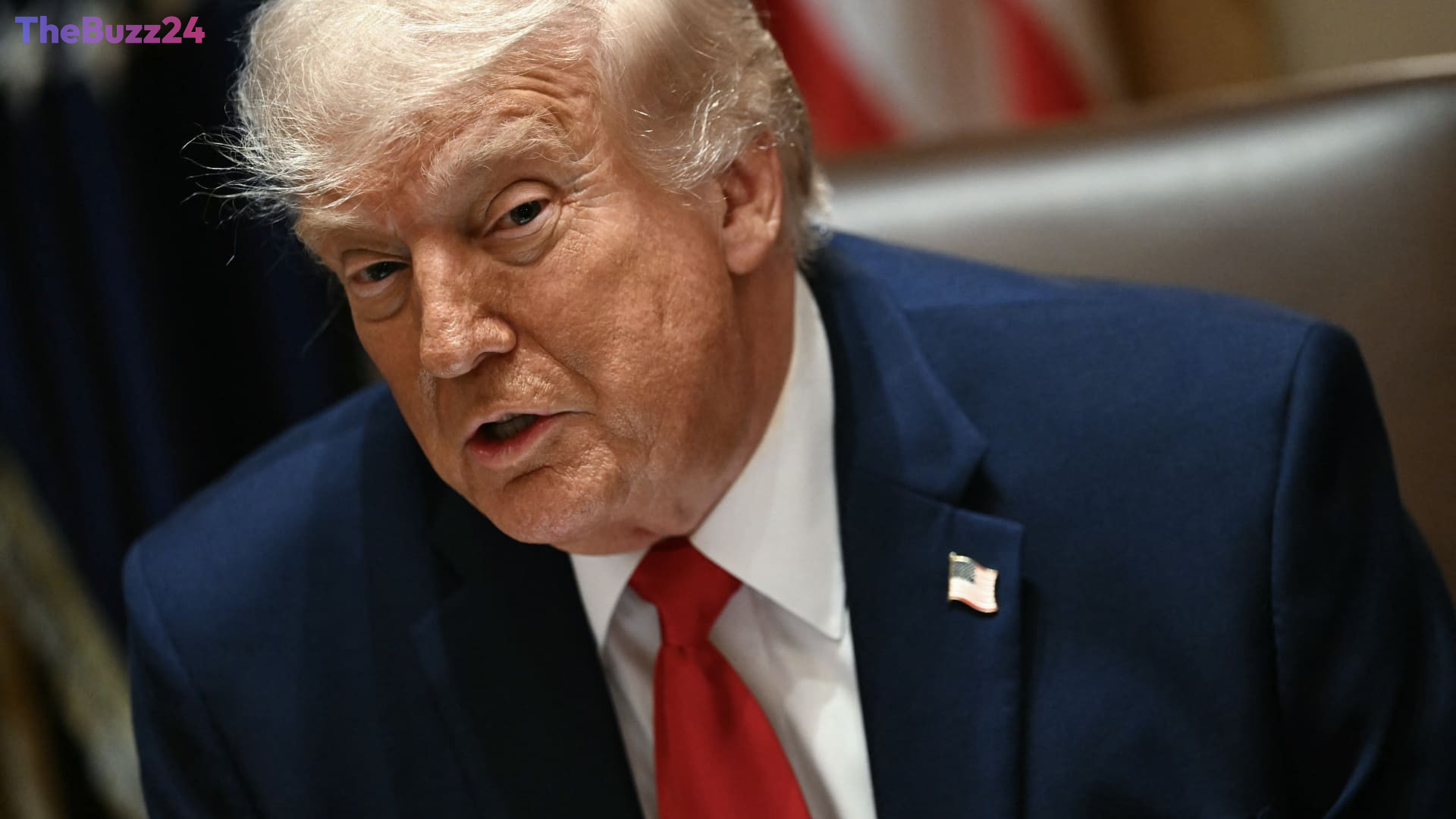
Oil Prices Dip as Trump Signals Reluctance to Escalate Iran Conflict
Global oil prices experienced a notable decline of approximately 3% on Thursday, following reports suggesting President Donald Trump is hesitant to reignite a full-scale conflict with Iran. West Texas Intermediate (WTI) futures saw a 3.1% drop, settling at $93.04 per barrel, while the international benchmark, Brent futures, decreased by 2.8% to close at $95.03 per barrel.
The shift in market sentiment appears linked to a report indicating that President Trump has communicated to his advisors that a fragile, weekslong ceasefire with Iran is largely holding, despite isolated skirmishes. Unnamed U.S. officials cited in the report suggest the President would only consider ending this truce if Iran were to cause the death of American troops.
This development comes amidst a complex geopolitical landscape. Earlier in the week, the ceasefire appeared to be on the brink of collapse after Iranian state media indicated a halt in talks with the U.S., citing Israel’s military actions in Lebanon. Iran supports Hezbollah militants, who have been engaged in missile exchanges with Israel. However, a recent agreement between Israel and Lebanon to implement a ceasefire on Wednesday offers a potential pathway for advancing U.S.-Iran diplomatic discussions, though the long-term stability of this truce remains uncertain, particularly given Hezbollah’s independent operations.
Domestically, President Trump is facing increasing pressure from within Congress. The House of Representatives recently passed a resolution urging the withdrawal of U.S. forces from the region or requiring congressional approval for any continued military engagement. While this resolution faces significant hurdles, including likely passage through the Senate and a probable presidential veto, it underscores growing opposition to escalating military action.
Key Takeaways
- Oil prices fell by approximately 3% due to reports of President Trump's reluctance to escalate conflict with Iran.
- A fragile ceasefire between Iran and the U.S. appears to be holding, influencing market stability.
- Congressional opposition to military escalation in Iran is growing, with the House passing a resolution against continued engagement.
Editor’s Analysis & Impact
The recent dip in oil prices highlights the significant impact geopolitical tensions, particularly concerning Iran, have on global energy markets. President Trump’s reported hesitation to escalate military action, coupled with a fragile ceasefire, suggests a potential de-escalation that could lead to more stable oil supply dynamics. However, the situation remains volatile, with regional conflicts and internal political pressures influencing U.S. foreign policy. The market will be closely watching for any shifts in this stance, as sustained peace could lead to lower energy prices, while renewed conflict would likely send them soaring. This underscores the delicate balance between diplomacy and military posturing in shaping global economic outcomes.
Frequently Asked Questions
Q: What caused oil prices to fall?
A: Oil prices fell by approximately 3% following a report indicating that President Donald Trump is reluctant to restart a full-scale war with Iran, suggesting a potential de-escalation of tensions.
Q: What is the current status of the ceasefire with Iran?
A: A weekslong ceasefire with Iran is reportedly holding despite sporadic clashes. President Trump has indicated he would consider ending the truce only if Iran causes the death of American troops.
Q: What is the significance of the Israel-Lebanon ceasefire?
A: The agreement between Israel and Lebanon to implement a ceasefire could potentially advance diplomatic talks between the U.S. and Iran, although the long-term stability of this truce is uncertain.
AI Disclosure: This article is based on verified data and official reports. Our Team and AI have cross-referenced every financial detail with primary sources to ensure total accuracy.
More from this Category