Arizona Supreme Court Rejects Appeal in 2020 Election ‘Fake Elector’ Case
The Arizona Supreme Court has officially denied an appeal from state prosecutors seeking to bypass a lower court order that requires the ‘fake elector’ case to be returned to a grand jury. The case, which involves high-profile figures such as former New York City Mayor Rudy Giuliani and former White House Chief of Staff Mark Meadows, centers on allegations surrounding the 2020 presidential election results in Arizona.
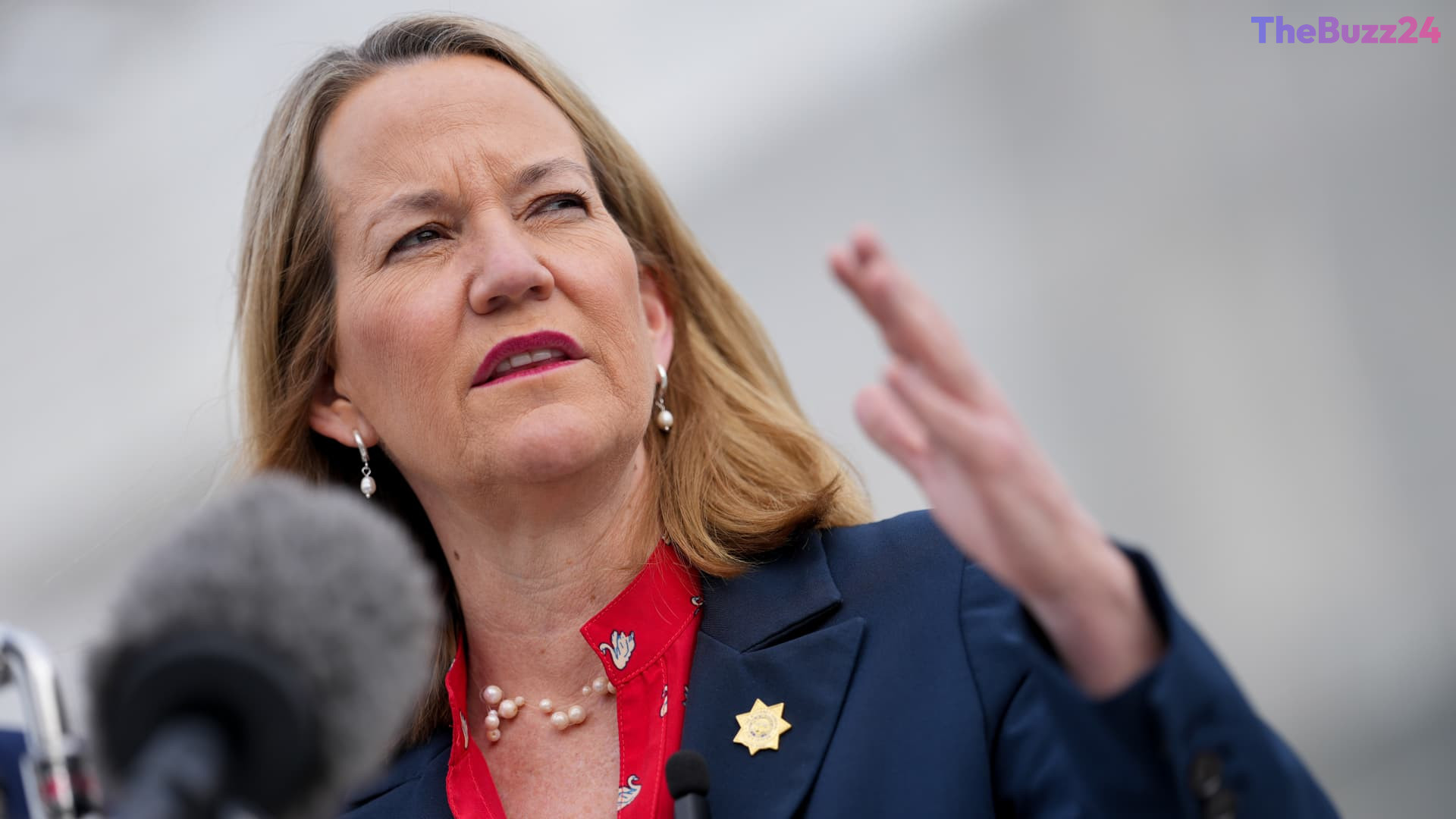
This judicial development represents a significant procedural hurdle for Attorney General Kris Mayes, whose office has been attempting to prosecute 18 individuals on charges of conspiracy, fraud, and forgery. The legal dispute stems from a Phoenix judge’s ruling in May, which determined that the original grand jury was not properly instructed on the Electoral Count Act—a 19th-century statute that defense attorneys argue provided a legal basis for submitting alternative slates of electors during contested election periods.
Despite the setback, the Attorney General’s office has indicated its intention to present the case to a new grand jury rather than abandoning the prosecution. The defense, meanwhile, continues to maintain that the charges are meritless, noting that the defendants were acting under the belief that their actions were necessary to preserve legal options should election challenges succeed. With the case having faced multiple delays, including judicial recusals and numerous dismissal motions, the path forward remains complex as the state attempts to navigate the legal intricacies of the 2020 election aftermath.
Key Takeaways
- The Arizona Supreme Court upheld a lower court order requiring the 'fake elector' case to be presented again to a grand jury.
- The core legal dispute involves whether the original grand jury was adequately informed about the Electoral Count Act during the indictment process.
- The Attorney General's office plans to continue the prosecution of the 18 defendants, despite ongoing delays and recent dismissals of similar cases in other states.
Editor’s Analysis & Impact
The Arizona Supreme Court’s decision underscores the increasing difficulty prosecutors face when attempting to litigate ‘fake elector’ schemes years after the 2020 election. By forcing a return to the grand jury, the judiciary is signaling a strict adherence to procedural due process, particularly regarding the interpretation of the Electoral Count Act. This ruling aligns with a broader national trend where similar cases in Georgia and Michigan have faced significant judicial scrutiny or dismissal. For the legal system, this case serves as a test of how historical statutes regarding election certification are applied to modern political strategies. The future of this prosecution remains precarious; if the state fails to secure a new indictment or if the case continues to be bogged down by procedural motions, it may further diminish the likelihood of a successful trial, potentially setting a precedent for how election-related litigation is handled in future cycles.
Frequently Asked Questions
Q: Why was the case sent back to the grand jury?
A: A lower-court judge ruled that the original grand jury was not properly instructed on the Electoral Count Act, a law that defense attorneys argue justified the submission of alternative electors.
Q: What are the defendants charged with?
A: The 18 defendants are facing various charges, including conspiracy, fraud, and forgery, related to the submission of documents falsely claiming that Donald Trump won the 2020 election in Arizona.
AI Disclosure: This article is based on verified data and official reports. Our Team and AI have cross-referenced every financial detail with primary sources to ensure total accuracy.
More from this Category