Bipartisan Senate Alliance Challenges Trump’s $1.8 Billion ‘Anti-Weaponization’ Fund in Court
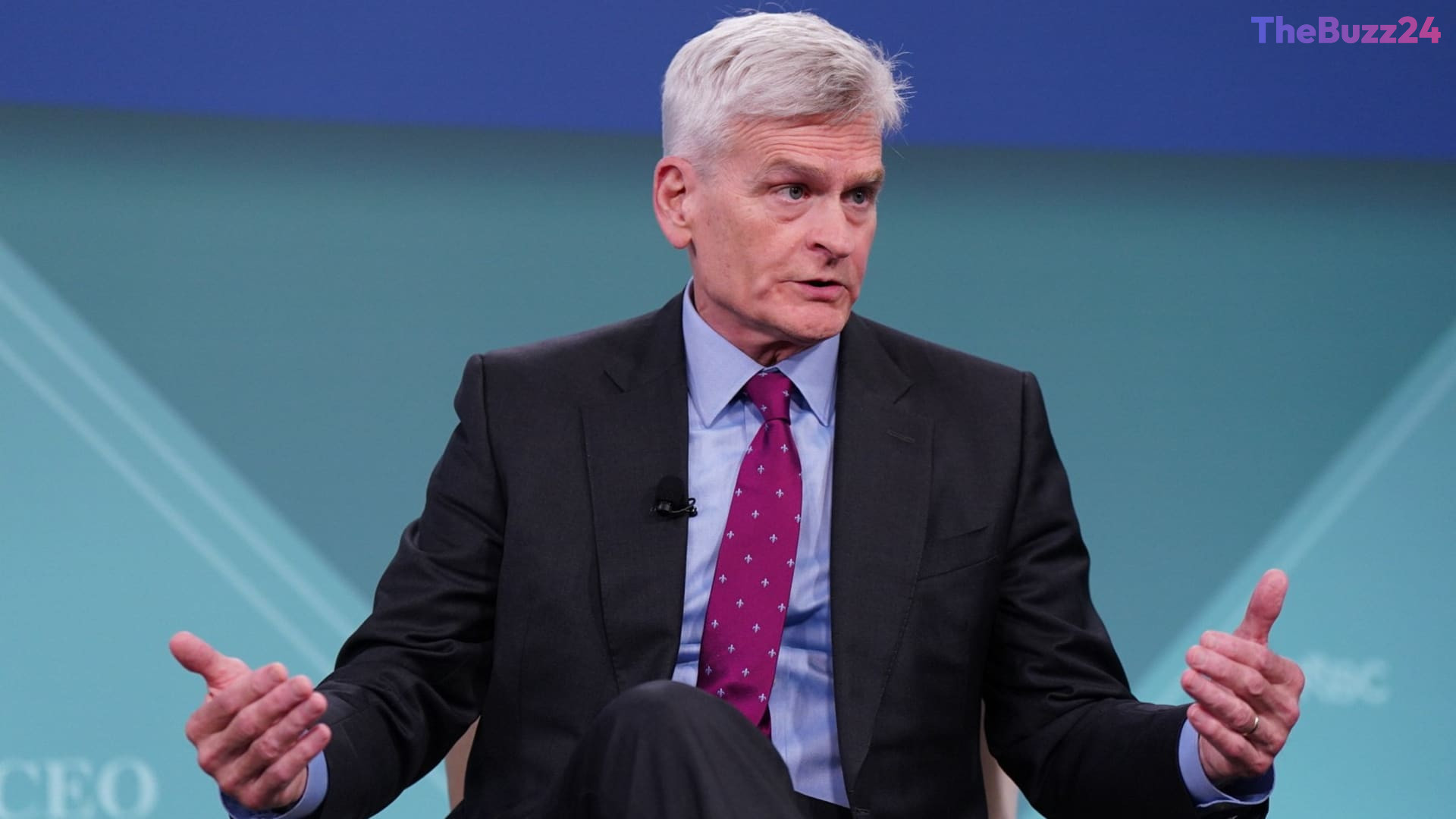
In a significant bipartisan challenge to executive authority, U.S. Senators Bill Cassidy (R-LA) and Cory Booker (D-NJ) have filed a joint amicus brief targeting the controversial “anti-weaponization” fund established under the Trump administration. The lawmakers labeled the $1.8 billion fund a “dire threat” to the constitutional balance of power, arguing that it directly undermines Congress’s exclusive authority over federal spending. The legal filing comes amid heightened scrutiny over the fund’s origins and its potential to bypass legislative oversight.
The controversial fund was initially conceived as part of an out-of-court settlement resolving Donald Trump’s $10 billion lawsuit against the Internal Revenue Service regarding the unauthorized leak of his tax returns. Under the agreement, the Justice Department established the multi-billion-dollar pool to compensate individuals deemed victims of politically motivated prosecutions, or “lawfare.” However, critics and lawmakers argue that the mechanism violates the Spending, Appropriations, and Appointments clauses of the Constitution. Furthermore, the brief warns that the fund could be used to financially compensate individuals convicted of participating in the January 6, 2021, Capitol riot, which the senators described as an unacceptable subsidization of attacks on democratic processes.
Despite the ongoing legal battle in a Virginia court, the future of the fund remains highly uncertain. Acting Attorney General Todd Blanche recently testified before Congress that the Justice Department has permanently abandoned the initiative and will not seek to implement it, regardless of how the court rules. However, Donald Trump appeared to contradict this stance during a recent press briefing, stating he was unsure if the fund was permanently “dead” or merely “on hold.” Meanwhile, Congress is actively considering legislative amendments to a budget reconciliation bill that would permanently dismantle the fund, ensuring it cannot be revived by future administrative actions.
Key Takeaways
- Senators Bill Cassidy and Cory Booker filed a bipartisan amicus brief calling the $1.8 billion 'anti-weaponization' fund a direct threat to congressional authority.
- The fund, born from a settlement over Donald Trump's leaked tax returns, is accused of violating constitutional spending clauses and potentially funding January 6 rioters.
- While the Justice Department claims to have permanently abandoned the fund, lawmakers are pushing for permanent legislative termination to prevent future revival.
Editor’s Analysis & Impact
The bipartisan pushback against the ‘anti-weaponization’ fund highlights a critical constitutional battleground over the ‘power of the purse.’ By bypassing traditional congressional appropriations, the creation of this fund set a dangerous precedent for executive overreach. Senator Cassidy’s participation is particularly notable; having recently lost a primary runoff and facing no future electoral pressure, his willingness to challenge the administration signals a broader, albeit quiet, apprehension among Senate Republicans regarding executive unilateralism. While Acting Attorney General Todd Blanche’s testimony suggests the Justice Department is backing down, the discrepancy between DOJ statements and Donald Trump’s public comments underscores ongoing internal friction. Ultimately, this dispute will likely reinforce the judiciary’s role in policing the boundaries of executive settlements, while prompting Congress to tighten legislative controls on how federal agencies resolve high-profile civil disputes.
Frequently Asked Questions
Q: What is the 'anti-weaponization' fund?
A: It is a $1.8 billion legal relief fund established by the Justice Department as part of a settlement resolving Donald Trump's lawsuit against the IRS over leaked tax returns. It was intended to compensate individuals targeted by what the administration terms 'lawfare.'
Q: Why are senators opposing the fund?
A: Senators argue the fund violates the U.S. Constitution by bypassing Congress's exclusive authority to appropriate federal money. They also raise concerns that it could be used to financially reward individuals convicted in the January 6 Capitol riot.
Q: Is the fund still active?
A: A Virginia court temporarily halted the fund in May. Additionally, the Acting Attorney General testified that the Justice Department has permanently abandoned the initiative, though Congress is still seeking legislative measures to ensure it is completely eliminated.
AI Disclosure: This article is based on verified data and official reports. Our Team and AI have cross-referenced every financial detail with primary sources to ensure total accuracy.
More from this Category