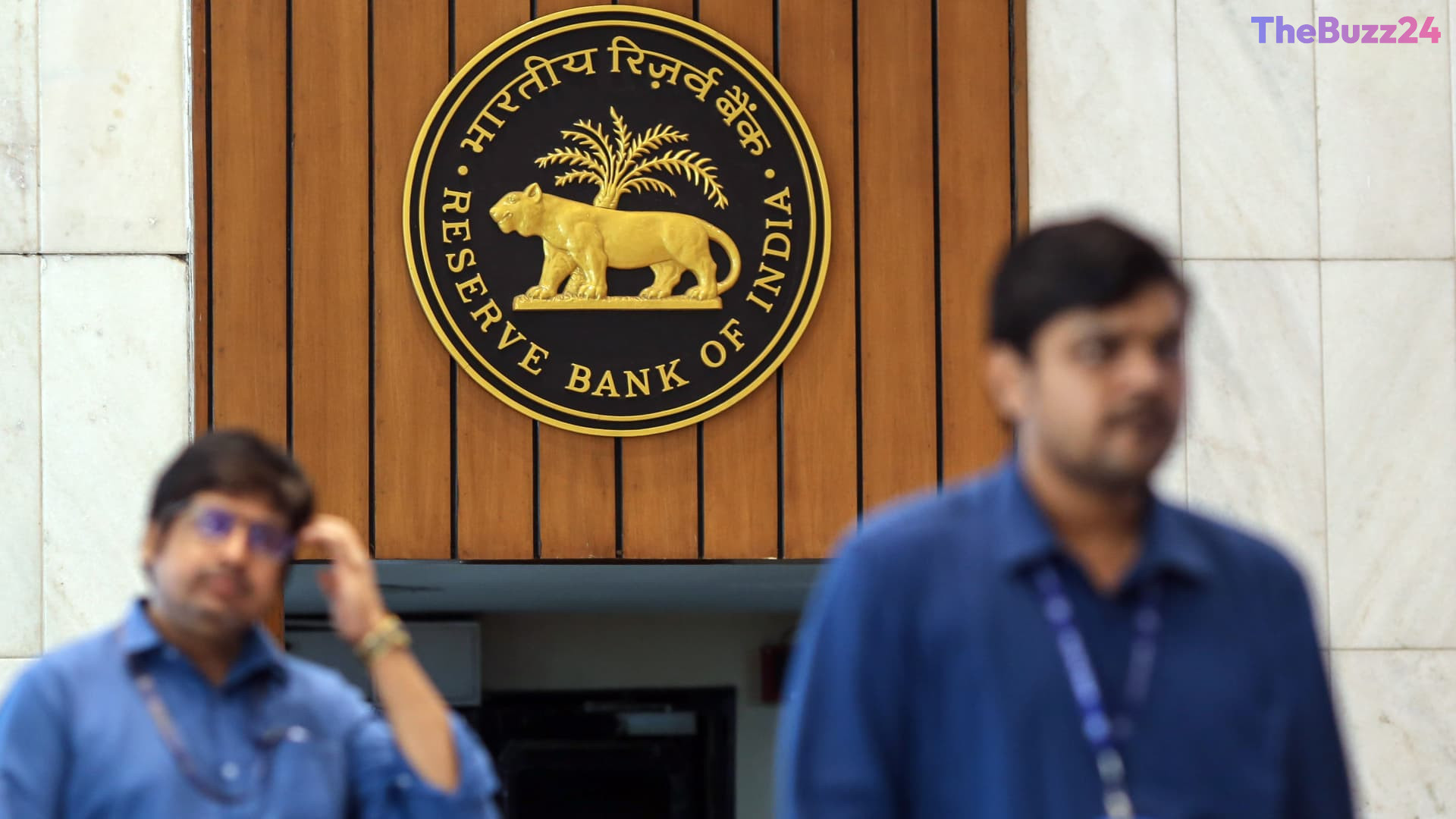
Reserve Bank of India Holds Rates Steady Amid Inflation Concerns and Geopolitical Instability
The Reserve Bank of India (RBI) has opted to maintain its benchmark interest rate at 5.25%, signaling a cautious approach as the nation navigates a complex economic landscape. The decision comes as rising global energy costs, exacerbated by the ongoing conflict in the Middle East, place significant upward pressure on domestic inflation and weigh heavily on the value of the rupee.
In a revised outlook, the central bank increased its inflation projection for the fiscal year ending in March 2027 by 50 basis points to 5.1%. Simultaneously, the RBI lowered its economic growth forecast for the same period to 6.6%, down from the previous estimate of 6.9%. Governor Sanjay Malhotra noted that the global economic environment remains clouded by geopolitical tensions, which continue to disrupt supply chains and inflate energy prices.
To combat the weakening rupee, which has declined more than 6% against the dollar this year, the Indian government has implemented several defensive measures. These include raising import duties on gold to preserve foreign exchange reserves and encouraging citizens to reduce fuel consumption and overseas travel. Despite these efforts, the economy faces additional headwinds, including potential agricultural disruptions linked to El Nino, which could further drive up food prices and complicate the central bank’s efforts to keep inflation within its 4% target.
Key Takeaways
- The Reserve Bank of India maintained interest rates at 5.25% while adopting a more cautious monetary policy stance.
- Inflation projections were raised to 5.1%, while the economic growth forecast was trimmed to 6.6% due to global energy price volatility.
- The Indian government is actively intervening to support the rupee, including curbing gold imports and managing foreign exchange reserves.
Editor’s Analysis & Impact
The RBI’s decision to hold rates reflects a delicate balancing act between supporting a slowing economy and curbing persistent inflationary pressures. The ‘hawkish’ undertone suggests that policymakers are preparing for potential future hikes if energy prices remain elevated or if the rupee continues its slide. The broader implication is that India, despite being one of the world’s fastest-growing major economies, is highly vulnerable to external shocks, particularly in the energy sector. The looming threat of El Nino-related crop shortages adds a layer of domestic risk that could force the central bank to prioritize price stability over growth. Investors should expect continued volatility in the rupee and potential shifts in fiscal policy as the government attempts to shield the economy from external geopolitical headwinds.
Frequently Asked Questions
Q: Why did the Reserve Bank of India lower its growth forecast?
A: The growth forecast was lowered to 6.6% primarily due to the negative impact of rising global energy prices and supply chain disruptions caused by geopolitical instability in the Middle East.
Q: What measures is the Indian government taking to protect the rupee?
A: The government has taken steps to defend the currency by selling dollars through state-run banks, raising import duties on gold to conserve foreign exchange, and urging citizens to reduce fuel consumption and overseas travel.
AI Disclosure: This article is based on verified data and official reports. Our Team and AI have cross-referenced every financial detail with primary sources to ensure total accuracy.
More from this Category