NASA Identifies Critical Failures Behind Major Deep Space Antenna Mishap
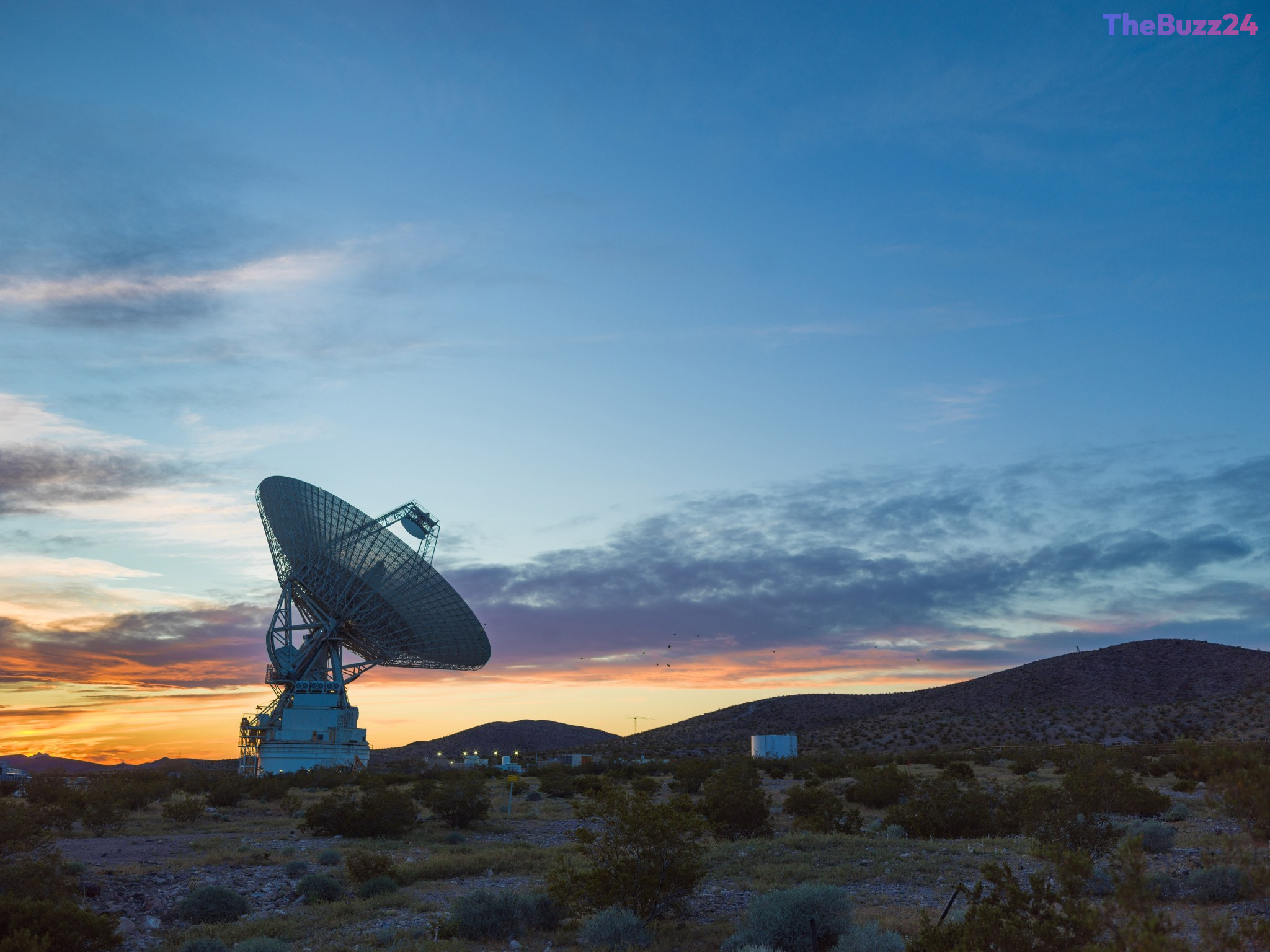
NASA has concluded a comprehensive investigation into a significant equipment failure involving the Deep Space Station 14 (DSS-14) antenna at the Goldstone Deep Space Communications Complex in California. The incident, which occurred in September 2025, resulted in the antenna over-rotating during a tracking operation for the Juno mission. The mechanical error caused severe structural stress, damaged fire-suppression water lines, and led to substantial flooding within the facility. While no personnel were injured, the agency has classified the event as a Type A mishap due to the high cost of damages, estimated between $4.1 million and $4.6 million.
The investigation board identified a combination of technical and human factors that led to the failure. A preceding electrical issue caused the antenna’s control system to misreport its rotation state, which went undetected by operators. During troubleshooting, manual overrides inadvertently bypassed critical safety safeguards. Furthermore, investigators discovered that the antenna’s final mechanical safeguard—a hydraulic limit system—was already inoperable due to an undocumented prior incident and a lack of proper testing. The report also highlighted a problematic workplace culture at the Goldstone site that pressured staff to prioritize operational speed over adherence to formal procedures.
In response to these findings, NASA is implementing a series of corrective measures to standardize training and operational discipline across its global Deep Space Network. The agency is currently rebuilding core in-house capabilities and updating control logic to prevent similar occurrences. The DSS-14 antenna will remain offline for the duration of its scheduled maintenance and upgrade cycle, which is expected to conclude in October 2028. Despite the loss of this specific asset, NASA maintains that the broader network, supported by 13 other antennas in California, Spain, and Australia, continues to provide uninterrupted coverage for over 40 active space missions.
Key Takeaways
- The DSS-14 antenna failure was caused by a mix of software errors, bypassed safety protocols, and an inoperable mechanical limit system.
- The incident highlighted a localized workplace culture issue at the Goldstone facility that prioritized speed over safety procedures.
- Repairs and upgrades are underway, with the antenna expected to return to service by October 2028, while the rest of the Deep Space Network remains fully operational.
Editor’s Analysis & Impact
The DSS-14 incident serves as a stark reminder of the fragility of critical infrastructure in deep space exploration. As NASA and other space agencies increase the frequency of missions, the reliance on aging ground-based communication networks becomes a significant bottleneck. The investigation reveals that even with advanced technology, human factors and organizational culture remain the most common points of failure. The move to standardize procedures across global sites is a necessary evolution to ensure the resilience of the Deep Space Network. Moving forward, the industry must balance the pressure for high-tempo mission support with the rigorous maintenance of legacy hardware. The financial and operational impact of this mishap underscores the need for better documentation and automated safety systems that cannot be easily bypassed by human intervention, ensuring that planetary defense and scientific data collection remain secure.
Frequently Asked Questions
Q: Will the damage to the DSS-14 antenna affect current space missions?
A: No. NASA has confirmed that the Deep Space Network's 13 other antennas located in California, Australia, and Spain are successfully handling all tracking needs for the more than 40 active missions.
Q: What was the primary cause of the antenna over-rotation?
A: The investigation found that a combination of software errors, an undetected electrical issue, and the bypassing of safety safeguards by operators led to the incident, compounded by a pre-existing failure in the antenna's hydraulic limit system.
AI Disclosure: This article is based on verified data and official reports. Our Team and AI have cross-referenced every financial detail with primary sources to ensure total accuracy.
More from this Category