Beyond the Giants: How a New Wave of Boutique Social Apps is Challenging Big Tech
For over a decade, the global social media landscape has been dominated by a handful of tech conglomerates, including Meta, ByteDance, and Google. However, a quiet revolution is underway as a new generation of boutique social applications emerges. These platforms are intentionally moving away from algorithmic feeds and massive, public-facing networks, focusing instead on privacy, niche interests, and intimate, high-quality connections. This shift is particularly popular among Gen Z users, who are increasingly seeking alternatives to traditional, ad-heavy platforms.
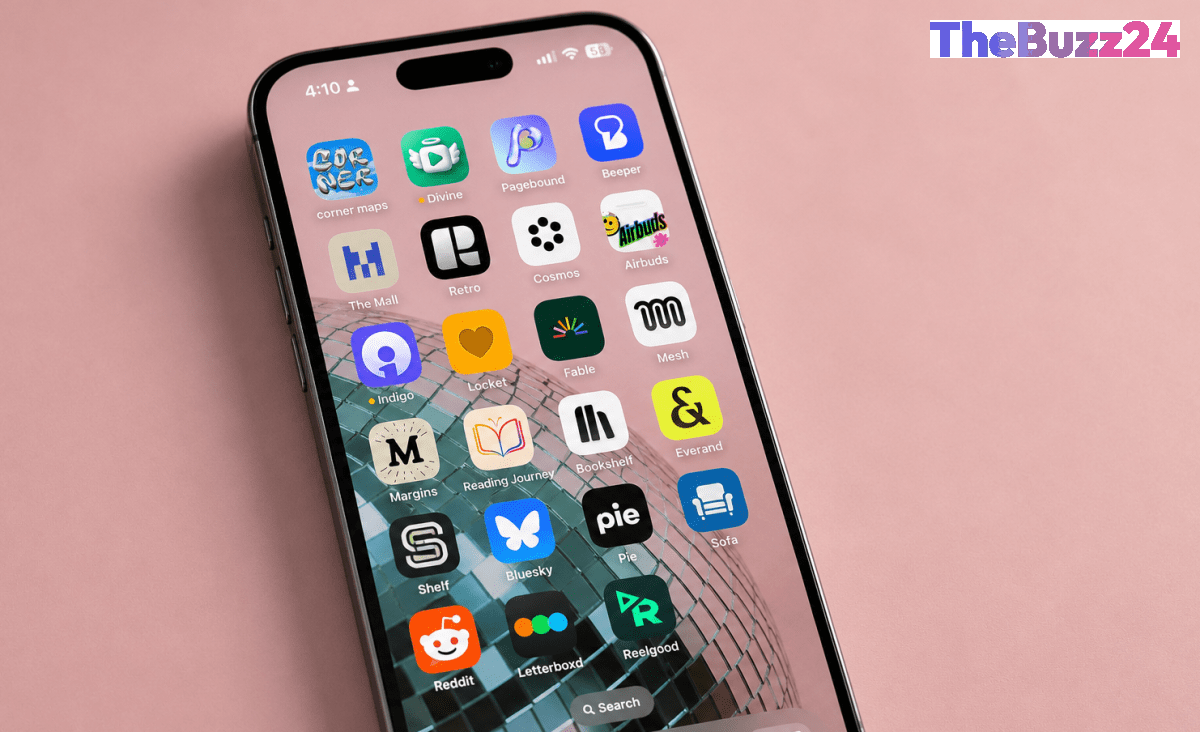
Among the frontrunners of this movement are apps like Retro and Cosmos. Developed by former Instagram team members, Retro prioritizes private photo-sharing with close friends, offering customizable privacy controls and memory-focused features. Meanwhile, Cosmos serves as an aesthetic, AI-free alternative to Pinterest, allowing creative users to curate inspiration, collaborate on collections, and shop for products based on personal taste. For those seeking to escape the polarization of mainstream microblogging, Indigo offers a unified interface that allows users to cross-post and interact simultaneously across decentralized networks like Mastodon and Bluesky.
Other platforms are reimagining utility and nostalgia. Corner functions as a socialized version of digital mapping, enabling users to curate and share highly specific local recommendations, such as indie bookstores or unique nightlife spots. Nostalgia also plays a major role with Divine, a reboot of the beloved short-form video app Vine. Backed by Twitter co-founder Jack Dorsey’s nonprofit, Divine hosts archived Vine content while allowing creators to produce new six-second videos. In the professional and personal organization space, Mesh (acquired by Automattic) acts as an advanced personal CRM, tracking network updates across LinkedIn and X to help users maintain meaningful professional relationships.
The trend extends deeply into media consumption and lifestyle. Fable offers a collaborative digital book club experience integrated with extensive ebook libraries, while Locket brings friends directly to the user’s home screen via live photo widgets. In music, Airbuds has successfully gamified social music-sharing, allowing friends to react to and quiz each other on their streaming habits. Finally, platforms like The Mall and Shelf focus on taste-making; The Mall transforms online fashion shopping into a shared social experience, while Shelf provides a private-by-default space for users to catalog their favorite media and discover what their inner circle is enjoying.
Key Takeaways
- A growing ecosystem of independent social apps is challenging the dominance of Big Tech by focusing on privacy, curation, and close-knit communities.
- Gen Z and younger demographics are driving the adoption of these niche platforms, seeking refuge from algorithmic fatigue and AI-generated content.
- New applications are successfully targeting specific verticals, including decentralized microblogging, social mapping, music sharing, and collaborative reading.
Editor’s Analysis & Impact
The rise of boutique social applications signals a profound shift in consumer behavior, moving away from the ‘town square’ model of massive public networks toward ‘cozy campfires’ of intimate digital spaces. For years, platforms like Instagram and TikTok maximized user engagement through algorithmic optimization, often at the expense of genuine human connection. This new wave of startups proves there is a viable market for ad-free, privacy-first, and highly curated experiences. While these platforms may never achieve the multi-billion-user scale of Meta, their monetization strategies—often relying on subscriptions, curated e-commerce, or strategic partnerships (such as Fable’s tie-up with Scribd)—suggest a more sustainable, community-focused business model. For brands and marketers, this fragmentation means reaching audiences will require navigating highly specialized, authentic communities rather than relying solely on broad programmatic advertising.
Frequently Asked Questions
Q: Why are users moving away from traditional social media platforms?
A: Many users, particularly younger generations, are experiencing fatigue from algorithmic feeds, invasive advertising, AI-generated content, and the pressure of maintaining public-facing profiles. They are seeking smaller, more private spaces that foster genuine connection and niche interest sharing.
Q: What is the decentralized social media trend mentioned in the article?
A: Decentralized social media refers to networks like Mastodon and Bluesky that operate on open protocols rather than being controlled by a single corporation. Apps like Indigo help users navigate this space by allowing them to manage accounts on multiple decentralized networks from a single interface.
Q: How do these new apps protect user privacy compared to Big Tech?
A: Many of these next-generation apps, such as Retro and Shelf, are designed with privacy-first architectures. They often feature private-by-default settings, limit public searchability, and avoid data-harvesting business models, focusing instead on direct user-to-user sharing.
AI Disclosure: This article is based on verified data and official reports. Our Team and AI have cross-referenced every financial detail with primary sources to ensure total accuracy.
More from this Category