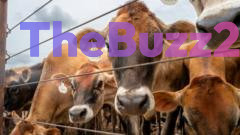
Canada Shuts Border to Texas Cattle Amid Flesh-Eating Parasite Scare
Canada has implemented a temporary ban on livestock originating from the U.S. state of Texas following the detection of flesh-eating screwworms in young cattle. The Canadian Food Inspection Agency (CFIA) announced that any cattle or horses that have been in Texas within the 21 days preceding their attempted entry into Canada will be refused. This measure aims to prevent the potential introduction of the destructive parasite into the Canadian livestock population.
The decision by Canadian authorities comes in the wake of confirmed cases in Texas, a major hub for U.S. beef and cattle production. The U.S. Department of Agriculture (USDA) reported the discovery of the parasite in a second calf in the state, prompting Texas Governor Greg Abbott to declare a state of disaster. Governor Abbott highlighted the “imminent threat” posed by the outbreak, warning of potential spread throughout the summer months.
The New World Screwworm is a parasitic fly whose larvae infest open wounds on warm-blooded animals, including humans. The larvae feed on living flesh, causing severe damage and potentially leading to the host’s death if left untreated. The initial case in Texas, the first in 60 years, was found in a calf near the Mexican border. A subsequent case was identified shortly after in a different county, within a designated control zone where quarantines and surveillance measures have been put in place by the USDA.
While Canadian officials believe the parasite is unlikely to thrive in their country’s colder climate, they are advising farmers to remain vigilant. Livestock producers are urged to monitor their animals for any wounds exhibiting discharge or foul odors, symptoms that could indicate screwworm infestation. Residents who have traveled to Texas with pets are also encouraged to check their animals for signs of the parasite. The ban underscores the significant economic and agricultural implications of the screwworm outbreak, impacting cross-border trade between the two nations.
Key Takeaways
- Canada has imposed a temporary ban on livestock imports from Texas due to the discovery of flesh-eating screwworms.
- The ban affects cattle and horses that have been in Texas within the last 21 days.
- Texas has declared a state of disaster as the parasitic outbreak poses an "imminent threat" to the agricultural industry.
Editor’s Analysis & Impact
This screwworm outbreak and Canada’s swift border action highlight the interconnectedness of global agriculture and the critical need for robust biosecurity measures. The economic impact on Texas cattle producers could be significant, potentially affecting trade flows and market prices. The U.S. strategy of releasing sterile flies, while innovative, faces scrutiny, suggesting that containment could be a prolonged challenge. This situation underscores the vulnerability of agricultural systems to parasitic threats and the importance of international cooperation in managing transboundary animal diseases. The long-term outlook depends on the effectiveness of U.S. control measures and the potential for the parasite to adapt or spread.
Frequently Asked Questions
Q: What is the New World Screwworm?
A: The New World Screwworm is a parasitic fly. Its females lay eggs in open wounds of living animals and people. When the eggs hatch, the larvae burrow into and feed on the host's flesh, which can be fatal if untreated.
Q: Why is Canada banning Texas cattle?
A: Canada is banning livestock from Texas to prevent the introduction of the flesh-eating screwworm parasite, which has been detected in calves in the U.S. state. This is a precautionary measure to protect Canadian animal health and agriculture.
Q: How are U.S. officials trying to combat the screwworm outbreak?
A: U.S. officials are employing a multi-pronged approach that includes releasing millions of genetically altered sterile flies to disrupt the parasite's reproduction cycle. They are also using sniffer dogs to detect the parasite in cattle and implementing quarantines and movement controls in affected areas.
AI Disclosure: This article is based on verified data and official reports. Our Team and AI have cross-referenced every financial detail with primary sources to ensure total accuracy.
More from this Category