The Legacy of the Iran Nuclear Deal and the High-Stakes Quest for a New Agreement
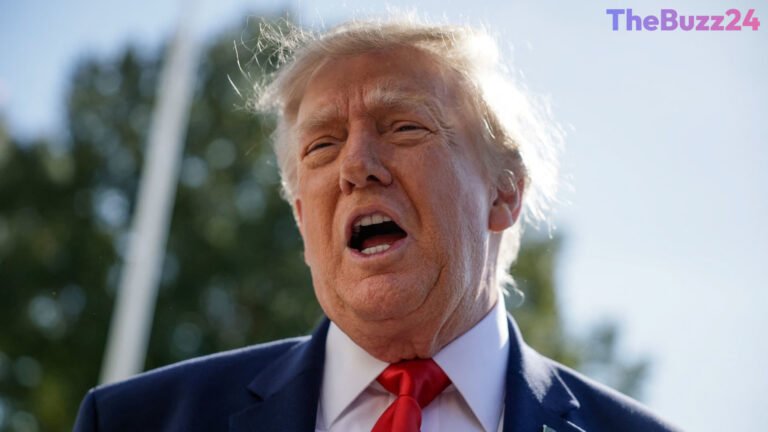
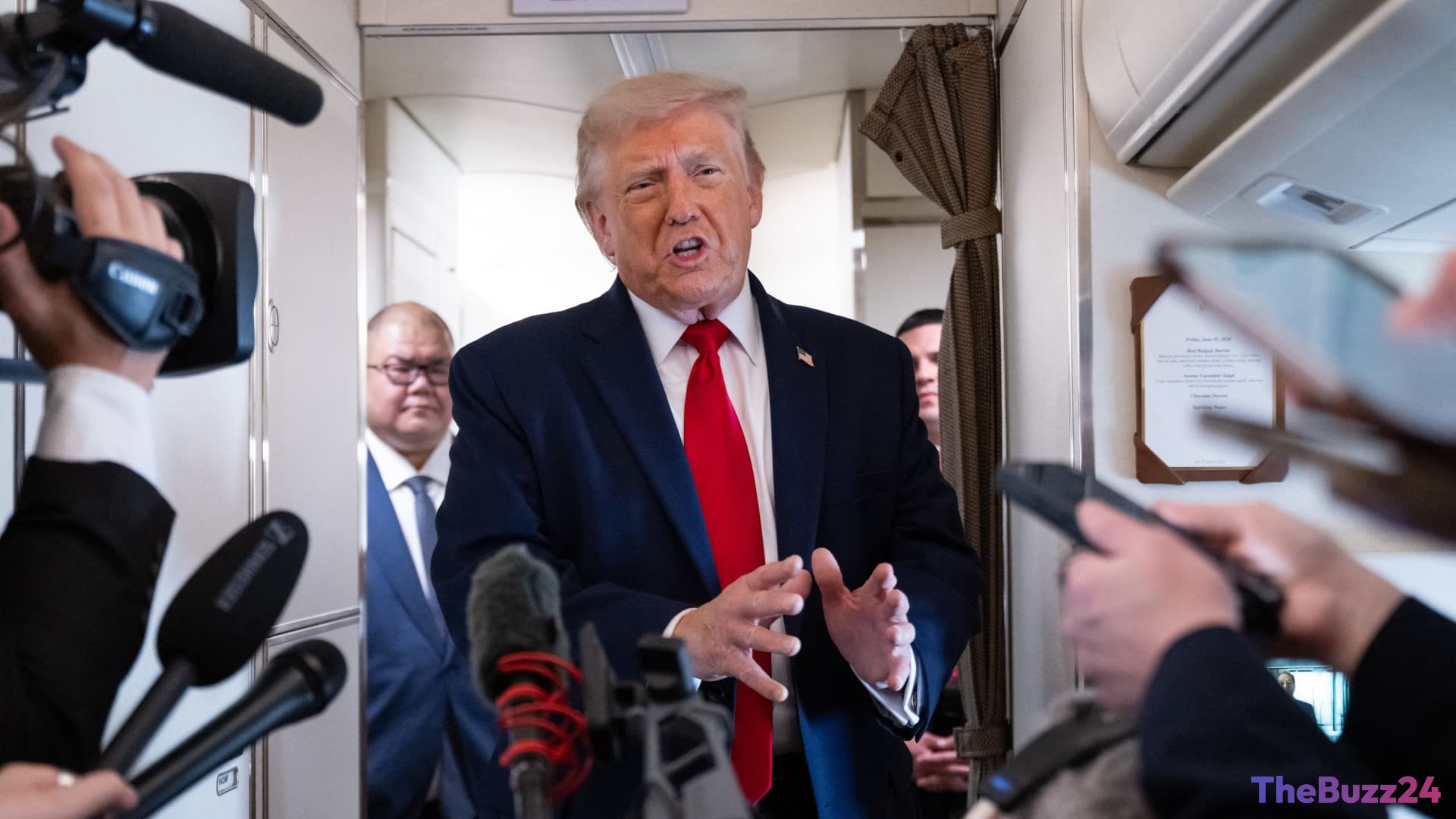
The ongoing debate over the Joint Comprehensive Plan of Action (JCPOA), commonly known as the 2015 Iran nuclear deal, remains a central focus of international diplomacy. Donald Trump has maintained strong criticism of the Obama-era pact, from which he withdrew the United States in 2018. Trump continues to assert that any future agreement negotiated under his leadership will far surpass the original deal, which he has repeatedly characterized as highly flawed and ineffective in permanently halting Iran’s nuclear ambitions.
The original JCPOA was established in 2015 by an international coalition including the U.S., France, the United Kingdom, China, Russia, and Germany. It aimed to curb Iran’s nuclear capabilities by limiting its uranium enrichment to 3.67% and implementing unprecedented verification and inspection protocols. In exchange, the international community conditionally lifted heavy economic sanctions. Proponents of the deal, including former U.S. Energy Secretary Ernest Moniz and nonproliferation experts like Kelsey Davenport, argue that the agreement successfully halted Iran’s progress toward nuclear weapons and established the most intrusive monitoring regime ever negotiated.
Critics of the 2015 agreement, however, pointed to its “sunset provisions”—under which certain restrictions would eventually expire—and its failure to address Iran’s ballistic missile program or its regional influence. Following the U.S. withdrawal in 2018, Iran began breaching the established limits, significantly increasing its uranium enrichment levels and reducing transparency. Recent assessments indicate that Iran’s stockpile of enriched uranium has grown substantially, with some material enriched up to 60%, bringing the nation closer to weapons-grade capabilities.
As negotiations for a replacement deal remain stalled, experts warn that the geopolitical landscape has shifted dramatically since 2015. Any new diplomatic framework will have to address the technological advancements Iran has achieved in the interim, as well as the heightened distrust between the negotiating parties. While the promise of a superior deal remains a central talking point, the path to achieving a verifiable and lasting nonproliferation agreement is increasingly complex.
Key Takeaways
- The 2015 JCPOA successfully limited Iran's uranium enrichment and established highly intrusive monitoring protocols before the U.S. withdrew in 2018.
- Since the U.S. exit, Iran has significantly ramped up its nuclear activities, enriching uranium up to 60% and reducing compliance with international inspectors.
- Experts warn that negotiating a new agreement is far more challenging today due to Iran's technological advancements and a lack of recent oversight.
Editor’s Analysis & Impact
The collapse of the JCPOA and the subsequent escalation of Iran’s nuclear program have profound implications for global security and energy markets. Without a stable diplomatic framework, the risk of a nuclear arms race in the Middle East remains high, threatening regional stability and critical trade routes. For global markets, persistent tensions and the threat of expanded sanctions on Iranian oil continue to inject volatility into energy pricing. Furthermore, the difficulty in securing a new deal underscores a broader shift in international diplomacy, where multilateral agreements are increasingly fragile. Moving forward, any successful negotiation will require addressing not only nuclear capabilities but also advanced technologies and regional security dynamics, making a comprehensive resolution highly elusive in the current geopolitical climate.
Frequently Asked Questions
Q: What was the primary goal of the 2015 Iran nuclear deal (JCPOA)?
A: The primary goal was to prevent Iran from developing nuclear weapons by placing strict limits on its uranium enrichment and nuclear infrastructure, in exchange for lifting international economic sanctions.
Q: Why did the United States withdraw from the agreement in 2018?
A: The Trump administration withdrew from the deal arguing that it was fundamentally flawed, pointing to the expiration dates of certain restrictions (sunset clauses) and its failure to address Iran's ballistic missile program and regional activities.
Q: What is the current status of Iran's nuclear program?
A: Since the U.S. withdrawal, Iran has breached several limits of the JCPOA, including enriching uranium up to 60% (close to the 90% weapons-grade threshold) and restricting international monitoring and inspections.
AI Disclosure: This article is based on verified data and official reports. Our Team and AI have cross-referenced every financial detail with primary sources to ensure total accuracy.
More from this Category