Nigeria Unveils Historic Military Expansion to Combat Escalating Security Threats
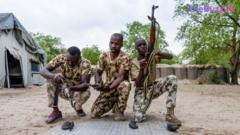
In response to escalating security challenges across the nation, Nigerian President Bola Tinubu has authorized the largest expansion of the country’s armed forces in recent history. The comprehensive defense plan includes the recruitment of 28,000 additional soldiers and the establishment of four new army divisions, raising the national total to 12. Furthermore, three new army headquarters will be created across north-eastern and central Nigeria—regions that have faced heavy disruption from violent extremist groups, widespread banditry, and territorial clashes.
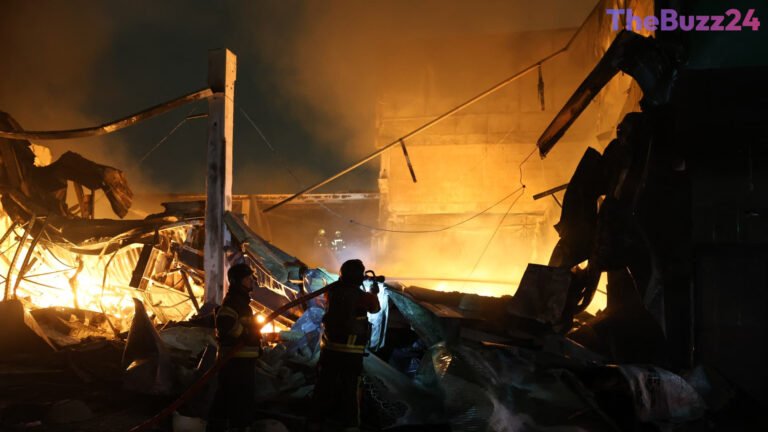
This structural overhaul is designed to eliminate operational bottlenecks, facilitate seamless intelligence sharing, and significantly improve military response times. Under the previous organizational system, existing divisions were forced to oversee expansive geographic zones stretching across multiple state lines, leaving troop deployments stretched thin against coordinated attacks. The urgency of the expansion is highlighted by recent security lapses, including lethal village raids in Zamfara state and high-profile abductions targeting educational institutions.
To fund this broad military buildup, the government has dedicated a record 5.41 trillion naira (approximately $4 billion) to the defense and security sector in its annual budget. In addition to expanding the army, plans are underway to recruit 50,000 new police officers. Issuing a direct warning to hostile networks operating within the borders, President Tinubu called on armed factions to surrender or face the complete capability of the state’s security apparatus.
While international counter-terrorism operations—including joint missions alongside U.S. forces—have succeeded in neutralizing high-ranking insurgent figures near the Lake Chad Basin, armed groups continue to adapt their tactics. Military analysts caution that attracting thousands of young recruits to the front lines may present a formidable obstacle given the heavy casualties sustained by military personnel in recent months. Nevertheless, officials remain focused on building a resilient defense infrastructure to bring lasting stability to the country.
Key Takeaways
- President Bola Tinubu approved the recruitment of 28,000 new soldiers and the creation of four additional army divisions, bringing the total to 12.
- The Nigerian government allocated a record 5.41 trillion naira ($4 billion) to defense and security alongside plans to enlist 50,000 new police officers.
- The expansion aims to optimize coordination and defense capabilities against violent groups, kidnap gangs, and insurgent networks operating nationwide.
Editor’s Analysis & Impact
Nigeria’s unprecedented defense expansion underscores the severe impact that chronic insecurity has had on the nation’s economic stability and public safety. Persistent threats from insurgent groups, kidnapping syndicates, and rural banditry have severely disrupted agricultural supply chains, deterred international investment, and constrained domestic trade. By channeling over $4 billion into defense spending and expanding troop density across central and northern sectors, the government is signaling a decisive stance toward restoring sovereign control. However, expanding personnel alone may not fully resolve the crisis. The long-term success of this strategy will rely on sustaining troop morale, modernizing intelligence infrastructure, addressing root socio-economic drivers of crime, and ensuring that regional command structures remain nimble against fluid, asymmetric tactics employed by armed non-state actors.
Frequently Asked Questions
Q: What are the key elements of Nigeria's military expansion?
A: The strategy includes enlisting 28,000 extra soldiers, establishing four new army divisions, creating three regional headquarters, recruiting 50,000 police officers, and investing 5.41 trillion naira ($4 billion) into the defense budget.
Q: Why is the Nigerian army expanding its division structure?
A: The creation of four new divisions and extra regional headquarters reduces the vast geographic territory previously assigned to individual military units, allowing for improved tactical coordination, faster emergency responses, and superior intelligence gathering.
Q: What primary security challenges is the Nigerian government trying to address?
A: The expanded military efforts aim to neutralize threats posed by militant Islamist insurgents, organized kidnapping gangs, regional separatists, and violent disputes between agricultural communities and pastoralists.
AI Disclosure: This article is based on verified data and official reports. Our Team and AI have cross-referenced every financial detail with primary sources to ensure total accuracy.
More from this Category