America’s Measles Crisis: A ‘Canary in the Coal Mine’ for Public Health Vulnerabilities
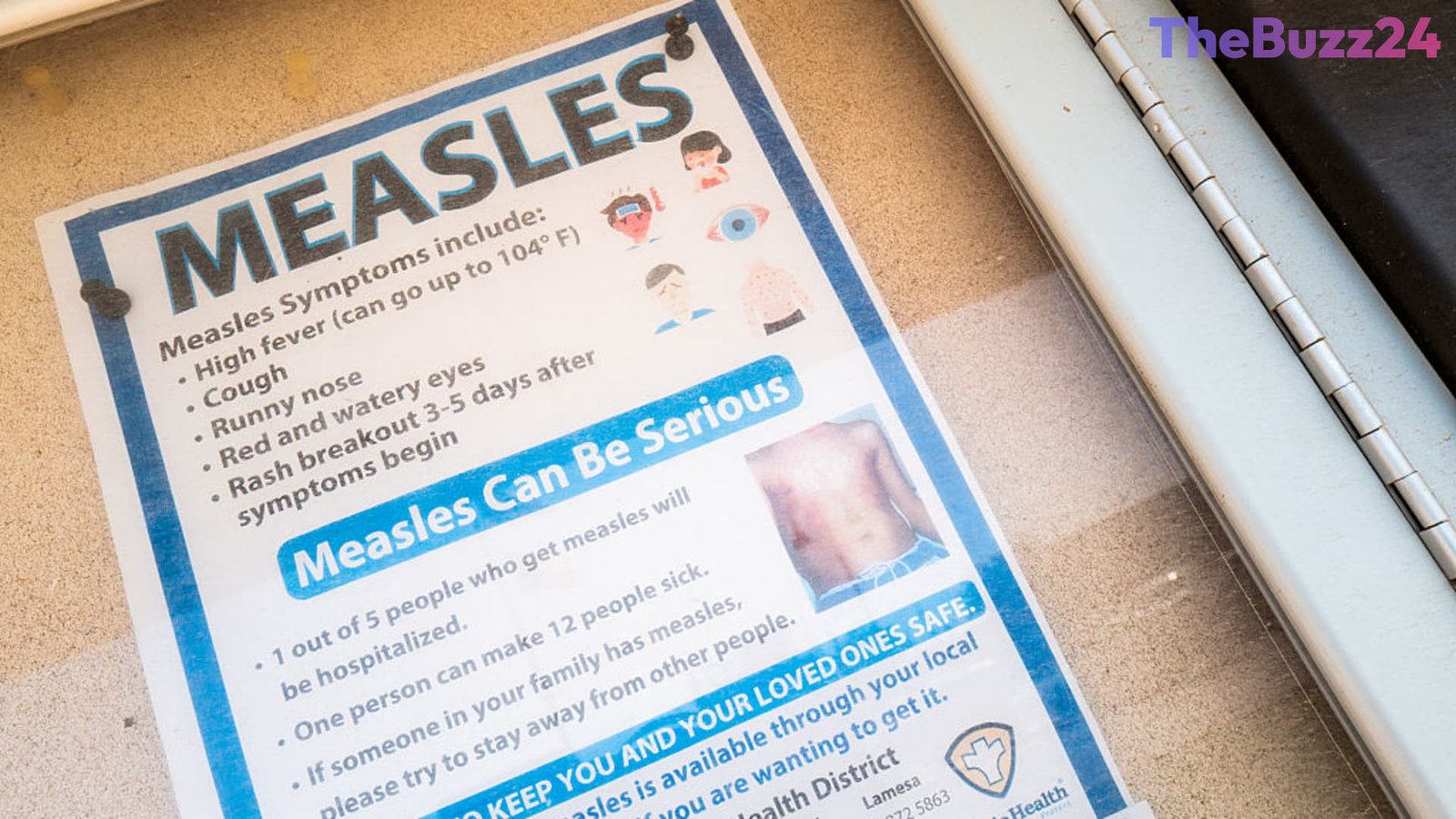
The United States is grappling with its most severe measles outbreak in over three decades, with more than 4,400 cases and at least three reported deaths nationwide this year. This alarming resurgence of a disease once declared eliminated has prompted public health experts to warn that it exposes critical weaknesses within the nation’s health infrastructure and a concerning decline in vaccination rates. The situation is viewed as a stark indicator of the challenges in safeguarding communities against infectious diseases, potentially complicating responses to future health crises, from other preventable illnesses to novel pathogens.
At the heart of the problem are declining immunization levels and an erosion of public trust in health institutions. Data from the Centers for Disease Control and Prevention (CDC) reveals that vaccination coverage for the measles, mumps, and rubella (MMR) shot among U.S. kindergarteners fell to 92.4% in the 2025-2026 school year, falling below the 95% threshold generally recommended to prevent sustained transmission. This translates to approximately 280,000 kindergarteners not completing their MMR series, compounded by a record high of 4.2% for childhood vaccination exemptions. While some cases originate from international travel, much of the recent spread is attributed to local transmission in communities with insufficient vaccination coverage, creating vulnerable pockets across the country.
The implications extend beyond the current measles outbreaks. The U.S. is on the verge of losing its official measles elimination status, a designation it achieved over two decades ago, during an upcoming review by the Pan American Health Organization. Furthermore, the decline in MMR vaccination rates mirrors similar drops for other childhood immunizations, including polio and diphtheria, tetanus, and acellular pertussis (DTaP). Experts caution that if current trends persist, diseases like rubella and polio, also once eliminated, could see a resurgence. A large-scale epidemiological model published in JAMA in April 2025 projected that under current state-level vaccination rates, measles could become endemic again, leading to an estimated 851,300 cases, 170,200 hospitalizations, and 2,550 deaths over 25 years.
This public health crisis also raises serious questions about the nation’s ability to detect and respond effectively to emerging threats. Public health infrastructure, already strained, faces further challenges from reduced funding and the departure of experienced personnel. Some analysts even suggest that the struggle to contain a known, vaccine-preventable disease could signal broader vulnerabilities in the U.S.’s biodefense strategy. While the specific dynamics of responding to a novel biological attack might differ, the current measles resurgence underscores the critical importance of robust surveillance, clear public communication, and sustained investment in public health to protect against whatever infectious challenges lie ahead.
Key Takeaways
- The U.S. is experiencing its worst measles outbreak in over three decades, driven by declining vaccination rates and eroding public trust.
- This resurgence threatens the country's measles elimination status and signals a broader vulnerability to other vaccine-preventable diseases like polio and pertussis.
- The situation highlights critical weaknesses in public health infrastructure and preparedness for future infectious disease threats, including potential biological attacks.
Editor’s Analysis & Impact
The measles resurgence places significant strain on public health resources and healthcare systems, potentially diverting funds from other critical areas. It could also impact vaccine confidence more broadly, affecting uptake rates for other essential immunizations. For pharmaceutical companies, while there might be a short-term increase in MMR vaccine demand, the overall erosion of trust could pose long-term challenges for public health campaigns and new vaccine introductions.
Without a substantial reversal in vaccination trends, the U.S. risks losing its measles elimination status and facing endemic measles once again. This scenario also increases the likelihood of other vaccine-preventable diseases re-emerging, leading to higher morbidity, mortality, and healthcare costs. The ability to effectively respond to novel pathogens will be severely hampered if foundational public health trust and infrastructure are not restored.
This crisis underscores a societal challenge in public health communication and trust, with potential ramifications for national security, as a weakened public health defense could be perceived as a vulnerability. It necessitates urgent policy interventions, increased investment in public health infrastructure, and renewed efforts to combat misinformation to rebuild community immunity and preparedness.
Frequently Asked Questions
Q: Why are measles cases increasing in the U.S.?
A: The primary reasons include declining vaccination rates among children, particularly kindergarteners, and an erosion of public trust in health institutions. Pockets of low vaccination coverage allow for local transmission, even if overall rates are still relatively high.
Q: What are the broader implications of the measles resurgence for public health?
A: Beyond measles itself, the resurgence signals a broader vulnerability to other vaccine-preventable diseases like polio and pertussis. It also highlights weaknesses in the nation's public health infrastructure and its ability to effectively detect and respond to future infectious disease threats, including novel pathogens and potential biological attacks.
AI Disclosure: This article is based on verified data and official reports. Our Team and AI have cross-referenced every financial detail with primary sources to ensure total accuracy.
More from this Category