Rosneft Chief Alleges US Benefits from Hormuz Closure, Warns of Global Energy Upheaval
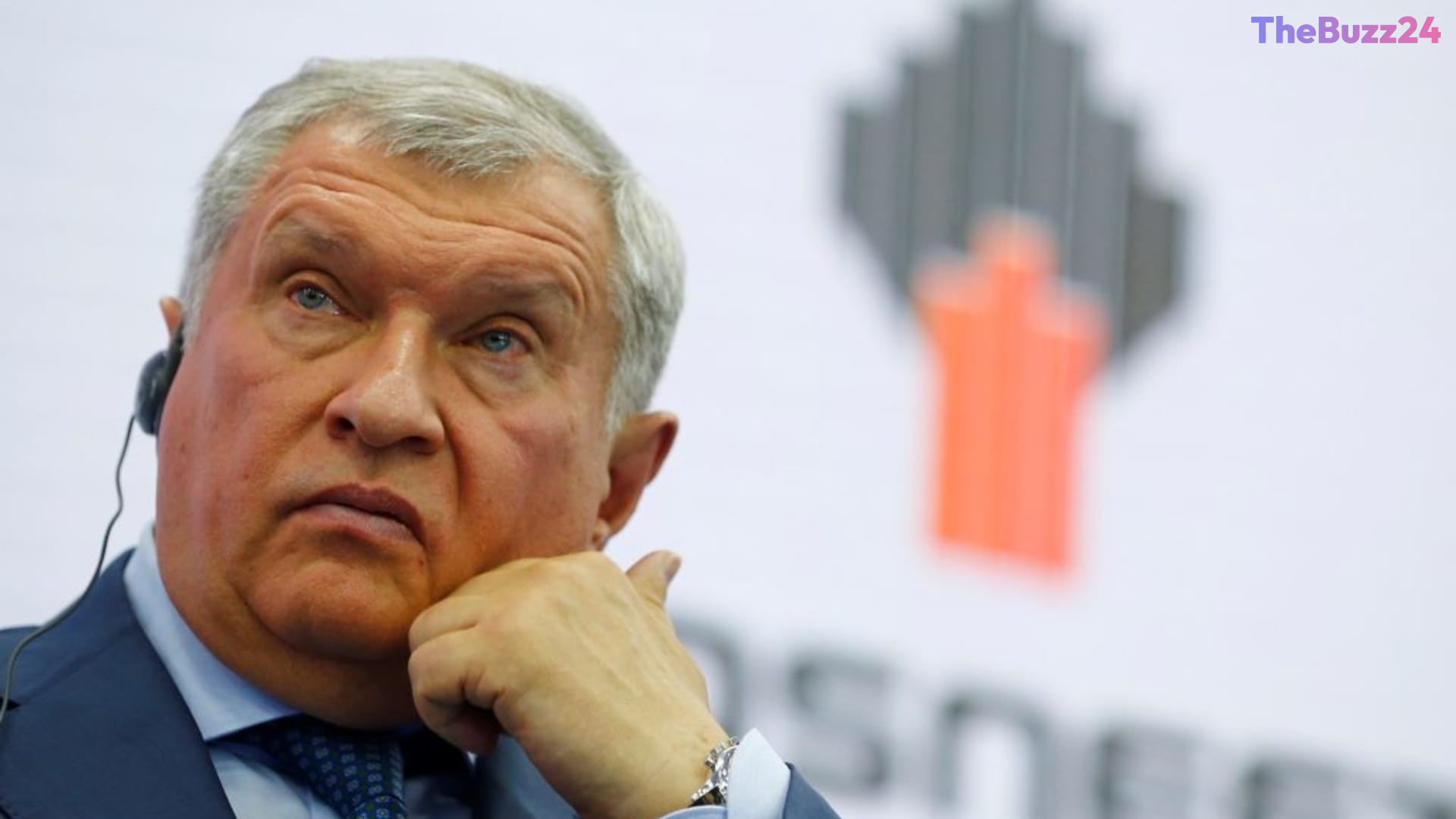
Igor Sechin, the Chief Executive of Russian energy giant Rosneft, has asserted that American energy companies are the primary beneficiaries of the ongoing closure of the Strait of Hormuz. Speaking at the St. Petersburg International Economic Forum, Sechin, a close confidant of President Vladimir Putin, cautioned that sustained tensions in this critical maritime artery, which facilitates the passage of one-fifth of the world’s crude oil, could ultimately erode long-term global oil demand. The Strait’s blockade by Iran followed a period of heightened hostilities, including alleged attacks by the United States and Israel on Iran and the killing of Supreme Leader Ayatollah Ali Khamenei, alongside a US blockade of Iranian ports.
Sechin characterized the actions taken by the United States as a deliberate attempt to fundamentally alter the global energy market landscape to serve American interests, suggesting that the strategic risks involved have been underestimated. He stated that the closure of the Strait of Hormuz, while ostensibly aimed at Iran, has inadvertently impacted the entire world, granting American companies what he termed “non-competitive advantages” and the ability to secure high-cost supplies. He further warned that prolonged instability in the Strait could not only undermine future oil demand but also catalyze a renewed global interest in alternative energy sources. This geopolitical backdrop has already contributed to a rally in global oil prices, boosting Russia’s oil and gas tax revenue by 32.4% year-on-year in May, reaching 678.9 billion roubles ($9.3 billion).
Looking beyond the immediate crisis, Sechin highlighted China’s superior preparedness for such disruptions due to its strategic state policies. He also raised concerns about the vulnerability of other vital global shipping lanes, including the Malacca, Bab El Mandeb, and Gibraltar straits, to similar disruptions. Predicting future oil prices, Sechin suggested that if the Strait of Hormuz reopens soon, prices could stabilize at $95-$96 per barrel by year-end, dropping to $80-$85 within a year, with a return to market fundamentals by the latter half of 2027.
Sechin also expressed skepticism regarding the effectiveness of the OPEC+ alliance, noting its diminished potential following the departure of the United Arab Emirates, Qatar, and other nations. He pointed out that the alliance’s production has significantly decreased over the past decade, from 58 to 37 million barrels per day. Despite most major OPEC+ members increasing production since the 2016 agreement, Russia’s oil production has fallen by 1.5 million barrels per day, a 15% decline that Sechin estimates will require at least 10 trillion rubles in necessary investments.
Key Takeaways
- Rosneft CEO Igor Sechin claims US energy companies are the primary beneficiaries of the Strait of Hormuz closure, gaining non-competitive advantages.
- Sechin warns that prolonged tensions in the Strait will undermine long-term global oil demand and could accelerate the shift towards alternative energy sources.
- The crisis highlights broader geopolitical instability, with Sechin expressing concerns about other major shipping routes and the diminished influence of the OPEC+ alliance.
Editor’s Analysis & Impact
Igor Sechin’s assertions underscore the profound geopolitical risks currently impacting global energy markets. His claim that the US benefits from the Hormuz closure, while controversial, highlights the strategic competition for energy dominance. The immediate market impact is likely continued price volatility and supply chain concerns, potentially driving up costs for consumers and industries worldwide. In the long term, Sechin’s warning about eroding oil demand and a surge in alternative energy interest suggests an acceleration of the energy transition, as nations seek to de-risk their energy security from volatile geopolitical flashpoints. This situation could also prompt a re-evaluation of global trade routes and strategic energy reserves, with significant implications for international relations and economic stability.
Frequently Asked Questions
Q: What is the Strait of Hormuz and why is it important?
A: The Strait of Hormuz is a narrow, strategically vital waterway connecting the Persian Gulf with the Gulf of Oman and the Arabian Sea. It is the world's most important oil transit chokepoint, through which approximately one-fifth of global crude oil supplies pass daily, making its closure or disruption a major threat to global energy markets.
Q: What are Igor Sechin's main allegations regarding the Strait of Hormuz closure?
A: Igor Sechin alleges that the closure of the Strait of Hormuz, stemming from US-Iran tensions, primarily benefits American energy companies by granting them non-competitive advantages and the ability to secure high-cost supplies. He views these actions as an attempt to reshape global energy markets to suit US interests.
Q: How might the ongoing tensions in the Strait of Hormuz affect global oil prices and demand?
A: Continued tensions in the Strait of Hormuz are expected to maintain upward pressure on global oil prices due to supply uncertainty. Sechin also warns that prolonged instability could undermine long-term oil demand as consumers and industries seek more stable and potentially alternative energy sources, accelerating the global energy transition.
AI Disclosure: This article is based on verified data and official reports. Our Team and AI have cross-referenced every financial detail with primary sources to ensure total accuracy.
More from this Category