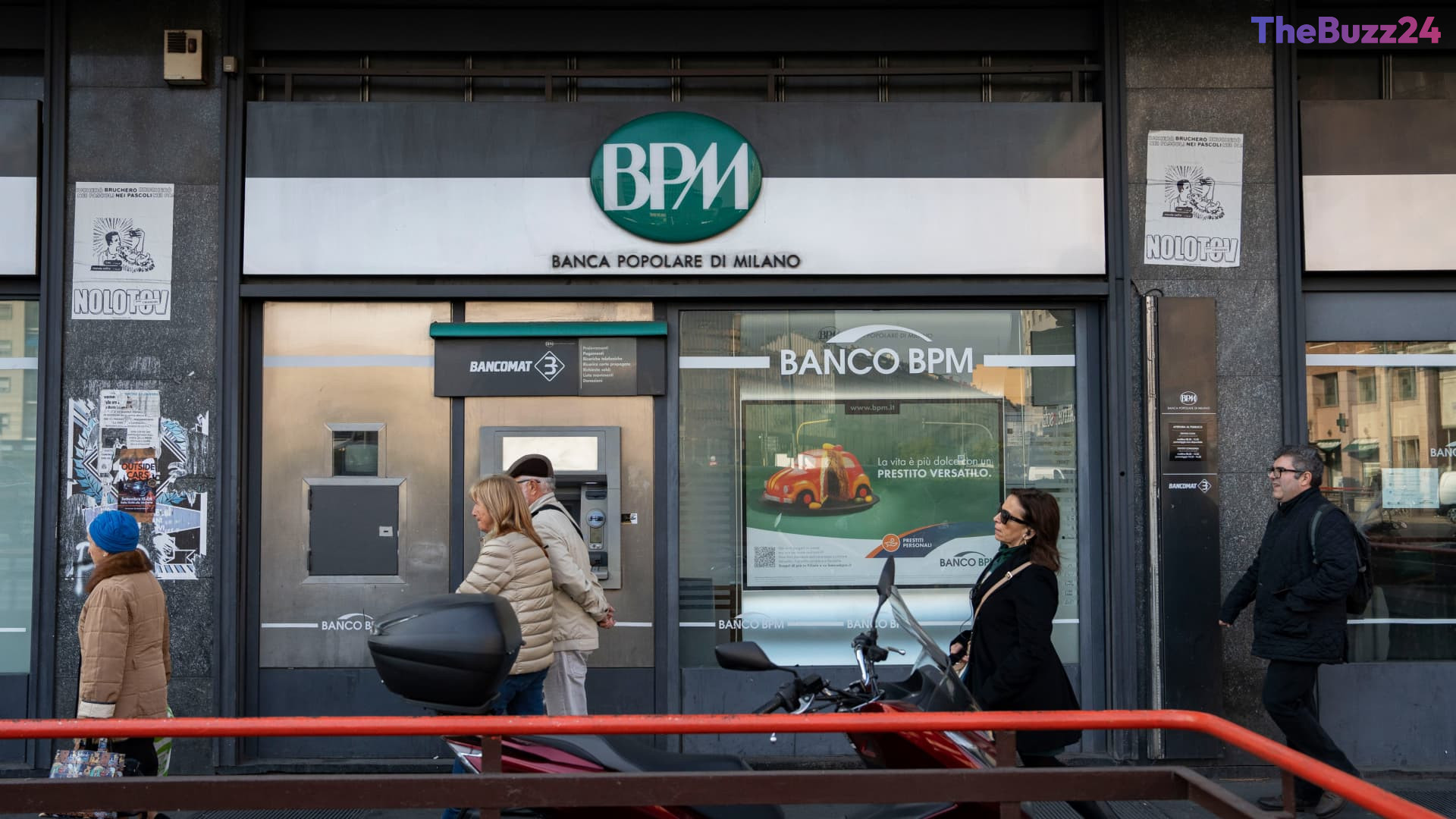
Banco BPM Proposes Mega-Merger with Monte dei Paschi di Siena to Reshape Italian Banking
Banco BPM has officially initiated a move to explore a potential merger with Banca Monte dei Paschi di Siena (MPS), a strategic play that would establish Italy’s second-largest banking institution. The proposed combination aims to surpass current market leaders and create a powerhouse with a valuation of approximately 50 billion euros ($58 billion) on the Milan stock exchange.
The board of Banco BPM, which counts Credit Agricole among its primary shareholders, has unanimously backed the proposal for a “merger of equals.” Projections from Banco BPM suggest that the integration could yield significant financial synergies, estimating an increase in earnings per share of over 10% and annual pre-tax benefits exceeding 1.1 billion euros. While specific structural details remain under wraps, the bank has emphasized that the deal is intended to provide both institutions with equal influence in the newly formed entity.
This development marks a potential turning point for the Italian financial sector, signaling a new wave of consolidation. The move follows a period of intense market activity, including a failed takeover attempt by UniCredit earlier in 2025. As MPS prepares to review the proposal during its upcoming board meeting, the industry is closely watching to see if this merger will successfully consolidate the domestic market and solidify the position of these two historic institutions against larger European competitors.
Key Takeaways
- Banco BPM has proposed a merger of equals with Monte dei Paschi di Siena to create Italy's second-largest banking group.
- The deal is projected to generate over 1.1 billion euros in annual pre-tax benefits and boost earnings per share by more than 10%.
- The proposal follows a period of significant M&A volatility in Italy, including a previously failed takeover bid by UniCredit.
Editor’s Analysis & Impact
The proposed merger between Banco BPM and MPS represents a critical consolidation effort within the Italian banking sector. By combining forces, these institutions aim to achieve the scale necessary to compete more effectively in a high-interest-rate environment and improve operational efficiency through substantial cost synergies. From a market perspective, this move signals a shift toward domestic consolidation as a defense mechanism against broader European banking integration. If successful, the merger will fundamentally alter the competitive landscape in Italy, potentially forcing other mid-sized banks to seek their own partnerships to remain relevant. However, the success of this deal hinges on regulatory approval and the ability of both boards to align their corporate cultures and operational structures, which have historically been distinct.
Frequently Asked Questions
Q: What is the primary goal of the proposed merger between Banco BPM and MPS?
A: The primary goal is to create Italy's second-largest banking group, leveraging economies of scale to increase earnings per share and achieve significant annual pre-tax cost synergies.
Q: How does this proposal affect the competitive landscape of Italian banking?
A: If completed, the merger would create a new market leader that challenges existing giants like UniCredit, potentially triggering further consolidation among other Italian financial institutions.
AI Disclosure: This article is based on verified data and official reports. Our Team and AI have cross-referenced every financial detail with primary sources to ensure total accuracy.
More from this Category