Global Markets Stumble as Middle East Tensions and Inflation Fears Mount
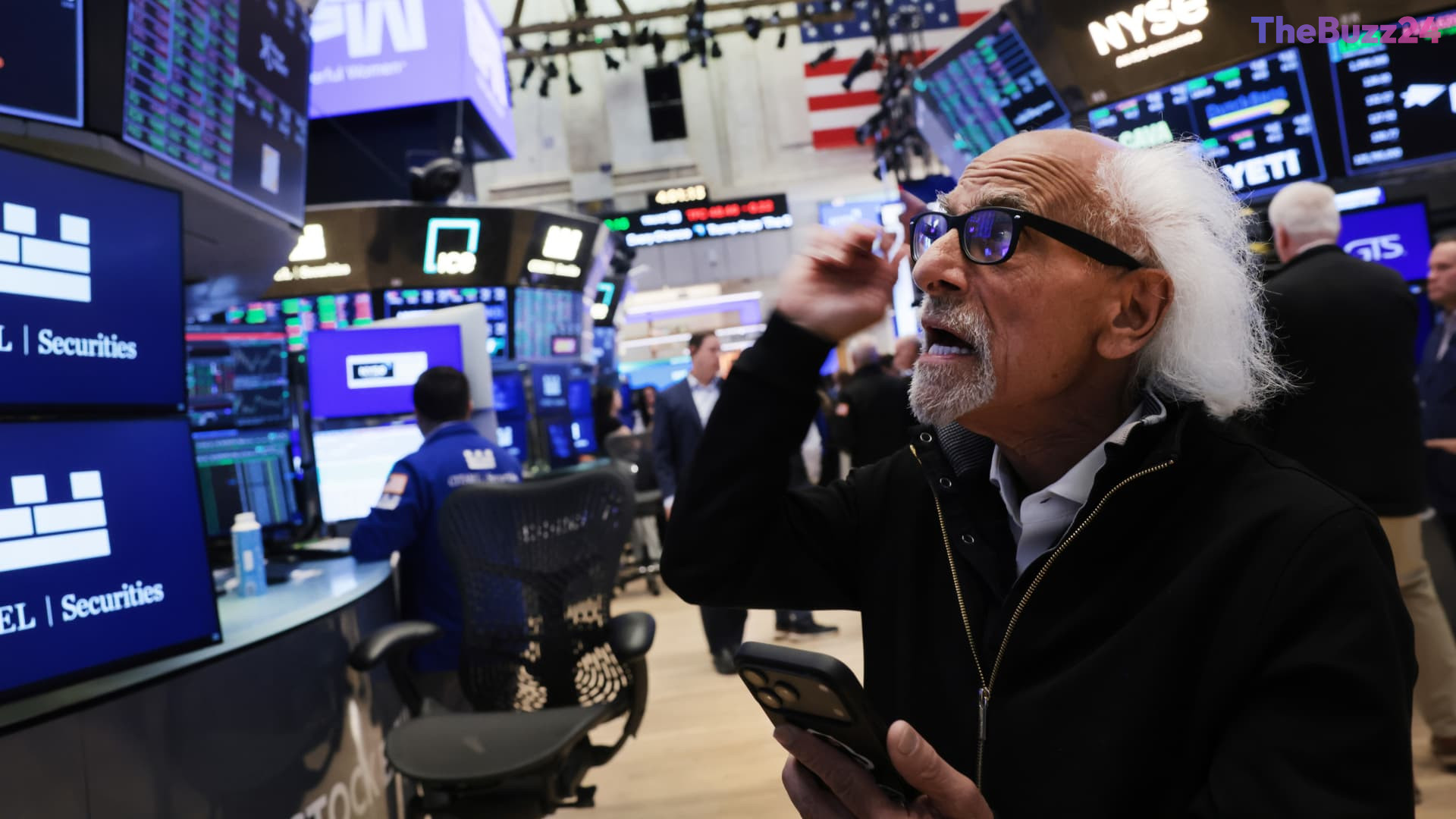
Global financial markets faced a turbulent start to the week as escalating hostilities between Iran and Israel threatened a fragile ceasefire, triggering a widespread sell-off across Asia and Europe. The geopolitical instability, coupled with lingering concerns over persistent inflation and high interest rates, has left investors increasingly cautious. South Korea’s Kospi index led the regional decline, plummeting more than 8% as heavyweights like Samsung Electronics and SK Hynix faced significant pressure.
In Europe, major indices including the Stoxx 600, the FTSE 100, and the DAX opened in the red, with the technology sector bearing the brunt of the losses. Meanwhile, oil prices surged over 3%, with Brent crude climbing toward $96 per barrel as markets reacted to the potential for an extended regional conflict. The volatility follows a difficult week for U.S. markets, where the Nasdaq Composite experienced its sharpest decline since April 2025, driven by a robust jobs report that fueled fears of sustained high financing costs.
As the market navigates this period of uncertainty, attention is shifting toward upcoming U.S. inflation data and the highly anticipated public debut of SpaceX. The IPO is viewed as a critical test for investor sentiment, particularly regarding the sustainability of current AI-driven valuations. Analysts suggest that while the market has enjoyed a period of significant growth, the combination of geopolitical risk and potential cost pressures may lead to a more defensive posture among institutional investors in the coming days.
Key Takeaways
- Global markets are reeling from renewed conflict between Iran and Israel, causing a sharp decline in Asian indices and a surge in oil prices.
- South Korea's Kospi index dropped over 8% as foreign investors offloaded shares, reflecting broader regional anxiety over tech valuations and geopolitical stability.
- Investors are bracing for a critical week featuring U.S. inflation reports and the high-profile IPO of SpaceX, which will test the resilience of current market sentiment.
Editor’s Analysis & Impact
The current market volatility represents a ‘perfect storm’ of geopolitical risk and macroeconomic uncertainty. The sharp decline in Asian tech stocks, particularly in South Korea, suggests that the AI-driven rally may be hitting a ceiling as investors re-evaluate valuations in a high-interest-rate environment. The surge in oil prices serves as a direct hedge against the instability in the Middle East, which could further complicate central bank efforts to curb inflation. Looking ahead, the SpaceX IPO will be the ultimate litmus test for market liquidity and risk appetite. If the offering underperforms or fails to sustain momentum, it could signal a broader cooling of the tech sector. Conversely, a successful debut might provide the necessary catalyst to stabilize sentiment, provided that upcoming CPI and PPI data do not reveal further inflationary surprises.
Frequently Asked Questions
Q: Why did the South Korean Kospi index experience such a sharp decline?
A: The Kospi fell over 8% due to a combination of heightened geopolitical tensions in the Middle East and a broader sell-off in technology stocks, which make up a significant portion of the index.
Q: How are oil prices reacting to the current geopolitical situation?
A: Oil prices have surged by more than 3% as investors fear that the escalating conflict between Iran and Israel could disrupt supply chains and destabilize the region.
AI Disclosure: This article is based on verified data and official reports. Our Team and AI have cross-referenced every financial detail with primary sources to ensure total accuracy.
More from this Category