Hong Kong’s IPO Market Faces Growing Volatility and Performance Concerns
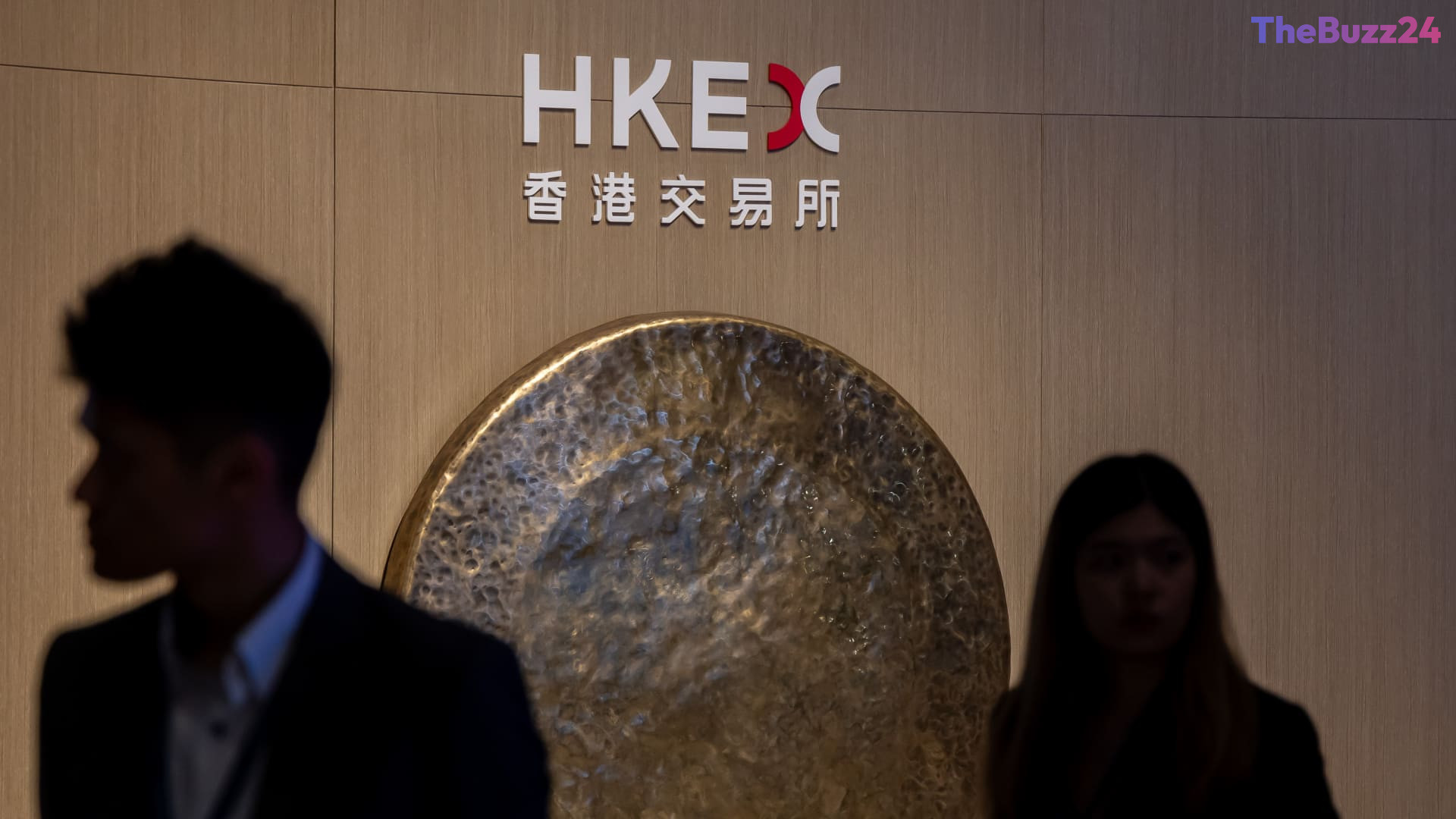
Hong Kong continues to solidify its position as a global leader in initial public offerings, frequently outpacing major exchanges like the New York Stock Exchange and Nasdaq in total funds raised. Despite this dominance in volume, the market is grappling with a concerning trend: a significant number of newly listed companies are experiencing sharp declines shortly after their debut. Data indicates that of the 179 companies that have listed in Hong Kong since the beginning of 2025, approximately half have seen their share prices drop over the subsequent three-month period.
The volatility is particularly pronounced among stocks included in the Stock Connect program, which facilitates direct investment from mainland China. Many of these companies see massive, speculative price surges in the lead-up to their inclusion in the program, often doubling or tripling in value. However, once these stocks are integrated into the Connect, they frequently suffer steep corrections. For instance, several high-profile AI-related stocks that saw triple-digit gains prior to their inclusion have since plummeted by double-digit percentages.
Market analysts suggest that this pattern is driven by a combination of speculative trading and structural differences between Hong Kong’s H shares and mainland China’s A shares. Investors often rotate capital out of the more expensive Hong Kong listings and into the relatively cheaper A-share equivalents once the Connect inclusion provides an exit liquidity event. Furthermore, increased scrutiny from regulators and a shift in institutional preference toward mainland hardware plays have added pressure to the sustainability of these IPO rallies, forcing investors to reconsider the long-term viability of recent market entrants.
Key Takeaways
- Approximately 50% of companies that have listed in Hong Kong since early 2025 have seen their stock prices decline within three months of trading.
- Stocks included in the Stock Connect program often experience extreme pre-inclusion rallies followed by significant post-inclusion sell-offs.
- Institutional investors are increasingly favoring mainland Chinese A shares over Hong Kong H shares due to valuation discrepancies and shifting sector focus.
Editor’s Analysis & Impact
The current instability in Hong Kong’s IPO market highlights a broader structural challenge: the disconnect between speculative retail enthusiasm and long-term institutional value. The ‘Connect’ program, while intended to bridge markets, has inadvertently created a cycle of ‘pump and dump’ behavior where stocks are inflated ahead of inclusion, only to face immediate correction as capital rotates toward more stable or undervalued assets. This trend poses a reputational risk to the Hong Kong exchange, potentially deterring long-term investors who prioritize fundamental growth over short-term volatility. As the market prepares for high-profile AI listings, the ability of regulators to curb excessive speculation will be critical. If the trend of post-debut underperformance persists, we may see a cooling in IPO valuations and a shift in capital allocation strategies toward more mature, less volatile markets.
Frequently Asked Questions
Q: Why do Hong Kong IPOs often drop in price after joining the Stock Connect?
A: Many investors treat the Stock Connect inclusion as a liquidity event. Stocks often see speculative rallies before inclusion, and once they are part of the program, investors rotate capital into cheaper, comparable A-share listings on the mainland.
Q: Is the Hong Kong IPO market still considered a global leader?
A: Yes, in terms of total funds raised, Hong Kong remains a top global destination for IPOs, consistently competing with and often surpassing the New York Stock Exchange and Nasdaq in annual volume.
AI Disclosure: This article is based on verified data and official reports. Our Team and AI have cross-referenced every financial detail with primary sources to ensure total accuracy.
More from this Category