Nvidia CEO Jensen Huang Skips Senate Hearing Amid Rising AI Scrutiny
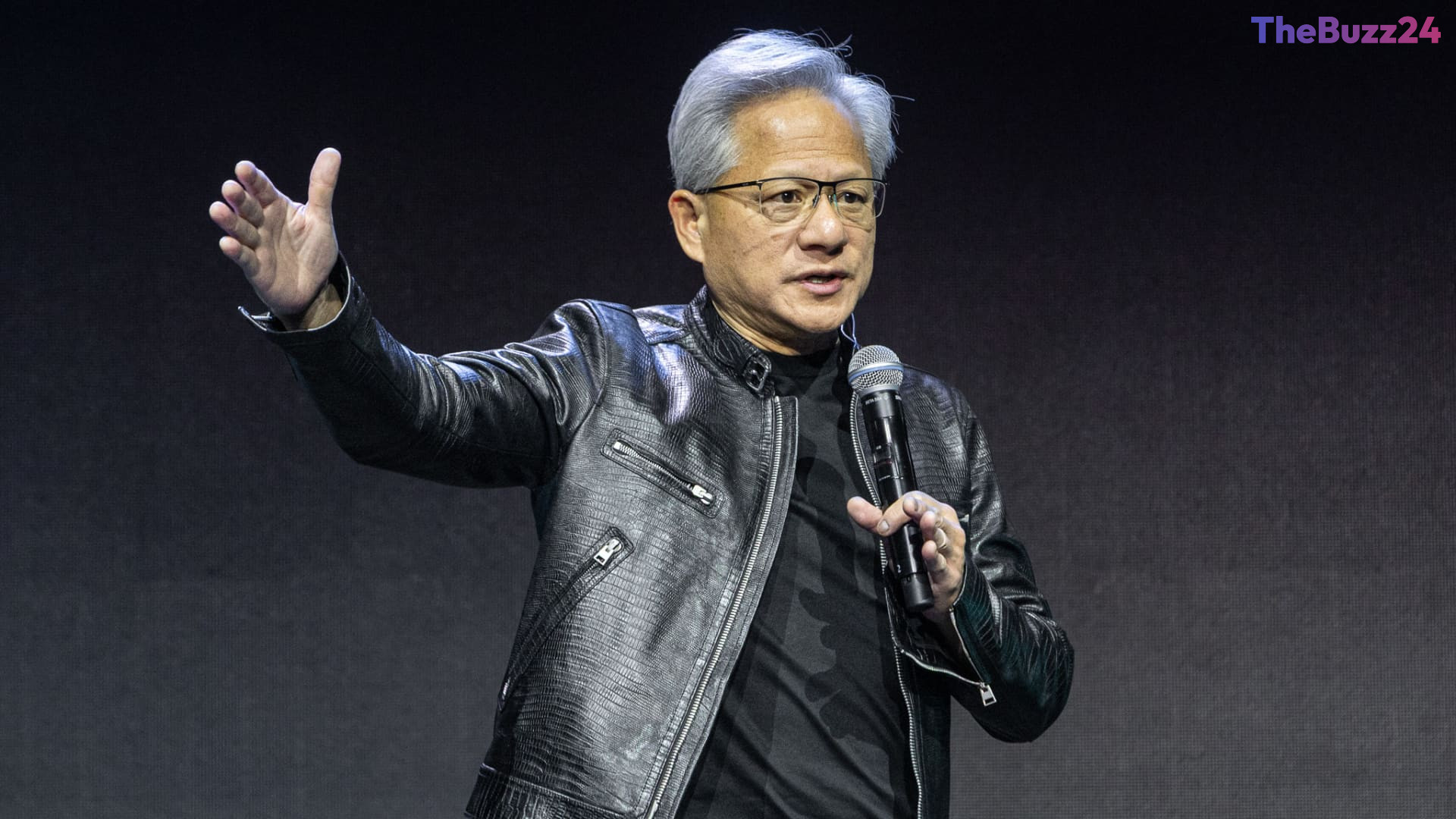
Nvidia CEO Jensen Huang has declined an invitation to testify before the Senate Banking Committee regarding the company’s role in the global artificial intelligence landscape, its business operations in China, and its stance on U.S. export controls. The hearing, titled ‘AI and the American Dream: Promoting Innovation, Affordability, and American Dominance,’ aimed to address how the chipmaker’s technology influences national security and economic competition.
Senator Elizabeth Warren, who extended the invitation, expressed public disappointment, arguing that the American public is entitled to transparency from a company that sits at the epicenter of the current AI revolution. Warren highlighted a perceived inconsistency in Huang’s schedule, noting that while he has participated in high-profile international meetings and private events, he has not made himself available for a public congressional inquiry.
In his response, Huang stated he was unable to attend the scheduled hearing but emphasized Nvidia’s long-standing commitment to supporting American researchers and maintaining U.S. leadership in technology. He extended an invitation for committee members to visit Nvidia’s headquarters in Santa Clara, California, to engage in a private dialogue regarding the domestic AI ecosystem.
This standoff reflects the intensifying tension between Washington policymakers and the tech industry. As the U.S. government weighs stricter export controls to prevent advanced AI hardware from reaching foreign rivals, executives like Huang face the difficult task of balancing global market access with national security mandates. The debate remains a critical focal point for lawmakers concerned that unrestricted chip sales could inadvertently bolster the military capabilities of international competitors.
Key Takeaways
- Nvidia CEO Jensen Huang declined a formal invitation to testify before the Senate Banking Committee on AI and China-related export policies.
- Senator Elizabeth Warren criticized the move, asserting that the public deserves transparency from a company central to national security and AI development.
- Huang has offered to host committee members at Nvidia's headquarters instead, maintaining that the company is committed to U.S. technological leadership.
Editor’s Analysis & Impact
The refusal of Jensen Huang to testify before the Senate Banking Committee highlights the growing friction between the private sector and federal regulators as AI becomes a central pillar of national security. Nvidia, as the primary supplier of high-end AI chips, is currently caught in a geopolitical tug-of-war. The company’s desire to maintain access to the lucrative Chinese market directly conflicts with the U.S. government’s strategy of ‘technological containment.’ This event signals that Congress is moving toward a more aggressive oversight posture, likely leading to increased regulatory pressure on semiconductor firms. Moving forward, companies in the AI supply chain will face higher compliance costs and increased scrutiny, potentially forcing them to choose between global market expansion and alignment with domestic foreign policy objectives.
Frequently Asked Questions
Q: Why did Senator Elizabeth Warren want Jensen Huang to testify?
A: Senator Warren sought to question Huang on Nvidia's business dealings in China and the company's position on U.S. export controls, which are designed to limit the spread of advanced AI technology to foreign rivals.
Q: What was Jensen Huang's alternative proposal?
A: While declining the formal Senate hearing, Huang offered to host Senator Warren and other committee members at Nvidia’s headquarters in Santa Clara to discuss the American AI ecosystem and the company's role in it.
AI Disclosure: This article is based on verified data and official reports. Our Team and AI have cross-referenced every financial detail with primary sources to ensure total accuracy.
More from this Category