Critical Artemis III Rocket Components Begin Cross-Country Journey to Kennedy Space Center
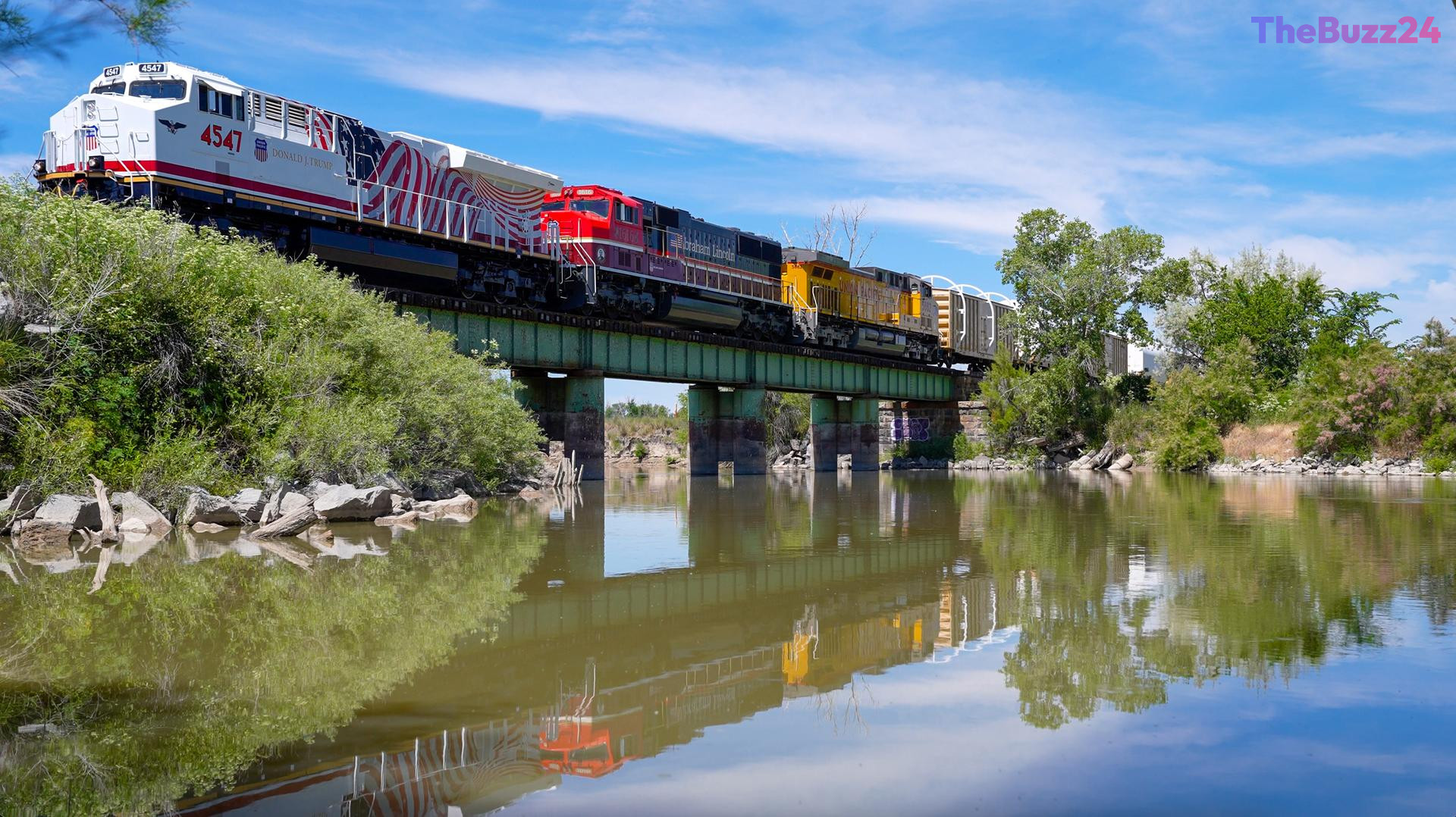
The final set of booster motor segments required for the Artemis III mission has officially departed from Northrop Grumman’s manufacturing facility in Corinne, Utah. The shipment, which left the railyard on June 2, marks a significant milestone in the assembly of the Space Launch System (SLS) rocket, the vehicle tasked with returning humans to the lunar surface.
These eight massive motor segments are currently in transit to NASA’s Kennedy Space Center in Florida. Once they arrive, they will be integrated to form the rocket’s twin, five-segment solid rocket boosters. These boosters are essential to the mission’s success, as they are engineered to provide more than 75% of the total thrust required to lift the heavy-duty rocket off the launchpad.
This delivery represents a major step forward in the logistical preparations for the Artemis III mission. By moving these components to the Florida launch site, engineers can begin the complex process of stacking and testing the boosters, ensuring they are flight-ready for the upcoming lunar exploration effort.
Key Takeaways
- Eight booster motor segments for the Artemis III SLS rocket have departed Utah for Florida.
- The solid rocket boosters provide over 75% of the total thrust needed for the SLS rocket to achieve liftoff.
- The arrival of these components at Kennedy Space Center initiates the final assembly and integration phase for the mission.
Editor’s Analysis & Impact
The successful transport of these booster segments underscores the maturing supply chain and logistical capabilities supporting the Artemis program. As NASA moves toward the Artemis III mission, the focus shifts from component manufacturing to large-scale integration and launch readiness. The reliance on solid rocket boosters remains a cornerstone of the SLS architecture, providing the necessary raw power to overcome Earth’s gravity for deep-space exploration. Looking ahead, the efficiency of this transit and the subsequent assembly process at Kennedy Space Center will be critical indicators of the program’s timeline. As private-public partnerships continue to evolve, the ability to maintain a steady cadence of hardware delivery will be essential for sustaining momentum in the broader effort to establish a long-term human presence on the Moon and eventually prepare for missions to Mars.
Frequently Asked Questions
Q: What is the purpose of the booster motor segments?
A: These segments form the twin solid rocket boosters of the SLS rocket, which generate over 75% of the thrust needed for liftoff.
Q: Where are the booster segments being sent?
A: The segments are being transported to NASA’s Kennedy Space Center in Florida for final integration and assembly.
AI Disclosure: This article is based on verified data and official reports. Our Team and AI have cross-referenced every financial detail with primary sources to ensure total accuracy.
More from this Category