NASA and Katalyst Space Prepare Robotic Mission to Extend Swift Observatory’s Life
NASA is set to embark on a pioneering mission to extend the operational life of the Neil Gehrels Swift Observatory, a critical tool for studying high-energy cosmic events. The agency has scheduled a media briefing to discuss the upcoming launch of the LINK robotic servicing spacecraft, developed by Katalyst Space. This mission represents a significant leap in orbital maintenance, as the spacecraft is designed to rendezvous with the aging observatory and boost it into a higher, more stable orbit.
The Swift Observatory, which has been operational since 2004, has served as a vital “dispatcher” for the astronomical community, identifying gamma-ray bursts and other powerful cosmic explosions. However, after more than two decades in space, the observatory’s orbit has begun to decay due to heightened solar activity. Rather than allowing the satellite to re-enter the atmosphere and burn up, the mission aims to demonstrate that robotic servicing can effectively prolong the utility of existing space assets.
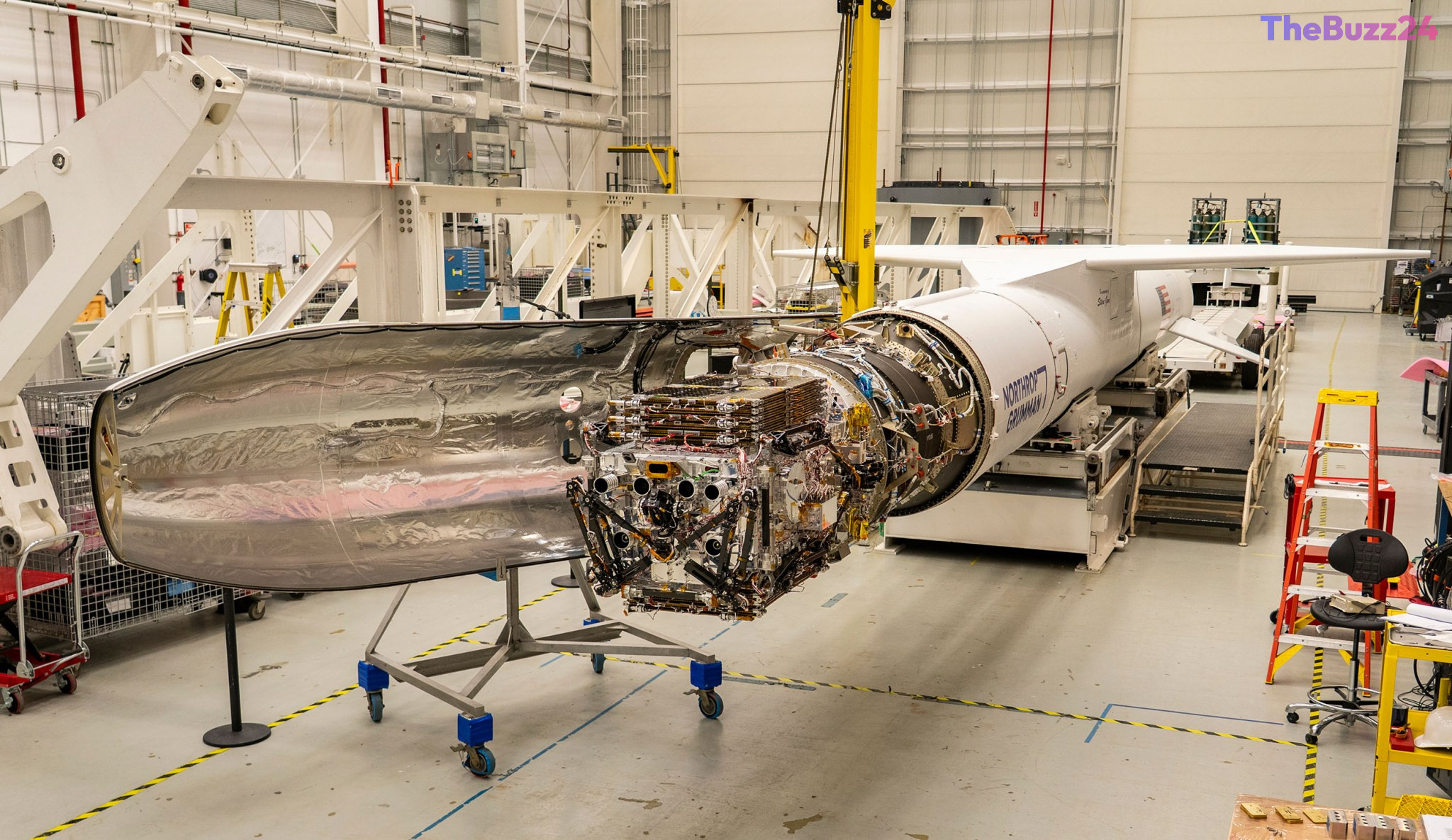
The LINK spacecraft is scheduled to launch aboard a Northrop Grumman Pegasus XL rocket from the Kwajalein Atoll in the Marshall Islands. This effort follows a rapid-turnaround contract awarded to Katalyst Space in late 2025, highlighting a shift toward agile, commercial-led solutions for space infrastructure. By successfully raising the altitude of the Swift Observatory, the mission will not only preserve a key scientific instrument but also validate essential technologies for future in-orbit refueling, repair, and maintenance operations.
Key Takeaways
- NASA is partnering with Katalyst Space to use the LINK robotic craft to boost the Neil Gehrels Swift Observatory to a higher orbit.
- The mission aims to prevent the premature atmospheric re-entry of the 21-year-old telescope, which is currently suffering from orbital decay.
- This project serves as a critical test case for future in-orbit robotic servicing, repair, and life-extension capabilities for space assets.
Editor’s Analysis & Impact
The Katalyst Space mission marks a pivotal moment in the evolution of the space economy. For decades, the end-of-life protocol for satellites has been either de-orbiting or abandonment. By shifting toward active robotic servicing, NASA is signaling a transition to a more sustainable model of space infrastructure. This capability is not merely about saving a single telescope; it is about creating a blueprint for the commercial servicing industry. If successful, this mission will lower the barrier for future public-private partnerships in space maintenance, potentially reducing the cost of long-term space exploration. The ability to refuel or reposition satellites on-demand will fundamentally change how agencies and private firms approach mission planning, moving away from ‘disposable’ hardware toward a more circular, modular, and resilient orbital environment.
Frequently Asked Questions
Q: Why is the Swift Observatory's orbit decaying?
A: The observatory's orbit is decaying primarily due to increased solar activity, which causes the Earth's atmosphere to expand and exert more drag on satellites in low Earth orbit.
Q: What is the primary goal of the LINK spacecraft?
A: The primary goal of the LINK spacecraft is to rendezvous with the Swift Observatory and perform an orbital boost to increase its altitude, thereby extending its operational lifespan.
AI Disclosure: This article is based on verified data and official reports. Our Team and AI have cross-referenced every financial detail with primary sources to ensure total accuracy.
More from this Category