Theker Secures $85 Million to Revolutionize Industrial Automation with Modular Robotics
Theker, a Barcelona-based robotics startup, has successfully closed an $85 million Series A funding round, marking what is believed to be the largest robotics Series A in European history. The company is positioning itself as a leader in the next generation of industrial automation by moving away from rigid, single-task machines toward a more versatile, modular approach. By focusing on reconfigurable hardware, Theker aims to address the complex labor shortages currently plaguing the manufacturing and logistics sectors.
Unlike traditional industrial robots that are designed for repetitive, static tasks, Theker’s machines are engineered to adapt to the unpredictable nature of modern warehouses. The robots feature swappable components, including arms and hands, allowing them to be resized and reconfigured for diverse operations ranging from garment packing to bottle sorting. This flexibility is designed to bridge the gap between specialized automation and the more fluid, human-centric tasks that have historically been difficult to automate.
The startup has already attracted significant attention from major industry players, including Inditex, the parent company of Zara. With the new capital, Theker plans to aggressively scale its operations, expand its workforce, and establish a physical presence in key markets across Europe, the United States, and Asia. The company is currently in advanced discussions with global tech giants like Samsung, signaling a strategic move to integrate its technology into large-scale manufacturing environments.
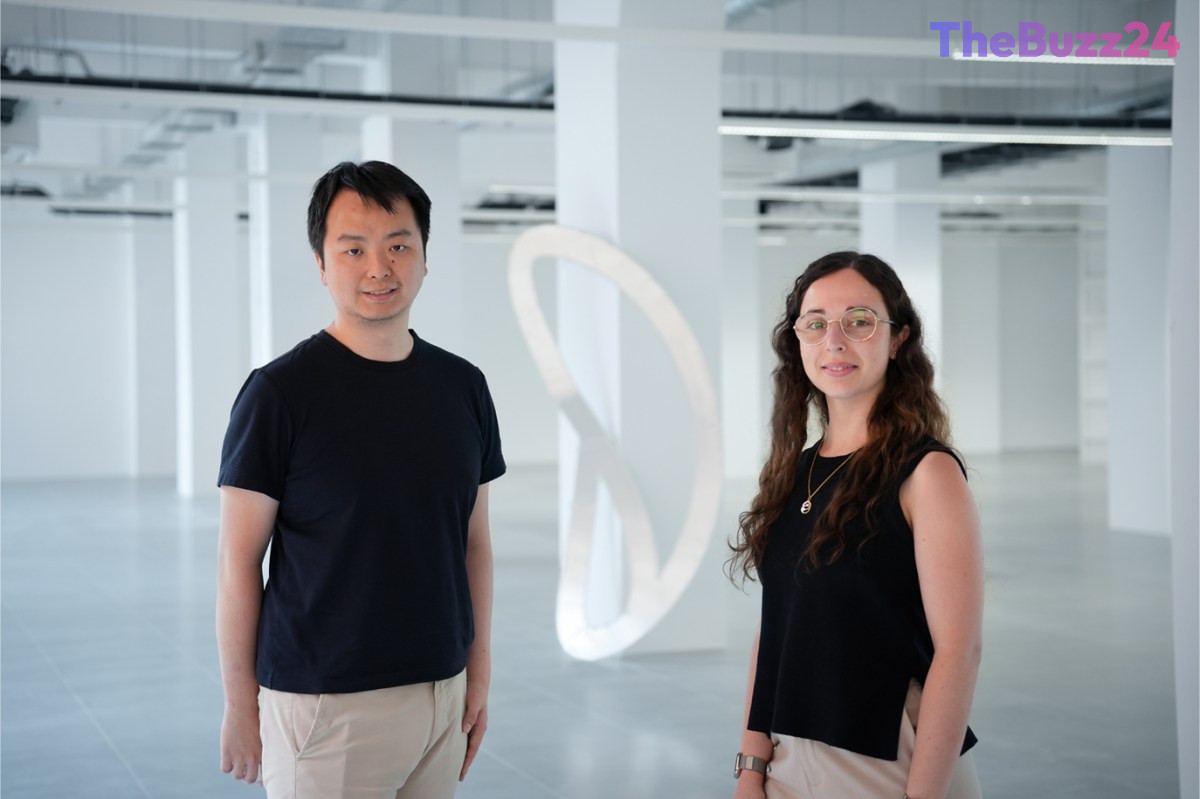
Co-founders Carla Gómez Cano and Jiaqiang Ye Zhu have emphasized a pragmatic approach to growth, prioritizing direct engagement with operations and logistics departments over experimental innovation pilots. As the company prepares to scale its team to over 100 employees by the end of the year, it remains committed to maintaining its headquarters in Barcelona, further cementing the city’s status as a burgeoning hub for European robotics innovation.
Key Takeaways
- Theker raised $85 million in a Series A round, marking a record-breaking investment for a European robotics startup.
- The company differentiates itself by creating modular, reconfigurable robots capable of performing diverse tasks, rather than single-purpose machines.
- The startup is bypassing traditional innovation pilots to focus on direct implementation in logistics and manufacturing operations.
Editor’s Analysis & Impact
Theker’s massive funding round underscores a significant shift in the industrial robotics market: the move from ‘fixed-task’ automation to ‘generalist’ systems. As labor shortages persist globally, manufacturers are increasingly wary of the high capital expenditure required for robots that cannot adapt to changing product lines or workflows. Theker’s modular design addresses this pain point directly, offering a hedge against technological obsolescence. By securing backing from heavyweights like Inditex and attracting interest from Samsung, the company is positioning itself as a critical infrastructure provider rather than a niche hardware vendor. If Theker can successfully prove the reliability of its reconfigurable hardware at scale, it could disrupt the dominance of traditional industrial robotics firms, setting a new standard for agility in the global supply chain.
Frequently Asked Questions
Q: What makes Theker's robots different from traditional industrial robots?
A: Traditional industrial robots are typically designed for a single, repetitive task. Theker’s robots are modular, meaning their arms, hands, and overall form can be swapped or resized to handle different tasks, making them more adaptable to changing warehouse needs.
Q: What is the primary goal of Theker's $85 million funding?
A: The funding will be used to scale the company's workforce, expand its physical presence into the U.S. and Asian markets, and accelerate the deployment of its modular robotics technology in large-scale industrial and logistics settings.
AI Disclosure: This article is based on verified data and official reports. Our Team and AI have cross-referenced every financial detail with primary sources to ensure total accuracy.
More from this Category