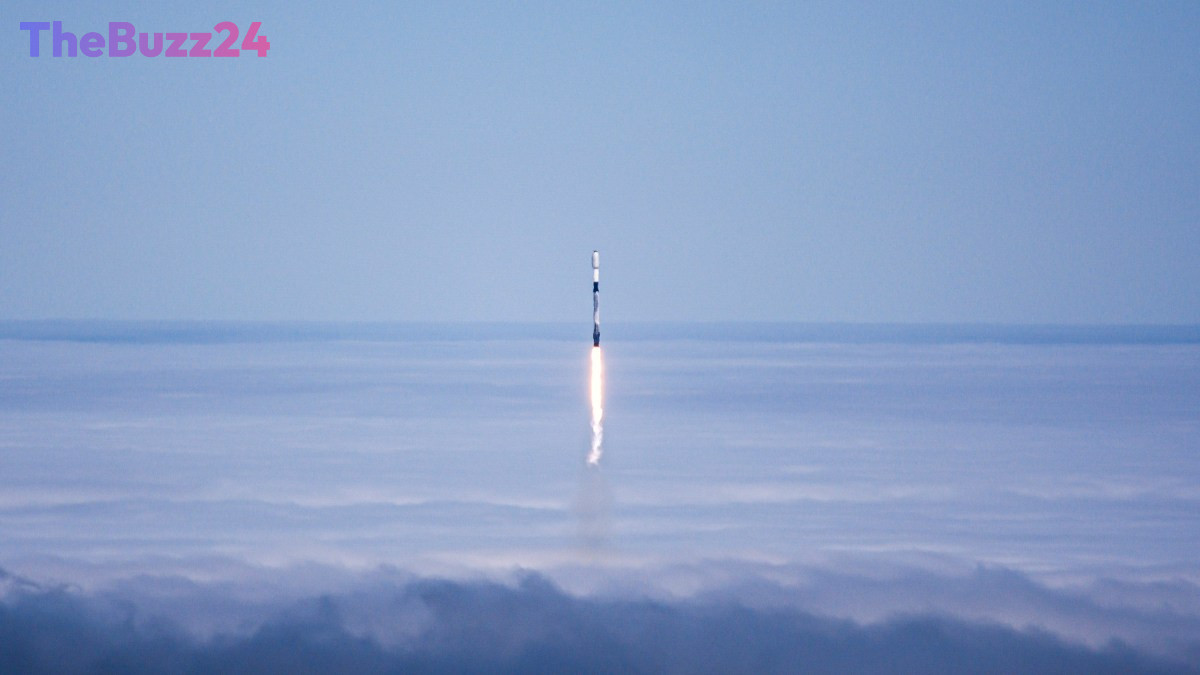
SpaceX Shatters Records with Historic $75 Billion IPO, Priced at $135 Per Share
Elon Musk’s ambitious space and artificial intelligence enterprise, SpaceX, has officially set its sights on the public market, confirming a monumental Initial Public Offering (IPO) that has raised an astounding $75 billion. The company has priced its 555.6 million shares at $135 each, a move that solidifies its position as the largest IPO in history, far surpassing the previous record held by Saudi Aramco’s $24.9 billion debut in 2019. This valuation also positions Musk on the cusp of becoming the world’s first trillionaire.
Trading under the ticker symbol SPCX on the Nasdaq stock exchange, SpaceX has adopted an unconventional strategy by setting its IPO price well in advance of the market opening. The company reportedly gauged investor interest at the $135 target prior to its official roadshow, a departure from traditional IPO pricing methods. This approach proved highly successful, attracting demand four times greater than the available shares, according to market observers. While the stock’s performance upon active trading remains to be seen, early indications suggest strong interest from both major institutional investors and individual buyers eager to acquire stakes in the 24-year-old aerospace giant.
Should the demand continue to exceed supply, underwriters have the option to offer an additional 83.3 million shares, potentially raising another $11 billion at the current price. This historic offering is set to generate significant wealth for a wide array of stakeholders. Elon Musk, the company’s visionary leader, stands to be a primary beneficiary, owning a substantial number of Class A and Class B shares. Other key figures, including Antonio Gracias, founder and CEO of Valor Management, board member Luke Nosek, and COO Gwynne Shotwell, are also poised for substantial financial gains. Furthermore, the IPO promises considerable windfalls for the hundreds of venture capitalists who have supported SpaceX throughout its two decades as a private entity, as well as numerous smaller investors who participated through special purpose vehicles, though some may face delays in realizing their full gains due to the complexities of these investment structures.
Key Takeaways
- SpaceX has launched the largest IPO in history, raising $75 billion by selling shares at $135 each.
- The IPO's valuation positions Elon Musk to potentially become the world's first trillionaire.
- The offering attracted significant investor demand, exceeding available shares fourfold, and is expected to benefit early investors and key company figures.
Editor’s Analysis & Impact
SpaceX’s record-breaking IPO marks a pivotal moment not just for the company, but for the broader aerospace and technology sectors. The staggering valuation underscores the immense market confidence in SpaceX’s ambitious vision, from reusable rocket technology to its burgeoning AI initiatives. This public debut provides substantial capital for future endeavors, potentially accelerating innovation and expansion. However, the company faces the challenge of justifying its sky-high valuation through continued technological advancements and sustained profitability. The success of this IPO could set a new precedent for capital raising in deep-tech industries, while also highlighting the immense wealth creation potential within the private space sector.
Frequently Asked Questions
Q: What is SpaceX's ticker symbol?
A: SpaceX will trade on the Nasdaq stock exchange under the ticker symbol SPCX.
Q: How much money did SpaceX raise in its IPO?
A: SpaceX raised $75 billion in its IPO by selling shares at $135 each.
Q: Who are the major beneficiaries of the SpaceX IPO?
A: Elon Musk is expected to be a primary beneficiary, along with significant investors like Antonio Gracias, Luke Nosek, and COO Gwynne Shotwell, as well as numerous venture capitalists and smaller investors.
AI Disclosure: This article is based on verified data and official reports. Our Team and AI have cross-referenced every financial detail with primary sources to ensure total accuracy.
More from this Category