SpaceX Launches Historic $75 Billion IPO, Marking a New Era for Space Commerce
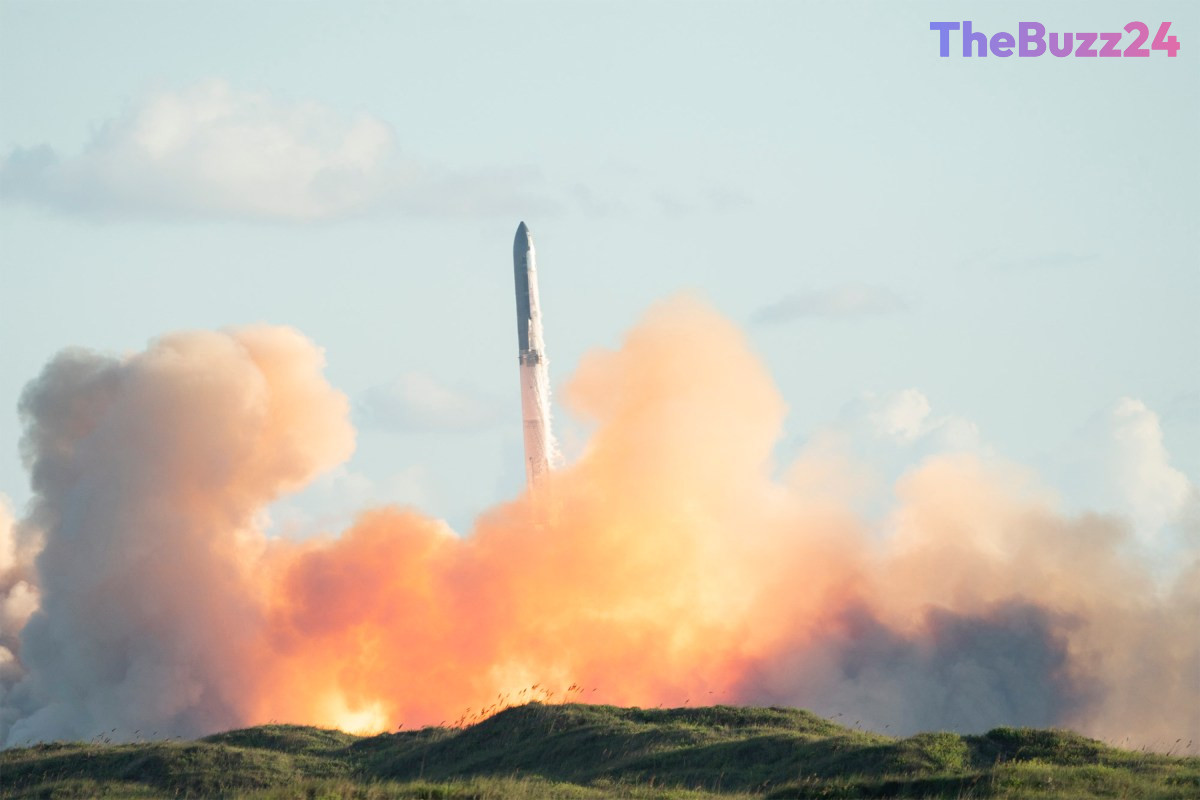
SpaceX has officially entered the public markets, launching the largest initial public offering in history. By pricing 555.6 million shares at $135 each, the aerospace giant has raised $75 billion, a monumental figure that underscores the massive scale of its operations, including the Starlink satellite network and its ambitious Starship rocket program. The debut on the Nasdaq exchange marks a significant transition for the company, which has spent over two decades operating as a private entity under the leadership of CEO Elon Musk.
Financial disclosures released in the company’s S-1 filing reveal a complex picture of growth and expenditure. While SpaceX reported revenues exceeding $18 billion in 2025, the company also recorded a loss of $4.9 billion for the same period, contributing to a cumulative loss of over $37 billion since its inception. Despite these figures, the IPO is expected to create significant wealth for thousands of employees, with estimates suggesting that approximately 4,400 staff members could see their equity holdings reach millionaire status.
Governance remains a central point of interest for investors, as Elon Musk is set to retain more than 50% of the voting power. This structure grants him a level of control rarely seen in publicly traded tech companies, effectively allowing him to maintain a monarchical grip on the firm’s strategic direction. As the company moves forward, it faces the dual challenge of scaling its Starlink internet service and managing its heavy investments in AI-related compute infrastructure, including high-profile deals with major tech firms like Google and Anthropic.
Prospective investors are also keeping a close watch on potential future dilution, a risk explicitly noted in the company’s regulatory filings. As SpaceX navigates its life as a public entity, the market will be closely monitoring how the company balances its long-term aerospace ambitions with the immediate pressures of quarterly financial reporting and the expectations of its new public shareholder base.
Key Takeaways
- SpaceX has completed the largest IPO in history, raising $75 billion at a share price of $135.
- Elon Musk will maintain majority voting control, ensuring he retains significant influence over the company's future strategy.
- Despite high revenues, the company has accumulated over $37 billion in losses since its founding, highlighting the capital-intensive nature of its aerospace and satellite ventures.
Editor’s Analysis & Impact
The SpaceX IPO represents a watershed moment for the commercial space industry, effectively validating the ‘New Space’ economy. By transitioning to the public markets, SpaceX is signaling that its infrastructure—specifically Starlink—has reached a level of maturity that demands institutional capital. However, the company’s massive cumulative losses and reliance on high-cost R&D projects like Starship present a unique risk profile for retail investors. The market will likely view this as a ‘bet on Musk’ rather than a traditional aerospace play, given his outsized voting control and the integration of his various ventures, such as xAI. The long-term success of this stock will depend on whether SpaceX can achieve consistent profitability through its satellite internet division while simultaneously managing the immense capital requirements of its interplanetary ambitions.
Frequently Asked Questions
Q: How much voting power does Elon Musk retain after the IPO?
A: Elon Musk retains more than 50% of the voting power, giving him majority control over the company's strategic decisions.
Q: What are the primary financial risks mentioned in the SpaceX S-1 filing?
A: The company highlighted significant cumulative losses of over $37 billion and warned investors about the potential for future share dilution.
AI Disclosure: This article is based on verified data and official reports. Our Team and AI have cross-referenced every financial detail with primary sources to ensure total accuracy.
More from this Category