SpaceX Soars in Historic Nasdaq Debut, Propelling Elon Musk to Trillionaire Status
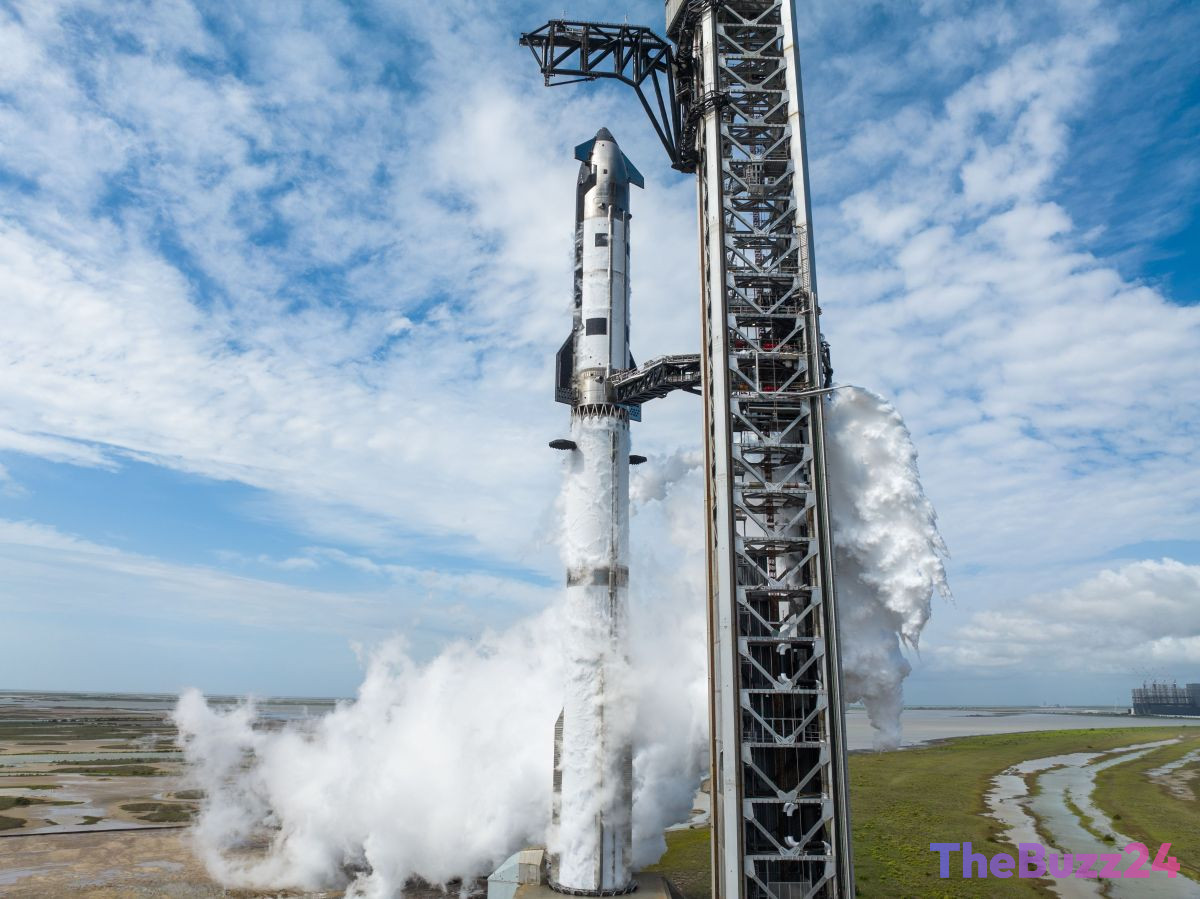
Aerospace giant SpaceX made a historic entrance onto the public markets, with its stock surging to $150 per share immediately upon opening on the Nasdaq. This represents an 11% jump from its initial public offering (IPO) price of $135. The highly anticipated debut saw immense trading volume, driven by intense investor demand that far outstripped the initial supply of shares.
The rapid price appreciation was largely expected, given that the IPO was oversubscribed fourfold. Because only a small float of approximately 4% of total shares is currently available for public trading—with the remainder held by early-stage investors and employees—the limited supply has squeezed prices upward. Furthermore, SpaceX successfully negotiated rule changes with major index providers, including the Nasdaq 100, allowing the company to be integrated into these indexes within days rather than months. This rapid inclusion is expected to trigger automated buying from index-tracking funds, further fueling demand.
The public listing marks one of the most lucrative events in venture capital history. Early backers are seeing astronomical returns; Founders Fund’s 3% stake, stemming from an initial $600 million investment, is now valued at over $50 billion. Similarly, Sequoia Capital and Andreessen Horowitz have seen their holdings swell to over $20 billion and $10 billion, respectively.
Beyond institutional gains, the IPO has created unprecedented personal wealth. Founder Elon Musk is poised to become the world’s first trillionaire based on the debut valuation. Additionally, the listing has transformed the lives of SpaceX’s workforce, minting an estimated 4,400 new millionaires and roughly 400 centimillionaires among current and former employees.
Key Takeaways
- SpaceX shares surged 11% to open at $150 on the Nasdaq, up from the $135 IPO price, driven by a 4x oversubscribed offering.
- A tight public float of just 4% and fast-tracked inclusion into major indexes like the Nasdaq 100 are accelerating institutional buying.
- The debut has generated historic venture capital returns and minted thousands of new millionaires among SpaceX employees, while positioning Elon Musk as the world's first trillionaire.
Editor’s Analysis & Impact
The public debut of SpaceX marks a watershed moment for both the aerospace industry and the broader capital markets. By successfully transitioning from a highly valued private entity to a public juggernaut, SpaceX has demonstrated that deep-tech and capital-intensive space ventures can yield unprecedented returns for early investors. The rapid restructuring of index inclusion rules for SpaceX highlights the immense systemic influence the company wields, forcing traditional financial institutions to adapt to its scale. Moving forward, the influx of public capital will likely accelerate SpaceX’s ambitious Mars exploration and Starlink expansion plans. However, the stock’s high valuation and limited public float could introduce significant volatility. This landmark IPO will undoubtedly serve as a benchmark for other late-stage technology and defense-tech firms contemplating public listings in a shifting macroeconomic landscape.
Frequently Asked Questions
Q: Why did SpaceX's stock price jump immediately after opening?
A: The stock surged due to high demand and limited supply. The IPO was oversubscribed fourfold, meaning many institutional investors could not secure shares beforehand and had to buy them on the open market. This demand was intensified by a very small public float of only 4%.
Q: How does the fast-tracked index inclusion affect SpaceX stock?
A: SpaceX successfully lobbied major indexes, such as the Nasdaq 100, to shorten the waiting period for inclusion to just a few days. This forces index-tracking mutual funds and ETFs to purchase the stock quickly to match the index, creating immediate, automated buying pressure.
Q: What impact does this IPO have on SpaceX employees and founders?
A: The IPO has created historic wealth, making founder Elon Musk the world's first trillionaire. Additionally, approximately 4,400 current and former employees have become millionaires, and about 400 have achieved centimillionaire status due to their equity holdings.
AI Disclosure: This article is based on verified data and official reports. Our Team and AI have cross-referenced every financial detail with primary sources to ensure total accuracy.
More from this Category