SpaceX Market Debut Shatters Records, Propelling Elon Musk to Trillionaire Status
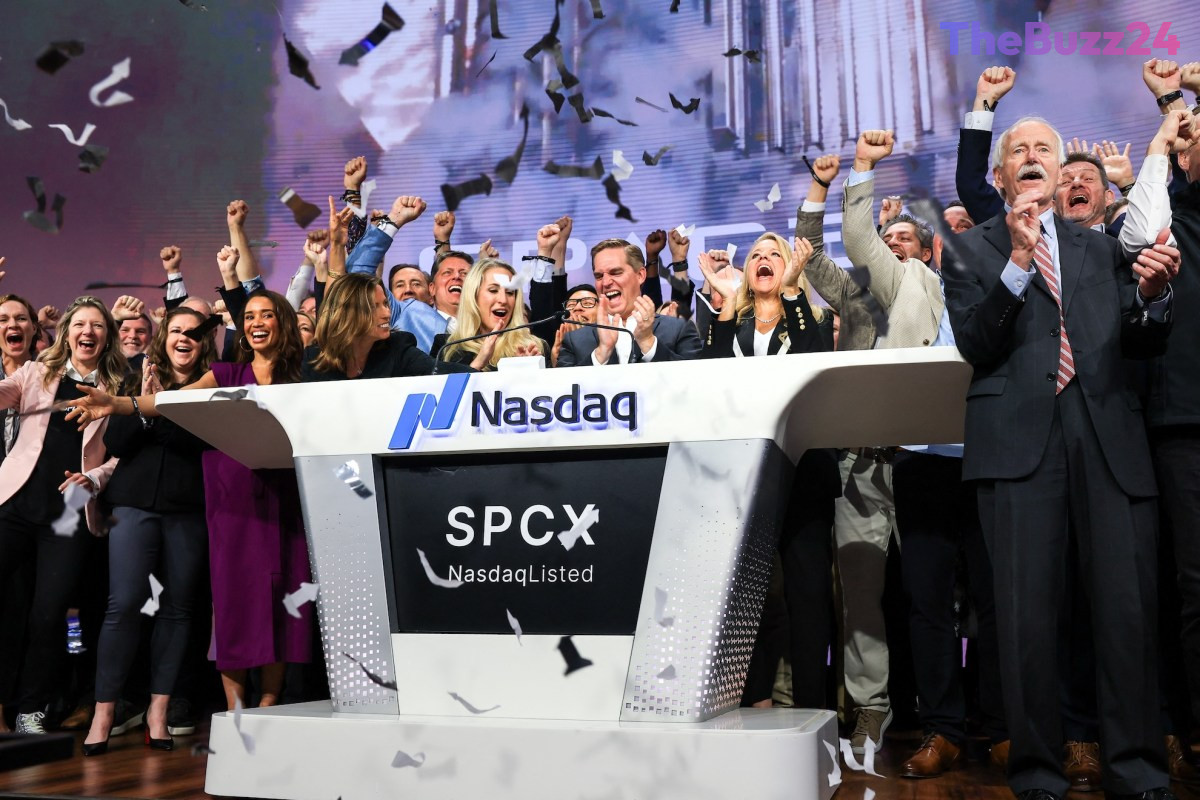
SpaceX made a historic entry into the public markets this week, with its shares surging 19% on their first day of trading on the Nasdaq. Opening at $150 per share—well above the initial offering price of $135—the stock climbed as high as $176 during midday sessions. By the closing bell, the aerospace giant settled at $160.95, pushing its total market capitalization to approximately $2.3 trillion.
The massive demand for the stock was fueled by an oversubscribed IPO, leaving many institutional investors scrambling to acquire shares on the open market. With only 4% of the company’s total shares currently available for public trading, the limited float has intensified buying pressure. Furthermore, SpaceX successfully negotiated expedited inclusion into major market indexes, such as the Nasdaq 100, which is expected to trigger additional automatic buying from large-scale funds in the coming days.
This public debut has resulted in unprecedented financial windfalls for early backers and employees. Venture capital firms like Founders Fund, Sequoia, and Andreessen Horowitz have seen their stakes skyrocket in value, with some returns estimated in the tens of billions. The surge in valuation has officially pushed founder Elon Musk into the status of the world’s first trillionaire. Additionally, the IPO has created significant wealth for the company’s workforce, with thousands of current and former employees reaching millionaire or centimillionaire status.
Key Takeaways
- SpaceX shares closed 19% higher on their first day of trading, reaching a market capitalization of $2.3 trillion.
- The IPO was heavily oversubscribed, and the company's limited public float has contributed to significant price volatility and demand.
- The successful public offering has made Elon Musk the world's first trillionaire and generated massive wealth for early investors and employees.
Editor’s Analysis & Impact
The SpaceX IPO represents a watershed moment for the aerospace and private equity sectors. By achieving a $2.3 trillion valuation, SpaceX has effectively validated the commercial viability of space exploration and satellite infrastructure at an unprecedented scale. The market’s aggressive appetite for the stock suggests that investors view the company not merely as a launch provider, but as a foundational utility for the future of global connectivity and interplanetary logistics. However, the limited float and rapid index inclusion create a unique environment where retail and institutional demand may outpace supply in the short term, potentially leading to heightened volatility. Looking ahead, the company’s ability to maintain this valuation will depend on its continued execution of high-frequency launches and the scaling of its Starlink network, which remains a critical driver of its long-term revenue projections.
Frequently Asked Questions
Q: Why did the SpaceX stock price rise so significantly on its first day?
A: The price surge was driven by an oversubscribed IPO, a very small public float of only 4%, and the company's expedited inclusion into major market indexes, which forces institutional funds to purchase the stock.
Q: How many employees benefited from the SpaceX IPO?
A: Approximately 4,400 current and former SpaceX employees are estimated to have become millionaires, with about 400 of those reaching centimillionaire status.
AI Disclosure: This article is based on verified data and official reports. Our Team and AI have cross-referenced every financial detail with primary sources to ensure total accuracy.
More from this Category