Protests Erupt as Google CEO Sundar Pichai Booed and Walked Out On at Stanford Graduation
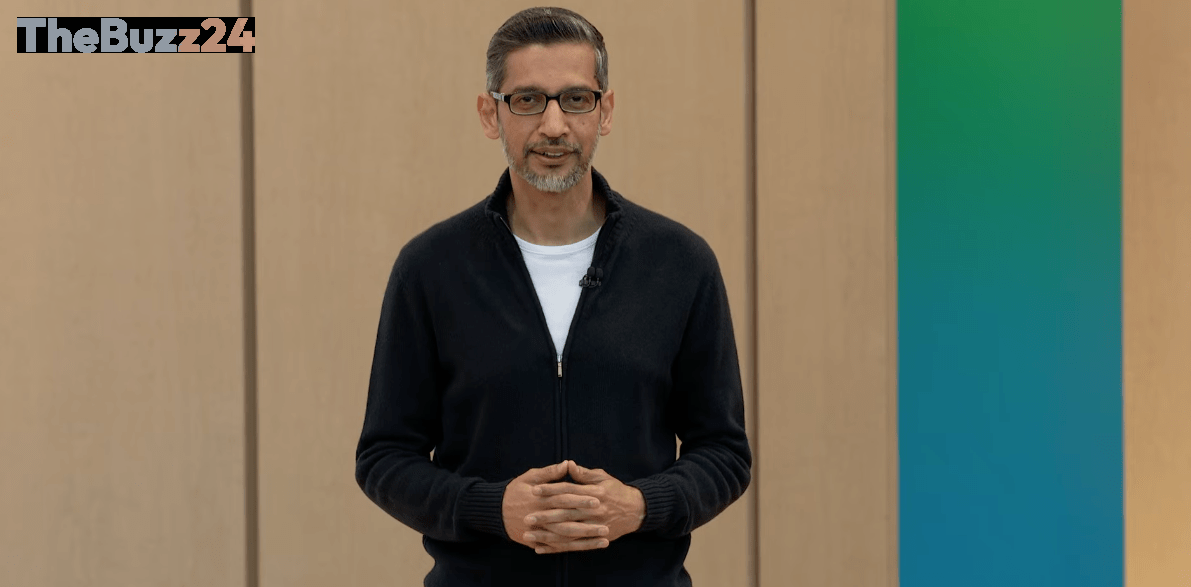
Google CEO Sundar Pichai encountered significant backlash during his commencement address at Stanford University over the weekend, his alma mater. Reports indicate that approximately 200 graduating students staged a walkout, while others in the audience expressed their disapproval through loud booing.
The demonstration centered on Google’s business dealings, specifically its involvement in Project Nimbus, a substantial $1.2 billion contract with Amazon to supply cloud and artificial intelligence services to the Israeli military. Protesters also voiced opposition to the company’s relationship with U.S. Immigration and Customs Enforcement (ICE).
Student demonstrators held signs bearing messages such as “ICE SPIES WITH GOOGLE AI,” “GENOCIDE RUNS ON GOOGLE,” and “FREE FREE PALESTINE.” Videos circulating online showed students waving Palestinian flags and chanting slogans in support of Palestine. A statement released by protest organizers declared, “We are walking out because we refuse to glorify the corporations that fuel this violence and exercise our power to choose differently.”
The protest was coordinated by several campus activist organizations, including Stanford Students for Justice in Palestine, No Tech for Apartheid, and Tech for Liberation. This incident follows a pattern of internal and external dissent against Google’s Project Nimbus, particularly amid the ongoing conflict in Gaza. Earlier this year, Google terminated 28 employees for protesting the contract, though internal opposition has persisted. The company has also faced criticism from the Electronic Frontier Foundation regarding its role in providing services used in Israel.
While other tech giants like Amazon and Microsoft have also faced scrutiny for their ties to the Israeli military, Microsoft reportedly adjusted its services after discovering their use for surveillance. The protest at Stanford drew sharp criticism from some business figures, including venture capitalist Vinod Khosla, who characterized the demonstration as “biased, idiotic, short-sighted and very selfish.” He argued that the students were overlooking the potential benefits of AI for billions globally in favor of their own concerns.
Pichai’s experience at Stanford highlights a growing trend of student activism targeting corporate practices at commencement ceremonies. While speakers at various graduations have faced disruptions, the protest against Pichai was notably specific, focusing on Google’s concrete business decisions rather than general anxieties about AI. This suggests a growing sentiment among young people who perceive AI as a potential threat to employment and societal well-being.
Key Takeaways
- Google CEO Sundar Pichai was met with boos and a walkout by approximately 200 students during his commencement speech at Stanford University.
- The protest was primarily focused on Google's involvement in Project Nimbus, a contract to provide cloud and AI services to the Israeli military, and its ties with ICE.
- The incident reflects a broader trend of student activism against corporate practices and specific business decisions made by tech companies, particularly concerning AI and geopolitical conflicts.
Editor’s Analysis & Impact
The protest against Sundar Pichai at Stanford underscores a significant shift in how technology’s societal impact is perceived, especially by younger generations. Beyond general concerns about AI’s future, students are increasingly scrutinizing the direct ethical implications of corporate partnerships and technological deployments. This event signals a growing demand for corporate accountability in the tech industry, pushing companies to consider the geopolitical and social ramifications of their contracts. The backlash faced by Pichai suggests that tech leaders can no longer separate their business operations from public scrutiny, particularly when those operations intersect with sensitive global issues. This trend could influence future corporate strategies and partnerships, potentially leading to greater transparency and ethical considerations in the development and application of technology.
Frequently Asked Questions
Q: What is Project Nimbus?
A: Project Nimbus is a $1.2 billion contract between Google, Amazon, and the Israeli government, providing cloud and AI services to the Israeli military and other government bodies.
Q: Why were students protesting Google's involvement with ICE?
A: Protesters linked Google's AI and cloud services to U.S. Immigration and Customs Enforcement (ICE), expressing concerns that these technologies could be used for surveillance and enforcement actions that they deem harmful.
Q: How has Google responded to protests regarding Project Nimbus?
A: Google has continued with Project Nimbus despite protests. In 2024, the company fired 28 employees who were demonstrating against the contract, indicating a stance that internal dissent will not halt the project.
AI Disclosure: This article is based on verified data and official reports. Our Team and AI have cross-referenced every financial detail with primary sources to ensure total accuracy.
More from this Category