Capitol Hill Faces High-Stakes Lame-Duck Session Amid Funding Deadlines and Political Power Shifts
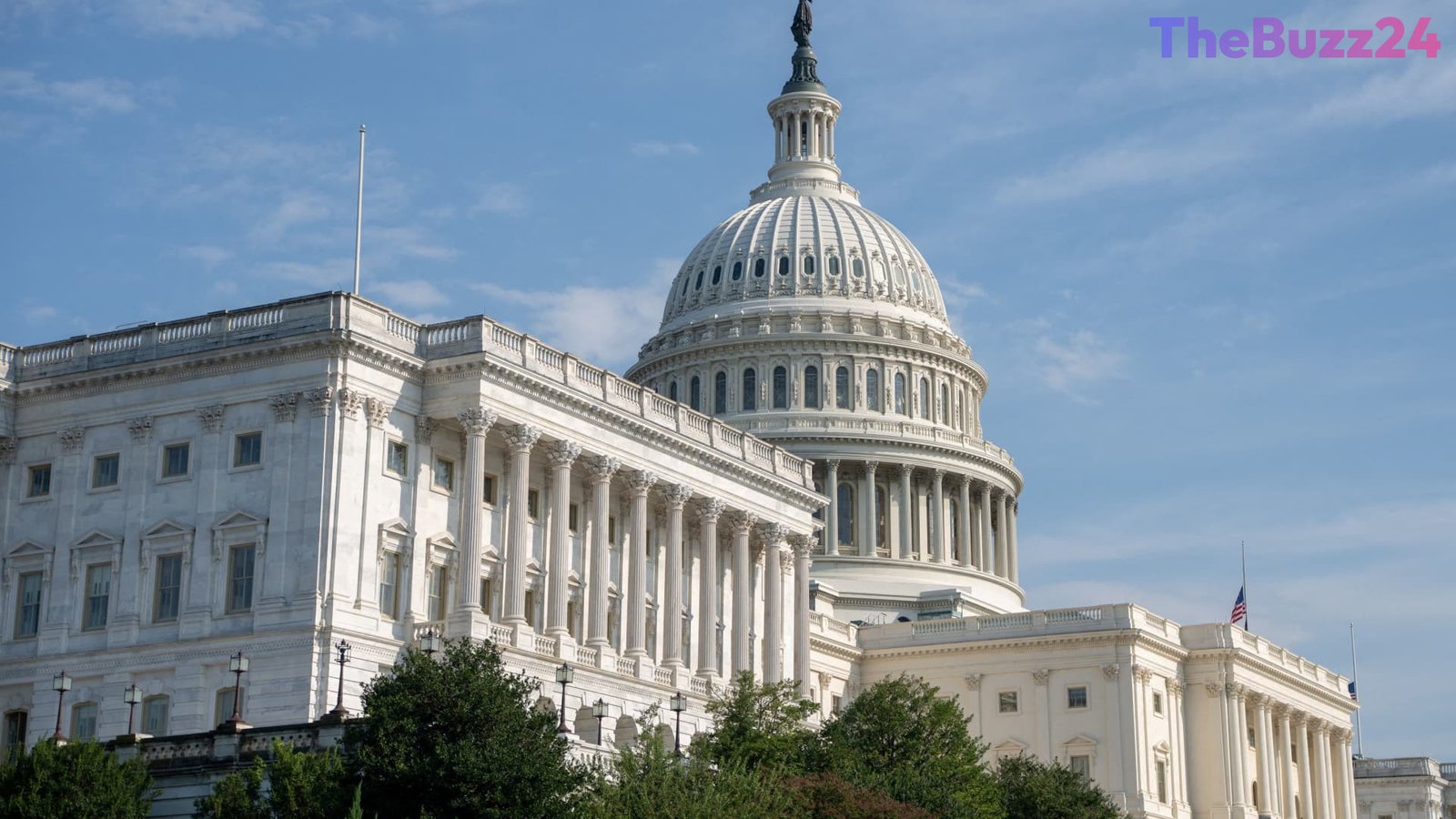
As lawmakers return to Washington for the final weeks of the legislative session, Congress confronts an urgent and crowded agenda, headlined by the critical need to avert a government shutdown before current funding lapses. With federal financing expiring in mid-December, members must quickly pass either a continuing resolution or a comprehensive package of appropriations bills to keep federal operations running smoothly.
Beyond government funding, the legislature faces pressure to address the National Defense Authorization Act, alongside potential debates on energy permitting reform and regulations surrounding college athlete compensation. However, the legislative landscape has shifted dramatically following recent midterms, resulting in a diminished majority for outgoing members and leaving incoming leadership with little incentive to strike long-term compromises.
Adding to the complexity of the lame-duck session are looming deadlines regarding the federal debt limit and contentious defense spending debates. With the national debt having recently surpassed historic thresholds, fiscal policy discussions remain deeply polarized. As lawmakers navigate attendance challenges and shifting political dynamics, the coming weeks will test the limits of bipartisanship before power transitions in the new year.
Key Takeaways
- Congress faces an immediate deadline to pass government funding legislation before current appropriations expire in December.
- Recent midterm election shifts have left Democrats with little incentive to compromise on major long-term fiscal deals during the lame-duck session.
- Key legislative items including the National Defense Authorization Act and energy permitting reforms remain contentious as lawmakers return to Washington.
Editor’s Analysis & Impact
The intersection of a looming government funding deadline, upcoming debt ceiling debates, and a shifting political majority creates a uniquely volatile legislative environment. As incoming leadership positions themselves for the next congressional term, bipartisan cooperation is expected to reach historic lows. This gridlock not only threatens routine appropriations and defense authorizations, but it also signals prolonged uncertainty for broader fiscal policy, infrastructure planning, and regulatory reforms. Markets will be closely monitoring how lawmakers manage these short-term fiscal cliffs, as any disruption in government funding or prolonged stalemates over the debt limit could introduce substantial macroeconomic volatility.
Frequently Asked Questions
Q: Why is the current congressional session facing a tight deadline?
A: Current government funding is set to expire in mid-December, requiring Congress to pass a continuing resolution or full-year appropriations bills to prevent a government shutdown.
Q: How do the recent midterm election results impact the legislative agenda?
A: The sweeping shift in congressional majorities has left incoming leaders with minimal incentive to negotiate major long-term compromises with their outgoing counterparts during the lame-duck session.
Q: What other major issues are on the table besides government funding?
A: Lawmakers are also considering the National Defense Authorization Act, energy construction permitting reform, and regulations regarding college athlete name, image, and likeness deals.
AI Disclosure: This article is based on verified data and official reports. Our Team and AI have cross-referenced every financial detail with primary sources to ensure total accuracy.
More from this Category