SpaceX IPO Expansion Hits Record-Breaking $85.7 Billion
SpaceX has solidified its position in financial history after its initial public offering was expanded to a staggering $85.7 billion. Underwriters for the offering exercised their full options to purchase additional shares, pushing the total capital raised well beyond the initial $75 billion target. This move further cements the company’s status as the largest IPO windfall ever recorded.
The influx of capital is earmarked for several strategic initiatives, including the significant reduction of debt. SpaceX intends to allocate approximately $20 billion to settle legacy loans associated with X, the social media platform formerly known as Twitter, and the artificial intelligence firm xAI. Both entities were integrated into the SpaceX corporate structure prior to the public offering.
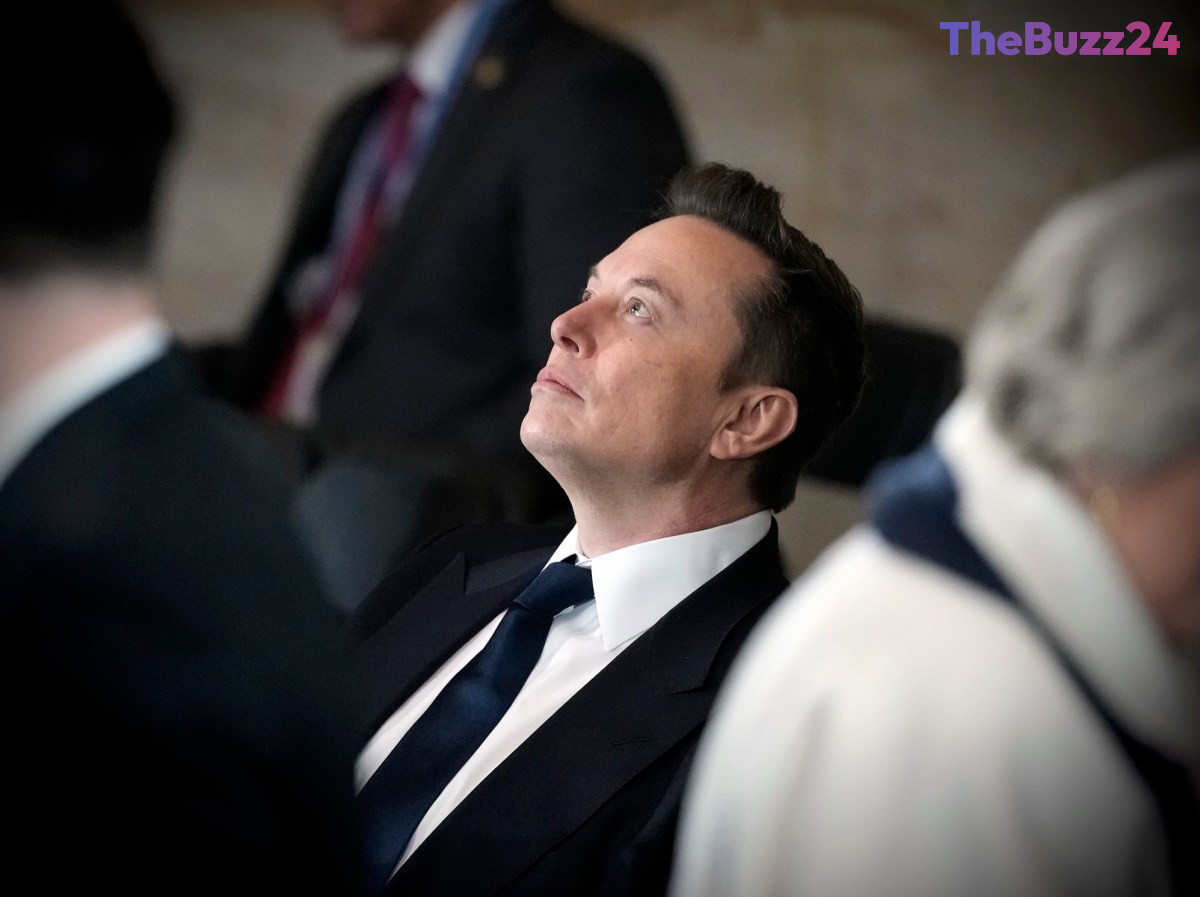
Beyond debt restructuring, the company plans to aggressively scale its technological capabilities. A substantial portion of the funds will be directed toward expanding AI compute infrastructure, upgrading launch facilities, and enhancing the global Starlink satellite network. Following its debut on the Nasdaq exchange, SpaceX saw its valuation soar past $2 trillion, a milestone that propelled Elon Musk to become the world’s first trillionaire. The stock’s continued momentum has already allowed the company to surpass the market valuation of major industry players like TSMC.
Key Takeaways
- SpaceX raised a record-breaking $85.7 billion through its IPO after underwriters exercised full options.
- The company plans to use $20 billion of the proceeds to pay down debt related to X and xAI.
- SpaceX reached a valuation exceeding $2 trillion, making Elon Musk the world's first trillionaire.
Editor’s Analysis & Impact
The successful public offering of SpaceX represents a watershed moment for both the aerospace and artificial intelligence sectors. By integrating social media and AI assets into a singular, massive corporate entity, SpaceX has created a unique conglomerate that bridges physical infrastructure with digital intelligence. The $2 trillion valuation signals immense investor confidence in the long-term viability of the space economy and the necessity of AI compute power. However, the decision to use IPO proceeds to clear debt from legacy acquisitions like X suggests a strategy of consolidating Musk’s various ventures into a more stable financial vehicle. Moving forward, the market will be watching closely to see if the company can maintain this growth trajectory while simultaneously managing the operational complexities of its diverse business units, particularly as it competes with global semiconductor giants in market capitalization.
Frequently Asked Questions
Q: How much capital did SpaceX ultimately raise in its IPO?
A: SpaceX raised a total of $85.7 billion after underwriters exercised their options to purchase the maximum amount of shares.
Q: What are the primary uses for the funds raised by SpaceX?
A: The funds will be used to pay off $20 billion in debt related to X and xAI, as well as to expand AI compute infrastructure, improve launch facilities, and enhance the Starlink network.
AI Disclosure: This article is based on verified data and official reports. Our Team and AI have cross-referenced every financial detail with primary sources to ensure total accuracy.
More from this Category