UK Unveils Sweeping Social Media Ban for Under-16s Amid Child Safety Push
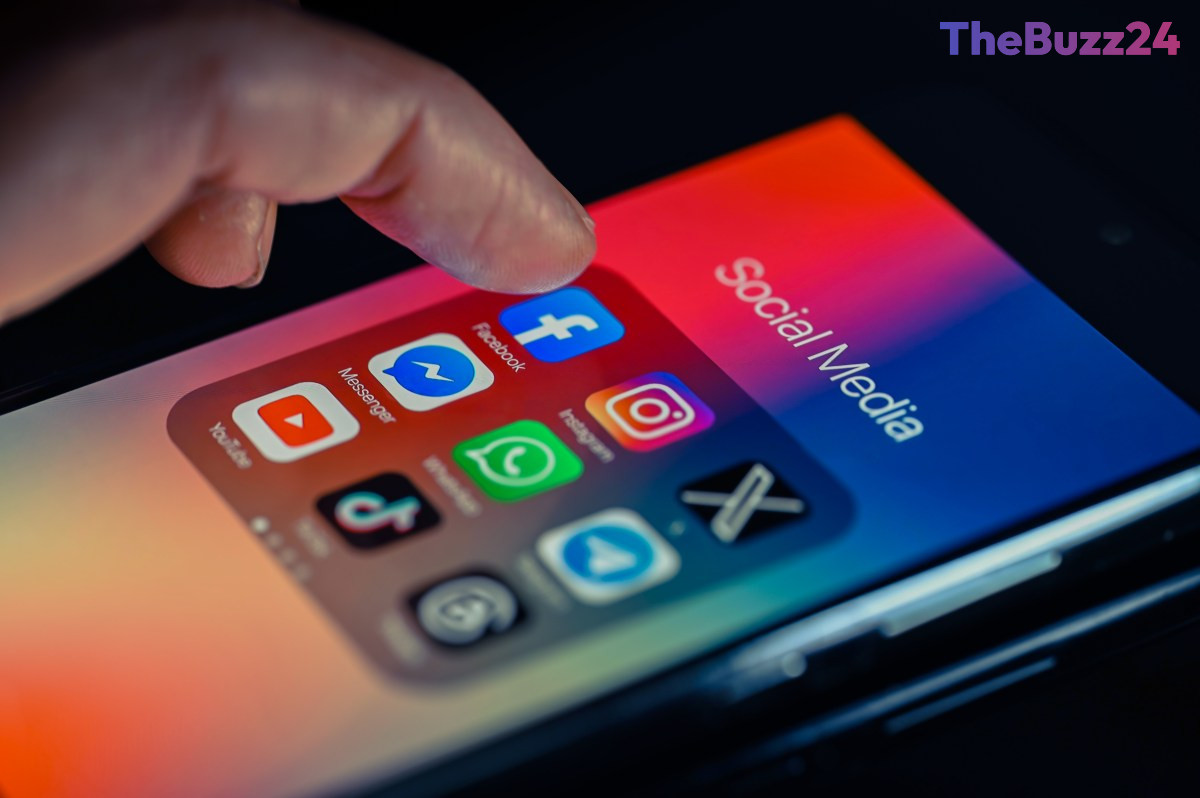
The United Kingdom is set to implement a landmark ban on social media use for children under the age of 16, a move announced by Prime Minister Keir Starmer. The proposed legislation, expected to take effect by next spring, targets a wide array of popular platforms including Snapchat, TikTok, YouTube, Instagram, Facebook, and X. Notably, private messaging services such as WhatsApp and Signal will not fall under the new restrictions. Additionally, the government plans to impose limitations on AI tools, specifically requiring “romantic companion” chatbots to be accessible only to individuals aged 18 and over.
This ambitious initiative is designed to empower parents and ensure children experience a healthier developmental period, free from the perceived harms of excessive online engagement. Prime Minister Starmer articulated the government’s rationale, stating that social media contributes to unhappiness among children, facilitates bullying, and exposes them to potentially dangerous content, all while being designed with addictive features like infinite scroll. These concerns are echoed by a recent government consultation, where over 83% of participating parents indicated that the risks of social media outweigh its benefits for children.
The UK’s proposed ban is described as more extensive than any similar measure globally, positioning Britain at the forefront of regulating online access for minors. While Australia was the first to introduce such a ban late last year, other nations like Canada, France, and Denmark are also in the process of developing their own restrictions. Despite some expert skepticism regarding the enforceability of a blanket ban, Starmer remains confident in the government’s ability to implement and uphold the new regulations, emphasizing the critical need to safeguard children’s mental health and encourage activities vital for their development, such as reading and outdoor play.
Key Takeaways
- The UK government plans to ban social media use for children under 16, encompassing major platforms like TikTok, Instagram, and Facebook.
- The initiative aims to protect children's mental health, combat online bullying, and address the addictive nature of social media, with a strong mandate from parental consultations.
- This proposed ban is positioned as the most comprehensive globally, setting a precedent for other countries considering similar measures to regulate minors' online access.
Editor’s Analysis & Impact
The UK’s proposed social media ban for under-16s represents a significant regulatory shift with profound implications for the technology industry and global policy. Social media companies will face immense pressure to develop robust age-verification technologies and potentially redesign their platforms to comply, impacting user acquisition strategies and advertising revenue in the UK market. This move could also catalyze a broader international trend, prompting other nations to adopt similar stringent regulations, thereby reshaping the global digital landscape for minors.
From a societal perspective, the ban highlights growing concerns about digital well-being and parental control in the digital age. While it aims to mitigate mental health risks and online harms, its enforceability and potential for creating a ‘digital divide’ among young people will be key challenges. The long-term outlook suggests a future where online platforms are increasingly scrutinized and regulated, forcing a re-evaluation of their design principles and ethical responsibilities towards younger users.
Frequently Asked Questions
Q: Which social media platforms will be affected by the proposed ban?
A: The proposed ban would apply to a range of social media platforms, including Snapchat, TikTok, YouTube, Instagram, Facebook, and X. Messaging services like WhatsApp and Signal are explicitly excluded from these restrictions.
Q: What is the primary motivation behind the UK government's decision to implement this ban?
A: The UK government's primary motivation is to protect children's mental health and well-being. Prime Minister Keir Starmer highlighted concerns about social media contributing to unhappiness, facilitating bullying, exposing children to dangerous content, and its inherently addictive design.
Q: When is the social media ban for under-16s expected to come into effect?
A: Prime Minister Keir Starmer has indicated that the government aims to have the ban in place by next spring, following the necessary legislative processes.
AI Disclosure: This article is based on verified data and official reports. Our Team and AI have cross-referenced every financial detail with primary sources to ensure total accuracy.
More from this Category