Trump Dismisses Rumors of U.S. Funding in Iran Peace Deal as G7 Summit Begins in France
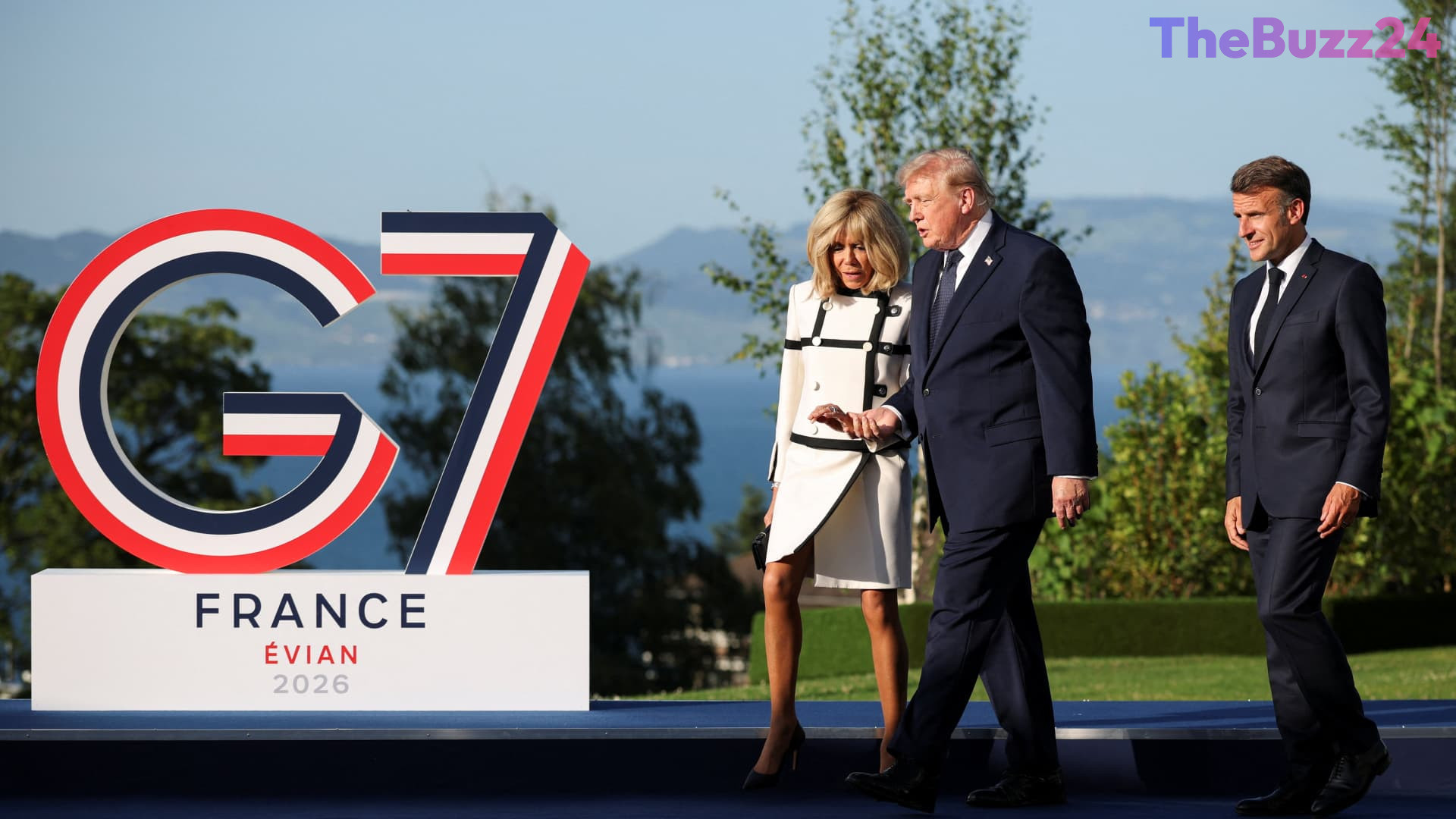
President Donald Trump has firmly denied that the United States will provide financial backing or investment to Iran following the recently signed peace agreement between Washington and Tehran. Speaking to reporters at the G7 summit in Evian, France, Trump dismissed rumors of a multi-billion dollar U.S. contribution to a proposed Iranian investment fund, labeling such reports as entirely unfounded. The clarification comes immediately after the announcement of a landmark Memorandum of Understanding aimed at ending hostilities in the Middle East.
The controversy arose following speculation that the peace terms included a $300 billion investment fund for Iran. While Vice President JD Vance previously suggested that such a fund could potentially be accessed by Tehran, he clarified that it would be financed by the Gulf Coast Coalition rather than American taxpayers, contingent on Iran fulfilling its diplomatic obligations. Trump reiterated that while the U.S. retains the right to engage in future initiatives, direct American capital is not part of the current agreement.
Beyond the Iranian peace deal, Trump addressed the broader security situation in the Middle East, expressing dissatisfaction with Israel’s military strategy in Lebanon. Despite maintaining a strong relationship with Israeli Prime Minister Benjamin Netanyahu, Trump urged the Israeli leader to act with greater responsibility, noting that Lebanon has suffered disproportionately and deserves stability. The comments highlight growing international pressure to secure a lasting ceasefire between Israel and Hezbollah.
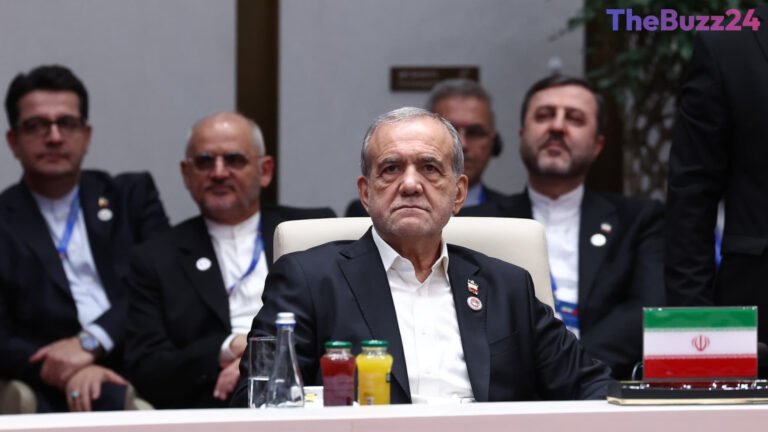
The geopolitical implications of the U.S.-Iran agreement are dominating discussions among G7 leaders in Evian. European officials, including European Commission President Ursula von der Leyen, have welcomed the diplomatic breakthrough but are pressing for concrete guarantees regarding the reopening of the critical Strait of Hormuz. Restoring unrestricted, toll-free navigation through the vital maritime corridor remains a top priority for global energy security and economic stability.
Key Takeaways
- President Trump clarified that the U.S. will not invest any taxpayer money into Iran under the new peace agreement, refuting rumors of a $300 billion U.S.-funded package.
- Trump criticized Israel's military actions in Lebanon, calling on Prime Minister Benjamin Netanyahu to show more responsibility toward protecting Lebanese stability.
- European leaders are leveraging the G7 summit to demand the immediate, toll-free reopening of the Strait of Hormuz to secure global energy transit routes.
Editor’s Analysis & Impact
The diplomatic breakthrough between the U.S. and Iran marks a potential watershed moment for global energy markets and Middle Eastern geopolitics. By clarifying that U.S. taxpayers will not fund the proposed $300 billion investment vehicle—shifting that potential responsibility to the Gulf Coast Coalition—the Trump administration is attempting to balance domestic fiscal conservatism with international peace-building. However, the true test of this agreement lies in its execution, particularly regarding the reopening of the Strait of Hormuz. As a vital chokepoint for global oil transit, any disruption or toll system in the Strait directly threatens global inflation and energy security. European leaders’ insistence on free navigation underscores the high stakes for Western economies. Furthermore, Trump’s public critique of Israel’s operations in Lebanon signals a shifting diplomatic dynamic, suggesting that future U.S. support may be increasingly contingent on regional de-escalation.
Frequently Asked Questions
Q: What is the nature of the U.S.-Iran agreement discussed at the G7?
A: The agreement is a Memorandum of Understanding aimed at ending active conflict in the Middle East. While details are emerging, it establishes a framework for peace without direct U.S. financial investment.
Q: How is the proposed $300 billion fund for Iran expected to be financed?
A: According to administration officials, any potential investment fund would be financed by the Gulf Coast Coalition, not the United States, and would be contingent on Iran adhering to its treaty obligations.
Q: Why is the Strait of Hormuz a major talking point at the G7 summit?
A: The Strait of Hormuz is one of the world's most critical maritime energy corridors. European leaders are demanding its immediate, toll-free reopening to secure global energy supplies and reduce economic vulnerability.
AI Disclosure: This article is based on verified data and official reports. Our Team and AI have cross-referenced every financial detail with primary sources to ensure total accuracy.
More from this Category