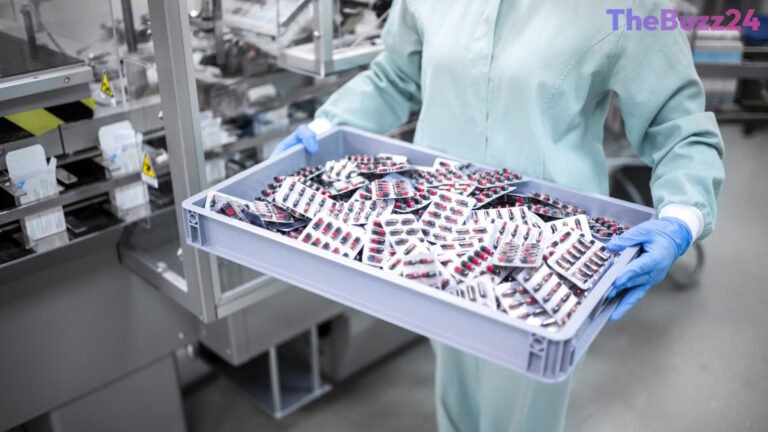
Big Pharma’s Deep Pockets Challenge the Biotech IPO Revival as M&A Dominates
The market for biotechnology initial public offerings is showing signs of life after a prolonged period of stagnation, but emerging firms are finding themselves at a critical crossroads. Rather than braving the public markets, many high-quality biotech startups are opting for a “dual-track” strategy. This approach involves preparing for an IPO while simultaneously negotiating potential buyout deals with cash-rich pharmaceutical giants. In many instances, promising companies are being acquired just as they prepare to list, highlighting a fierce competition for top-tier clinical assets.
This shift is largely driven by the looming “patent cliff” facing major pharmaceutical corporations. With several blockbuster drugs set to lose patent protection by the end of the decade and into the early 2030s, industry giants are under immense pressure to replenish their pipelines. Consequently, strategic buyers are deploying massive capital reserves to secure innovative therapies, particularly in high-demand sectors like oncology, metabolic disorders, and infectious diseases. Unlike the speculative boom of the pandemic era, however, today’s buyers and public investors are highly selective, focusing capital almost exclusively on “first-in-class” or “best-in-class” assets.
The scale of these transactions is also expanding, with upfront payments rising as pharmaceutical companies compete aggressively for validated technologies. Mid-to-large-scale acquisitions are outpacing previous years, moving beyond traditional small-scale “bolt-on” deals. For example, GSK’s recent $10.6 billion acquisition of oncology specialist Nuvalent underscores a growing willingness among major players to execute multi-billion-dollar transactions to secure priority pipelines. At the same time, global dynamics are shifting, with China emerging as a formidable hub of biotech innovation and capital, challenging the traditional dominance of Western markets.
Key Takeaways
- Biotech companies are increasingly pursuing dual-track processes, preparing for IPOs while actively entertaining buyout offers from major pharmaceutical firms.
- Big Pharma is aggressively deploying capital to acquire late-stage assets to offset upcoming patent expirations on major blockbuster drugs.
- Market capital is highly concentrated, with investors and buyers strictly targeting 'first-in-class' or 'best-in-class' clinical candidates rather than speculative technologies.
Editor’s Analysis & Impact
The current dynamics in the biotech sector represent a healthy maturation of the market following the hyper-inflated valuations of the pandemic era. While the reopening of the IPO window is a positive signal, the reality is that M&A remains the preferred exit strategy for high-caliber startups. Big Pharma’s impending patent cliffs are acting as a powerful catalyst, forcing legacy drugmakers to outsource innovation through acquisitions rather than relying solely on internal R&D. This trend is driving up deal sizes and upfront payments for premium assets, particularly in oncology and metabolic health. For investors, this creates a highly bifurcated landscape: top-tier companies with robust clinical data will command premium valuations and intense bidding wars, while early-stage or copycat platforms may struggle to secure funding. Ultimately, this consolidation will likely streamline drug development, bringing critical therapies to market faster under the stewardship of well-capitalized pharmaceutical giants.
Frequently Asked Questions
Q: What is a dual-track process in biotech?
A: A dual-track process is a financial strategy where a private company simultaneously prepares for an initial public offering (IPO) while exploring a potential sale or merger with an acquirer, allowing them to choose the most lucrative exit path.
Q: Why is Big Pharma acquiring so many biotech companies right now?
A: Major pharmaceutical companies are facing significant patent expirations on their top-selling drugs over the next decade. To maintain revenue growth, they are using their vast cash reserves to acquire innovative biotech startups with promising clinical pipelines.
Q: How does the current biotech market compare to the pandemic-era boom?
A: During the pandemic, capital was abundant and speculative, allowing many early-stage companies to go public. Today, the market is highly selective, with funding and acquisitions heavily concentrated on 'best-in-class' or 'first-in-class' assets with proven clinical potential.
AI Disclosure: This article is based on verified data and official reports. Our Team and AI have cross-referenced every financial detail with primary sources to ensure total accuracy.
More from this Category