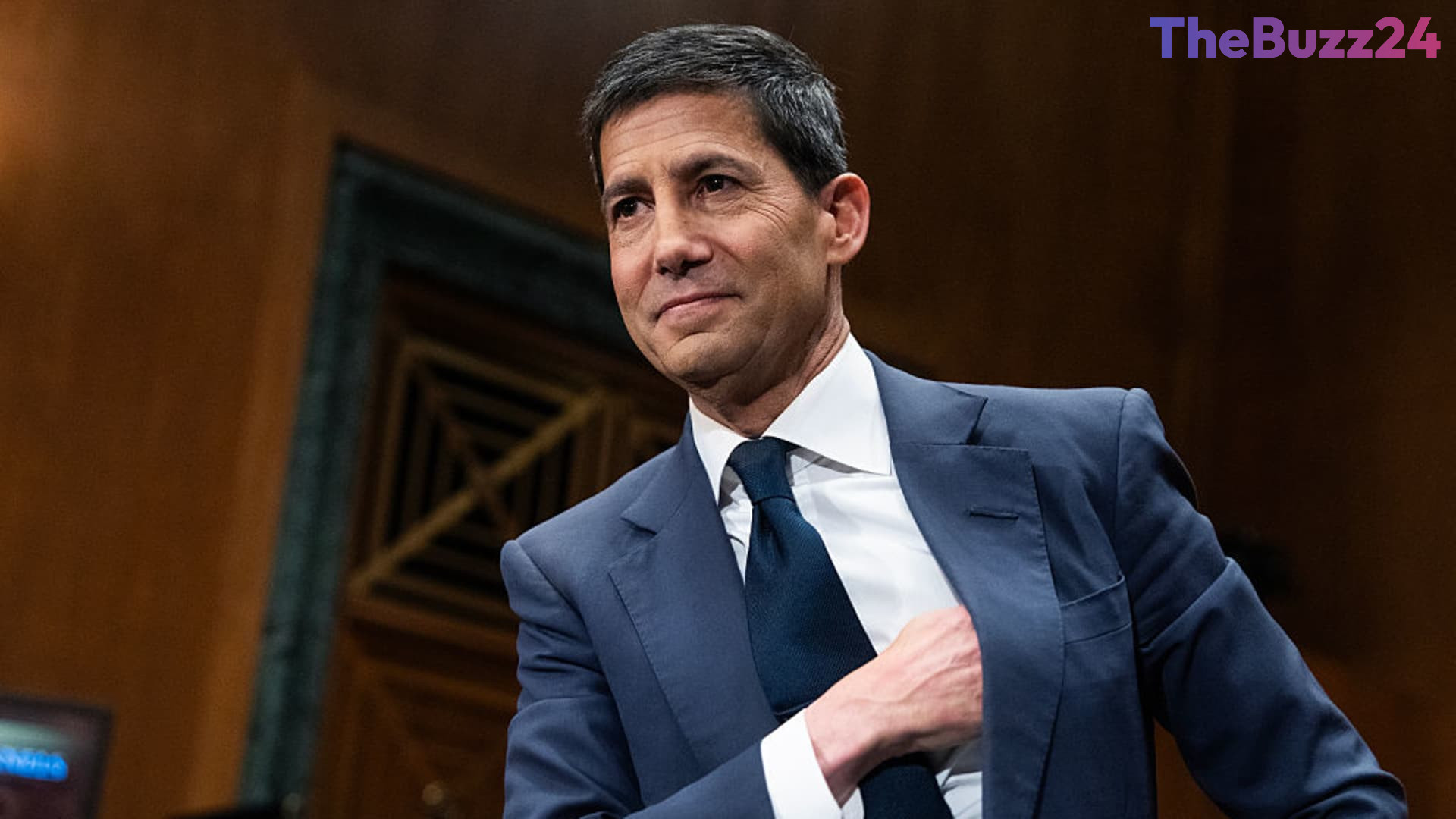
Fed Chair Kevin Warsh Signals Potential Shift Away from ‘Dot Plot’ Guidance
As the Federal Open Market Committee prepares to release its quarterly Summary of Economic Projections, market analysts are bracing for a potential departure from long-standing communication norms. New Federal Reserve Chair Kevin Warsh is widely expected to abstain from submitting his personal interest rate forecast, commonly known as the ‘dot plot.’ This move would mark a significant break from over a decade of post-financial crisis policy, signaling a potential shift in how the central bank manages market expectations.
Warsh has long been a vocal critic of the dot plot and other forms of forward guidance, arguing that such tools unnecessarily constrain the committee’s decision-making flexibility. During his confirmation process, he expressed concerns that the Fed’s tendency to over-communicate can lead to policy rigidity, citing the institution’s delayed response to inflationary pressures in 2021 as a primary example of the dangers of clinging to outdated forecasts. By withholding his own projections, Warsh aims to foster a more deliberative, meeting-by-meeting approach to monetary policy.
While some observers view this as a necessary evolution toward a more agile central bank, others warn of the potential for market volatility. The dot plot has become a cornerstone of how investors interpret the Fed’s stance on the economy. Critics of the potential change suggest that if the Chair and other committee members opt out of the process, it could create an information vacuum, potentially damaging the Fed’s credibility or leading markets to misinterpret the committee’s internal debates regarding inflation and interest rate trajectories.
Key Takeaways
- Fed Chair Kevin Warsh is expected to abstain from the 'dot plot' interest rate forecast, challenging a 14-year tradition of central bank transparency.
- Warsh argues that forward guidance limits the Fed's ability to react to real-time economic data and contributes to policy errors.
- Market analysts warn that removing or neutralizing the dot plot could lead to increased uncertainty and potential misinterpretation of the Fed's inflation-fighting stance.
Editor’s Analysis & Impact
The potential abandonment of the dot plot by Chair Kevin Warsh represents a fundamental shift in the Federal Reserve’s communication philosophy. For years, the Fed has prioritized transparency to anchor market expectations, but this approach has often backfired when economic conditions shift rapidly, leaving the central bank trapped by its own previous projections. By moving toward a more discretionary, meeting-by-meeting framework, Warsh is attempting to restore the Fed’s agility. However, the market’s reliance on these signals is profound. If the Fed successfully pivots away from forward guidance, it will force investors to rely more heavily on incoming macroeconomic data rather than Fed-provided roadmaps. While this could reduce the ‘noise’ of quarterly projections, it risks creating a period of heightened volatility as the market adjusts to a less predictable central bank.
Frequently Asked Questions
Q: What is the 'dot plot'?
A: The dot plot is a chart released quarterly by the Federal Reserve that shows the individual interest rate projections of each FOMC member for the coming years, providing a visual representation of the committee's collective outlook.
Q: Why does Kevin Warsh oppose the dot plot?
A: Warsh believes that the dot plot and other forms of forward guidance limit the Fed's decision-making capabilities and cause the institution to hold onto forecasts longer than they should, which can lead to policy errors.
AI Disclosure: This article is based on verified data and official reports. Our Team and AI have cross-referenced every financial detail with primary sources to ensure total accuracy.
More from this Category