AI Compute Power Poised to Become New Traded Commodity, Rivaling Oil Futures
A nascent effort is underway to transform the computational power essential for artificial intelligence into a financial instrument, mirroring the futures markets that have long managed uncertainty in sectors like energy and agriculture. Silicon Data, a firm specializing in tracking cloud provider and GPU marketplace pricing, has joined forces with CME Group to introduce what could be the world’s first futures contracts specifically designed for AI computing power. These contracts aim to provide businesses with a mechanism to hedge against the unpredictable costs associated with training and operating AI models, though they await regulatory approval.
The potential for this new market is already attracting significant attention from investors. Within days of Silicon Data’s announcement, asset managers like ProShares and Rex Shares submitted proposals for exchange-traded funds (ETFs) linked to these prospective contracts, including offerings with leveraged and inverse strategies. Carmen Li, founder and CEO of Silicon Data, expressed a bold vision, suggesting that this market could eventually eclipse the scale of established commodity markets, including oil futures. Li anticipates that the energy demands of AI will eventually surpass all other energy consumption combined.
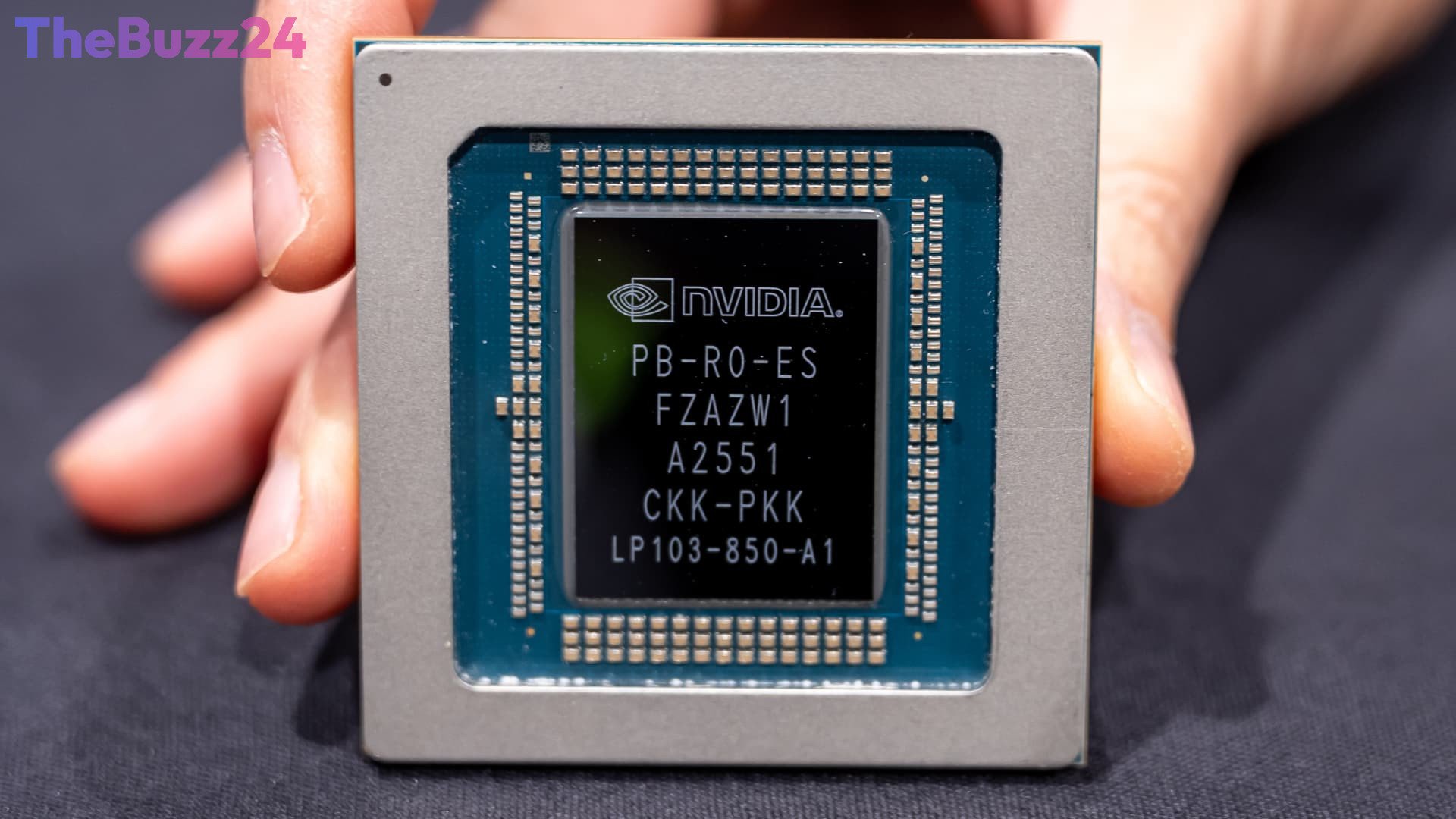
The fundamental concept draws a parallel between a company’s reliance on AI compute and an airline’s dependence on jet fuel. Most organizations do not possess the specialized high-end graphics processing units (GPUs) required for advanced AI; instead, they lease access through cloud services and emerging “neoclouds.” As the demand for AI infrastructure escalates, the cost of this compute power becomes volatile, complicating financial planning for businesses. This uncertainty affects not only users but also suppliers of compute power and GPU manufacturers, who struggle to gauge future production needs.
Silicon Data has developed a suite of GPU price indexes to monitor the hourly rental costs of specific chips across various providers. These benchmarks are intended to form the bedrock of the futures market, akin to how West Texas Intermediate crude oil underpins energy derivatives. The compute contracts would serve both hedgers, who seek protection against rising costs, and capacity providers, who aim to mitigate the risk of price declines. The company’s data has already gained traction, with SpaceX referencing Silicon Data’s GPU rental rate information in its public offering prospectus. The influx of speculators, who trade based on price expectations rather than direct compute needs, is also anticipated, mirroring dynamics in other futures markets and potentially enhancing liquidity and price discovery.
Key Takeaways
- A new financial market is being developed to trade futures contracts based on the computational power required for AI.
- The initiative aims to help companies hedge against fluctuating AI compute costs, similar to how fuel costs are managed in the airline industry.
- Early investor interest is evident with proposals for ETFs, suggesting AI compute is being viewed as a distinct tradable asset class.
Editor’s Analysis & Impact
The emergence of AI compute power as a potential futures commodity marks a significant evolution in financial markets, reflecting the escalating importance and cost of AI infrastructure. By creating a mechanism for hedging and speculation, this initiative could bring much-needed price stability and predictability to a rapidly growing sector. However, challenges remain in standardizing the diverse nature of AI compute and ensuring regulatory clarity. If successful, it could unlock new investment opportunities and fundamentally alter how businesses manage their AI-related expenses, potentially creating a market as influential as oil futures and highlighting the immense economic value embedded in AI’s foundational resources.
Frequently Asked Questions
Q: What is the main goal of creating futures contracts for AI computing power?
A: The primary goal is to allow companies that rely heavily on AI compute power to hedge against unpredictable fluctuations in its cost, similar to how airlines hedge against fuel price volatility.
Q: Why is AI computing power being compared to a commodity like oil?
A: The comparison is drawn because AI compute power is a fundamental, high-demand resource essential for modern technology, much like oil is for energy and transportation. Its cost can fluctuate significantly, making it a candidate for financial hedging and trading.
Q: What are the challenges in creating a futures market for AI compute?
A: A major challenge is the lack of standardization. Unlike a physical commodity like oil, AI compute power varies greatly in terms of hardware configurations, performance, and availability across different providers. Defining a single, reliable benchmark that accurately represents these variations is complex and requires regulatory scrutiny.
AI Disclosure: This article is based on verified data and official reports. Our Team and AI have cross-referenced every financial detail with primary sources to ensure total accuracy.
More from this Category